

TL;DR
What RingConn Announced: Blood Pressure on Your Finger
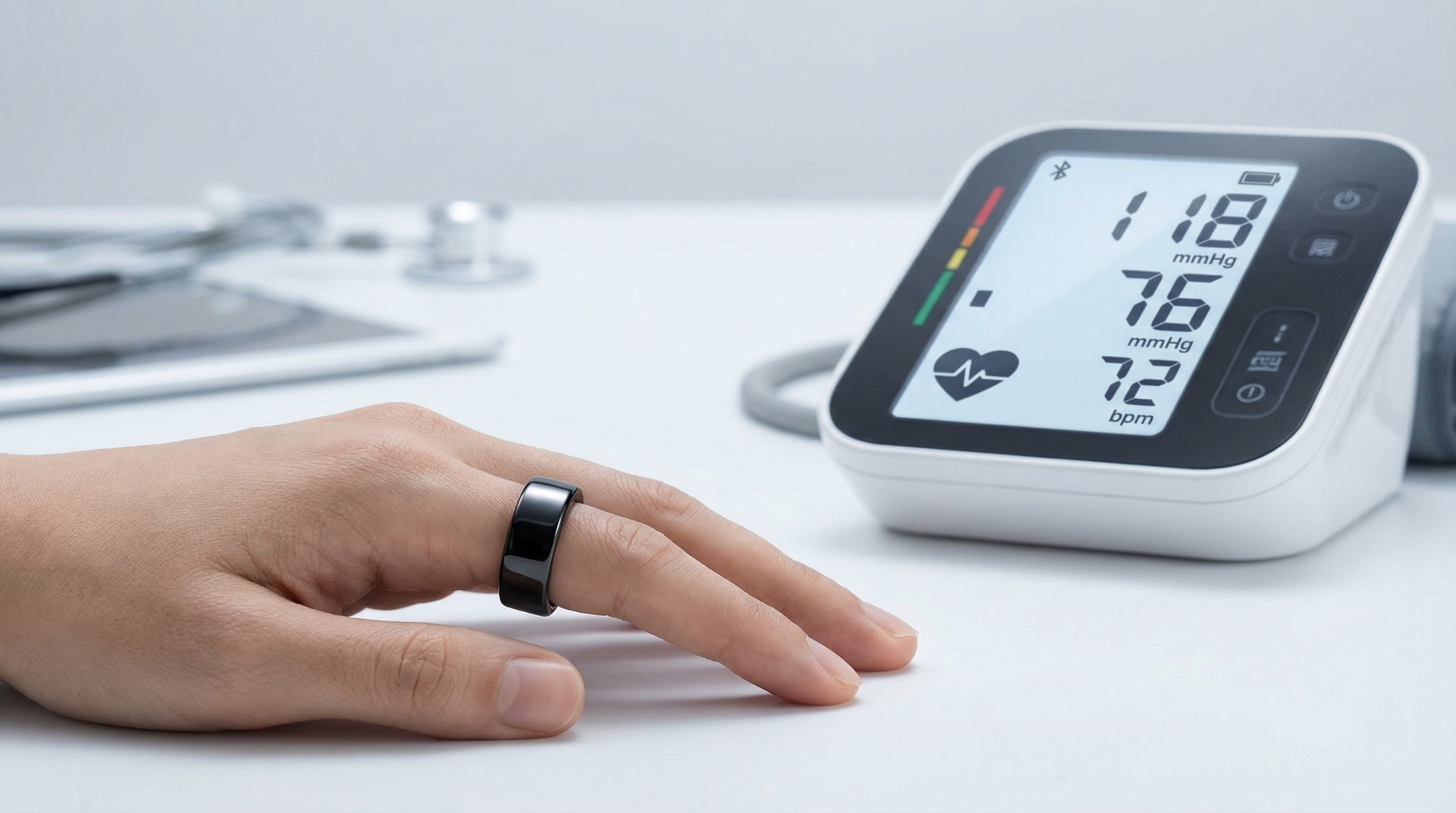
At IFA Berlin 2025, RingConn showed something the wearable industry has been chasing for years: a working demo of cuff-less blood pressure tracking in a smart ring. For a company with over 250,000 users worldwide, this was a milestone moment.
The concept is straightforward. Wear the ring, add readings from a standard arm cuff if you choose (RingConn calls these inputs optional), and receive daily blood pressure insights without needing to strap anything to your arm. The ring uses its optical heart rate sensor, SpO2 sensor, and skin temperature sensor to estimate blood pressure patterns throughout the day and night.
This matters because high blood pressure affects over 1.1 billion people worldwide, according to the World Health Organization. Fewer than 20% of those people keep it under control. One reason: traditional cuff measurements are inconvenient. You only get a snapshot at the doctor's office or when you remember to check at home. A smart ring changes that equation entirely.
How RingConn Blood Pressure Tracking Works
The Calibration Process
RingConn does not claim to replace your cuff. Instead, it works alongside it. Here is the process:
- Initial calibration (optional): Take readings with a validated arm cuff monitor while wearing your RingConn. RingConn recommends three in the first 24 hours. The ring syncs the cuff readings with its own sensor data to establish a personal baseline.
- Daily monitoring: The ring continuously tracks your blood pressure trends using pulse wave analysis from its optical sensors.
- Monthly recalibration (recommended): RingConn suggests repeating the cuff readings monthly to keep the baseline accurate as your body changes.
This hybrid approach is practical. It gives you the convenience of passive tracking while anchoring the data to clinical-grade measurements. Other companies, including Oura, Samsung, and even Apple, are exploring similar methods. RingConn was among the first to show consumers a working demo, and the Gen 3 now ships with the feature.
What the Ring Actually Detects
The Blood Pressure Insights feature tracks trends and patterns rather than exact mmHg readings. This distinction is important. The ring can help you see:
- Gradual blood pressure increases over weeks or months
- Nighttime blood pressure changes (nocturnal dipping or non-dipping patterns)
- White-coat hypertension patterns, where readings spike in clinical settings but stay normal at home
- The impact of lifestyle changes like exercise, diet adjustments, or stress management
If you have been diagnosed with white-coat hypertension or want to understand how your blood pressure behaves outside the doctor's office, this kind of continuous monitoring is genuinely useful.
RingConn Gen 3: The Full Picture at CES 2026
Just a few months after the IFA demo, RingConn took things further at CES 2026 in January. The company announced the Gen 3 smart ring, which makes blood pressure insights a core feature rather than an experimental add-on. Pre-orders opened on May 5, 2026, and the ring went on sale worldwide on May 29, 2026.
Key Gen 3 Specs and Features
- Blood pressure insights: Included at launch as Vascular Health Insights, building on the IFA 2025 demo
- Haptic vibration alerts: A built-in motor delivers health alerts, inactivity reminders, and low-battery reminders directly to your finger. No other major smart ring offers this yet.
- Titanium construction: Five finishes including Brushed Silver, Brushed Rose Gold, Royal Gold, Matte Black, and Polished Future Silver
- 10 sizes: US 6 through 15, up from 9 sizes on Gen 2
- Two-week battery life: Up to 14 days per charge (10 to 12 days with vibration alerts on), up from 12 days on the Gen 2
- No subscription fees: All health data, insights, and features included at no ongoing cost
- Price: From $349 in the US, or $369 for the two brushed finishes
The haptic feedback is a standout addition. Previously, RingConn users relied entirely on their phone for notifications. With Gen 3, you get a gentle vibration on your finger when something needs attention. Think of it as your health tapping you on the shoulder.
How RingConn Compares to Other Smart Rings
The smart ring market is heating up fast. Here is how RingConn stacks up against the major players (for the full field of smartwatches and rings, see our guide to wearable blood pressure monitors):
RingConn vs Oura Ring 4
Oura is the most established smart ring brand. It offers excellent sleep tracking, heart rate, HRV, temperature, and SpO2 monitoring. However, Oura charges $5.99 per month for full data access. Over two years, that adds $144 on top of the $349 ring price. Oura's Blood Pressure Signals, added in 2026, flags nighttime patterns without mmHg readings. The Blood Pressure Profile Study that Oura ran in its Oura Labs beta ended in August 2026.
RingConn Gen 3 matches most of Oura's tracking features, including blood pressure insights, and adds haptic alerts. It starts at the same $349 and charges no subscription. For blood pressure insights without a subscription, RingConn is the cheaper option.
RingConn vs Samsung Galaxy Ring
Samsung's Galaxy Ring offers tight integration with Samsung phones and the Samsung Health ecosystem. It does not currently offer blood pressure tracking in the ring itself, though Samsung's Galaxy Watch has had a blood pressure feature in select markets. The Galaxy Ring costs around $399 with no subscription.
RingConn vs Apple Watch for Blood Pressure
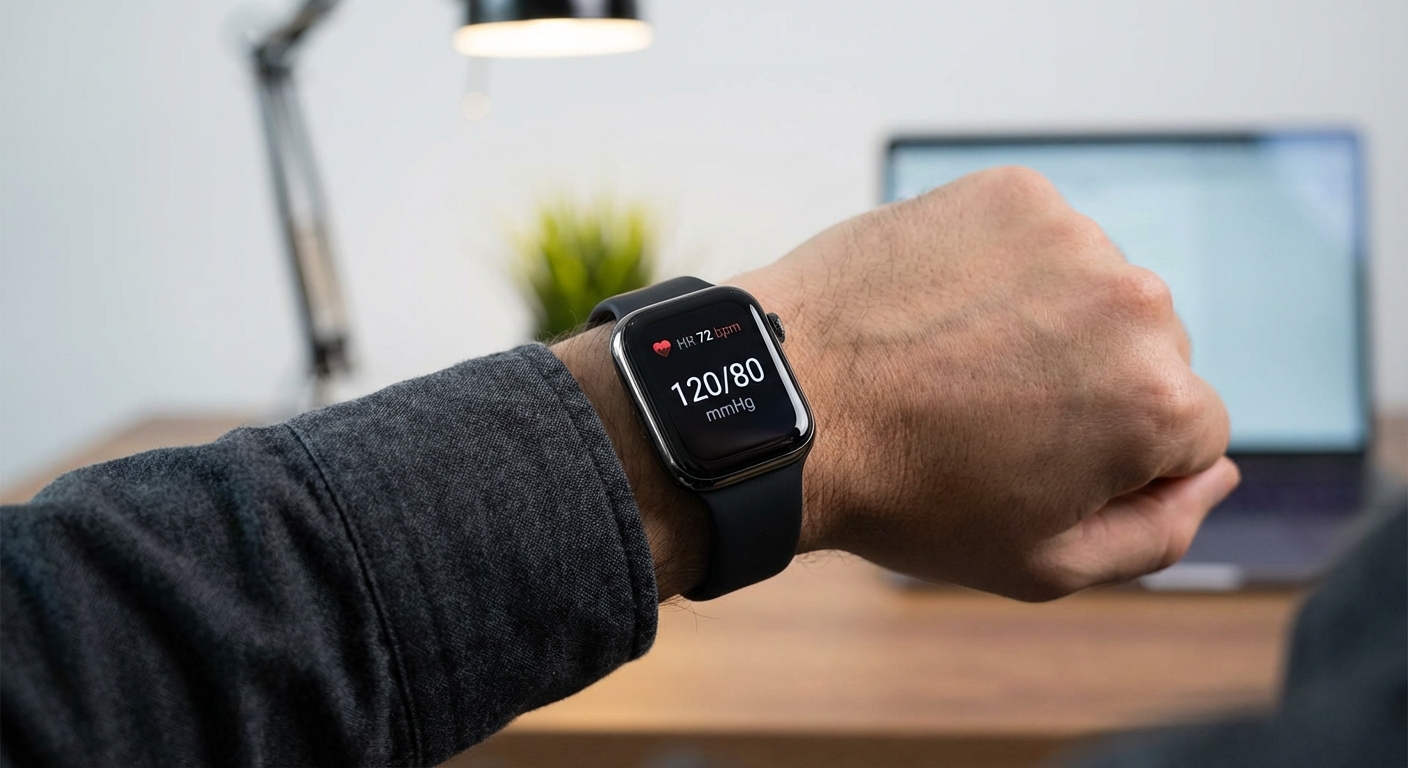
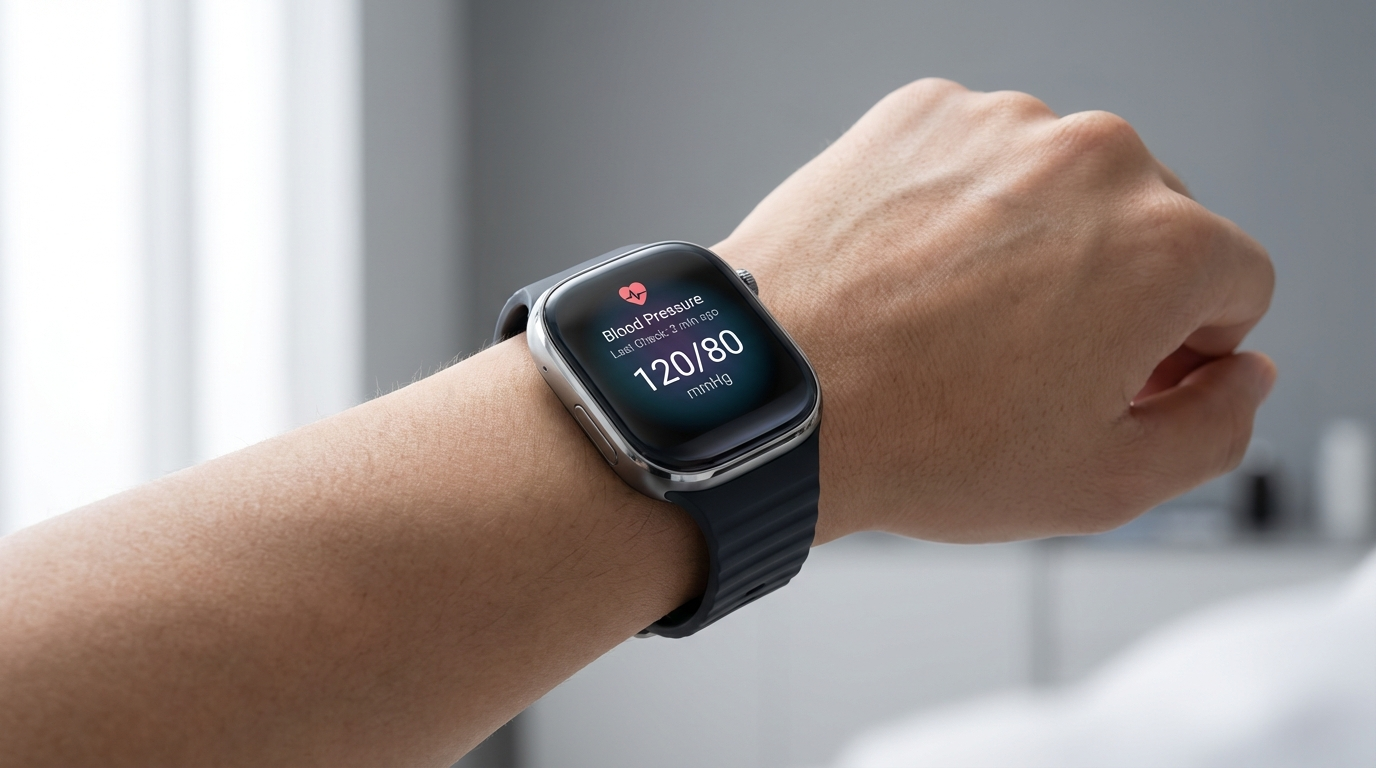
Apple Watch takes a different approach. Its hypertension detection feature analyzes heart sensor data over 30 days and sends an alert if it detects patterns consistent with elevated blood pressure. It does not provide the daily blood pressure trend insights that RingConn does.
For people who want more frequent, granular blood pressure tracking without a bulky wrist device, a smart ring is a compelling alternative. The form factor is lighter, more comfortable during sleep, and less intrusive in daily life.
Why Continuous Blood Pressure Monitoring Matters
A single blood pressure reading at the doctor's office tells you very little. Blood pressure fluctuates throughout the day based on activity, stress, food, sleep, and dozens of other factors. Understanding how blood pressure is measured helps explain why one number at one moment is not the full picture.
Research published in the European Heart Journal has shown that nighttime blood pressure is a stronger predictor of cardiovascular events than daytime readings. Most people never measure their blood pressure at night because cuff monitors are uncomfortable to sleep in. A smart ring solves this problem entirely.
Continuous monitoring also helps track how well treatments are working. If your doctor starts you on blood pressure medication, daily trend data shows whether the medication is effective, whether the dosage needs adjusting, and how your readings respond to lifestyle changes like dietary improvements or the DASH diet.
Limitations You Should Know
Smart ring blood pressure tracking is promising, but it is early. Keep these points in mind:
- RingConn blood pressure insights are not FDA-cleared medical devices. Do not use them to make medication decisions.
- The feature tracks trends, not exact mmHg numbers. You still need periodic cuff readings for clinical accuracy.
- Sensor accuracy can vary with ring fit, skin tone, temperature, and movement. Proper sizing is critical.
- Cuff readings are optional, though RingConn recommends adding them monthly for better accuracy.
- Published accuracy studies are limited. The technology is still maturing across the entire wearable industry.
Important
What This Means for Everyday Health Tracking
The bigger picture here is that blood pressure monitoring is moving from a clinical event to an everyday habit. Companies like RingConn, Apple, Samsung, and Oura are all working toward the same goal: making it easy to understand your cardiovascular health without scheduling a doctor visit.
For people who track their blood pressure readings by age, use a blood pressure log, or manage conditions like white-coat syndrome, a smart ring adds a new layer of data that fills in the gaps between cuff readings.
The ideal setup in 2026 is a combination: a validated cuff monitor for periodic baseline readings, a smart ring or watch for continuous trend tracking, and a health app like Cardilog to bring all your data together in one place. That combination gives you and your doctor a complete picture rather than isolated snapshots.
Try RingConn with Cardilog: Join the Trial
We are exploring how smart ring blood pressure data can work alongside traditional cuff monitoring and AI-powered health insights. If you own a RingConn smart ring or are interested in testing one, we would love to hear from you.
Interested in Joining?
Whether you use a cuff, a smart ring, an Apple Watch, or all three, the most important step is tracking consistently. The more data you have, the better you and your healthcare provider can manage your cardiovascular health.