
Your doctor cannot treat what they cannot see. A blood pressure log turns isolated readings into a story about your cardiovascular health over time. It reveals patterns, tracks the effect of medication and lifestyle changes, and gives your healthcare team the context they need to make better decisions. This guide explains exactly how to build and maintain one.
Why a Blood Pressure Log Matters
A single blood pressure reading is a snapshot. It tells you where your numbers were at one moment under specific conditions. It does not tell you whether your readings are consistently high, trending upward, spiking at a particular time of day, or responding to treatment.
A log built from consistent daily readings shows all of that. Research consistently shows that home blood pressure monitoring, when logged and shared with a doctor, leads to better blood pressure control than clinic-only readings.
- Eliminates white coat syndrome: Many people have higher blood pressure in a clinical setting due to anxiety. A home log reflects your true resting baseline.
- Reveals masked hypertension: Some people have normal clinic readings but consistently high readings at home. Only a log exposes this pattern.
- Tracks medication effectiveness: Your log shows whether a new prescription or dose adjustment is working as expected.
- Identifies lifestyle triggers: Patterns tied to poor sleep, high sodium intake, alcohol, or stress become visible across a week or month of data.
- Improves doctor appointments: Bringing a complete log to an appointment replaces guesswork with data. Your doctor can make faster, more accurate decisions.
What to Record in Every Log Entry
A useful blood pressure log entry contains more than just two numbers. The more context you capture, the more meaningful the data becomes.
| Field | Why It Matters |
|---|---|
| Date | Tracks changes over time and ties readings to events. |
| Time of day | Morning and evening readings differ. Time context is essential. |
| Systolic (top number) | Primary indicator of arterial pressure. Required. |
| Diastolic (bottom number) | Resting pressure between beats. Required. |
| Pulse (heart rate) | Adds cardiovascular context. Many monitors record this automatically. |
| Which arm | Readings can differ between arms. Note which arm you use consistently. |
| Medication taken | Shows whether medication was taken before or after the reading. |
| Exercise in the last hour | Exercise raises BP temporarily. Flagging this prevents misinterpretation. |
| Stress or emotional state | Acute stress raises readings. Useful to note for pattern analysis. |
| Sleep quality the night before | Poor sleep is closely linked to elevated blood pressure. |
| Notes | Anything else relevant: illness, travel, alcohol, large meals. |
Less Is Fine at First
How Often to Take and Log Readings
Daily Home Monitoring
The American Heart Association recommends measuring twice daily for home monitoring:
- Morning reading: before taking any medication, before eating or drinking coffee, ideally 30 minutes after waking.
- Evening reading: before dinner, after at least five minutes of rest.
- At each session, take two readings one minute apart and log the average of the two.
Before a Doctor Appointment
For a routine check-up, aim to bring at least seven days of consistent twice-daily readings. Two weeks of data is better. Avoid skipping days in the days leading up to an appointment, as the gap in the log reduces the clinical value of the data.
When Managing a Diagnosis
If you have been diagnosed with hypertension or have started a new medication, your doctor may ask you to monitor more frequently. In some cases, three or four readings per day over a specific period helps assess treatment response. Follow your doctor's guidance on monitoring frequency during active management.
Paper Log Versus Digital App: Which Is Better?
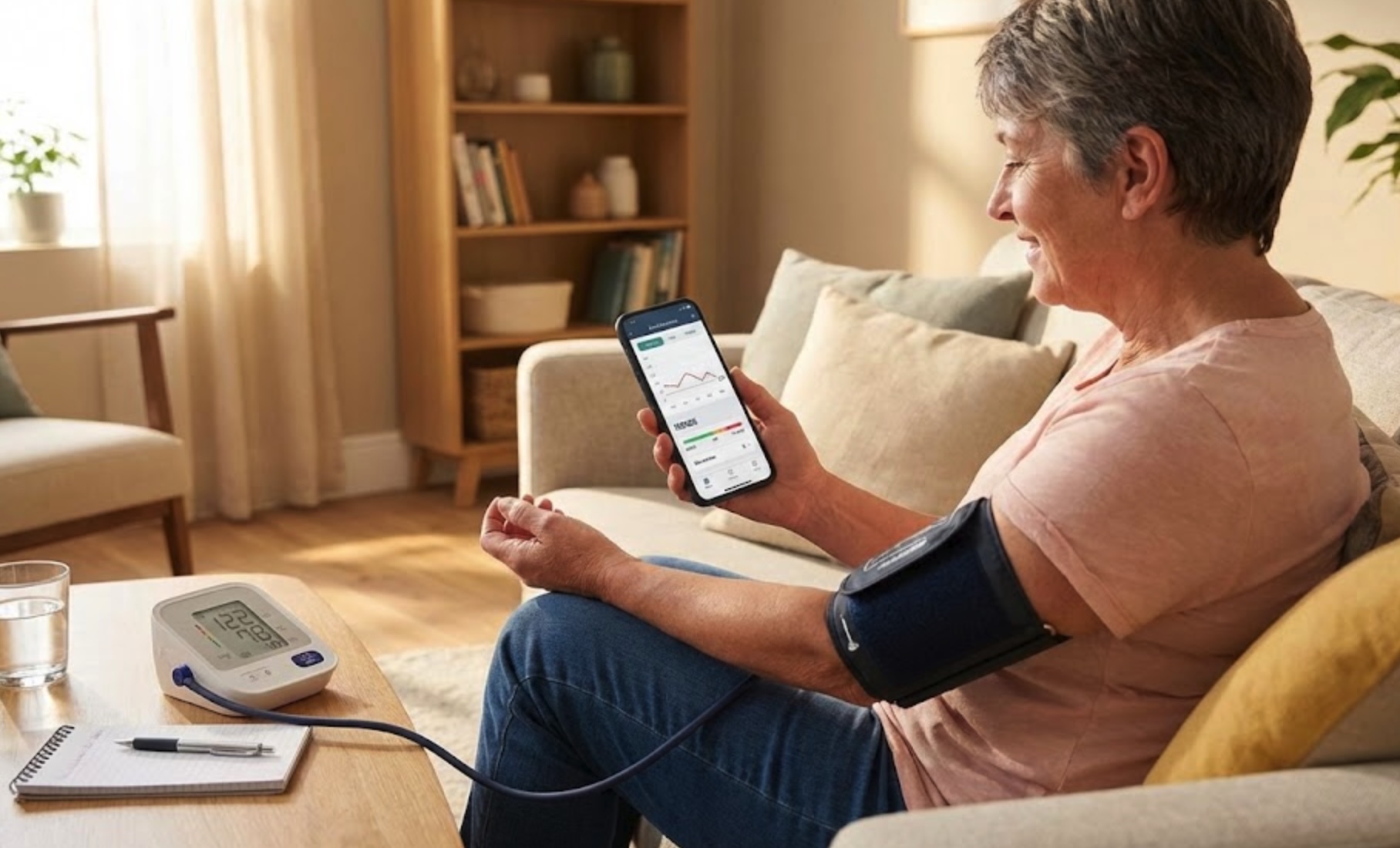
Both work. A paper log captures the numbers — download our free printable blood pressure log PDF if you prefer pen and paper. A digital app does much more.
| Feature | Paper Log | Digital App |
|---|---|---|
| Records readings | Yes | Yes |
| Calculates averages automatically | No - manual calculation | Yes |
| Generates trend charts | No | Yes |
| Flags abnormal readings | No | Yes |
| Syncs with Apple Health or wearables | No | Yes |
| Shareable PDF report for doctor | No - you copy by hand | Yes |
| Context tagging (sleep, stress, meds) | Free text only | Structured tags |
| Long-term storage | Risk of loss or damage | Cloud backup |
| Accessible anywhere | Only when you have the log | Yes, on any device |
Log and Share with Cardilog
Reading Your Own Log: What to Look For
Once you have a week or more of data, look for these patterns:
Your Average Readings
Calculate or view the average of all your readings over the past week. This average is more clinically meaningful than any single reading. An average above 130/80 mmHg suggests hypertension that warrants medical attention.
Morning Versus Evening Differences
Many people have a morning surge, where readings are higher immediately after waking. If your morning readings are consistently much higher than your evening readings, share this with your doctor. It is a known cardiovascular risk factor.
Day-to-Day Variability
Some variation in blood pressure across days is normal. Very high day-to-day variability (swings of 20 mmHg or more in systolic pressure) can be a sign of underlying cardiovascular risk and is worth flagging.
Response to Context Tags
If readings on high-stress days are consistently 10 to 15 mmHg higher than calm days, that is actionable data. Similarly, if readings after exercise are lower the following morning, that supports the benefit of physical activity for your specific cardiovascular system.
How to Share Your Blood Pressure Log with Your Doctor
The most effective format for sharing your log is a summary that shows averages, trends, and flagged outliers rather than a raw list of every reading. A well-presented log helps your doctor draw conclusions quickly.
- Include at least seven days of readings, ideally two weeks.
- Highlight your morning and evening averages separately.
- Flag any readings above 180/120 or below 90/60.
- Note any recent changes to medication, diet, or exercise.
- Use a formatted PDF if possible, rather than showing your phone screen.
What Doctors Look For in a Blood Pressure Log
Common Logging Mistakes to Avoid
- Measuring immediately after activity: Always wait at least 30 minutes after exercise before taking a resting reading.
- Inconsistent timing: Logging at random times throughout the day makes it hard to identify patterns. Stick to morning and evening.
- Only logging when readings look bad: Selective logging creates a distorted picture. Log every session regardless of the result.
- Different arms without noting it: Readings can differ by 5 to 10 mmHg between arms. Always note which arm you use and try to use the same arm consistently.
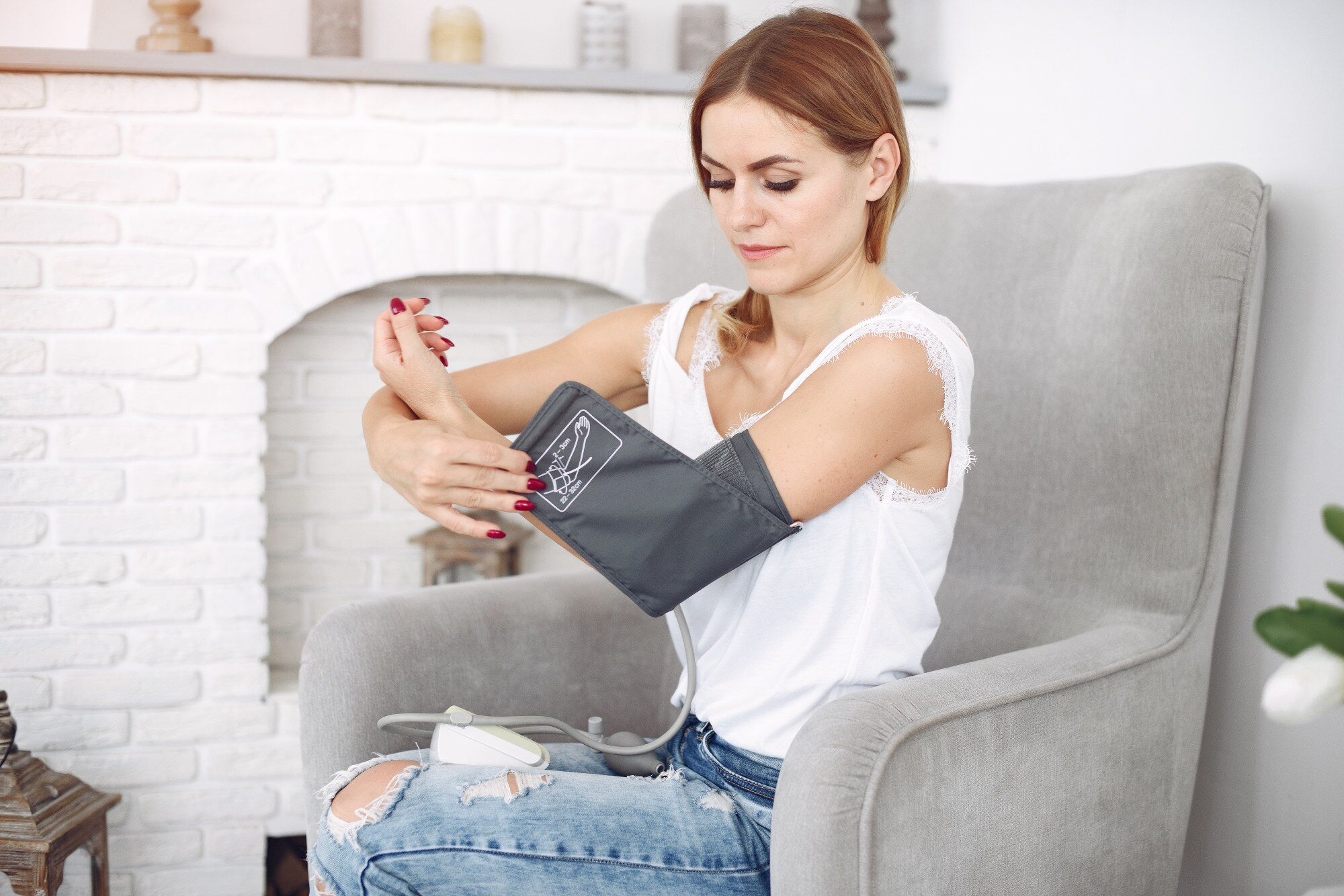
- Measuring over clothing: Always place the cuff on bare skin. Measuring over a sleeve can add 5 to 50 mmHg to a reading.
- Skipping rest before measuring: Sit quietly for at least five minutes before taking a reading. Rushing directly from activity to measurement produces consistently inflated results.