
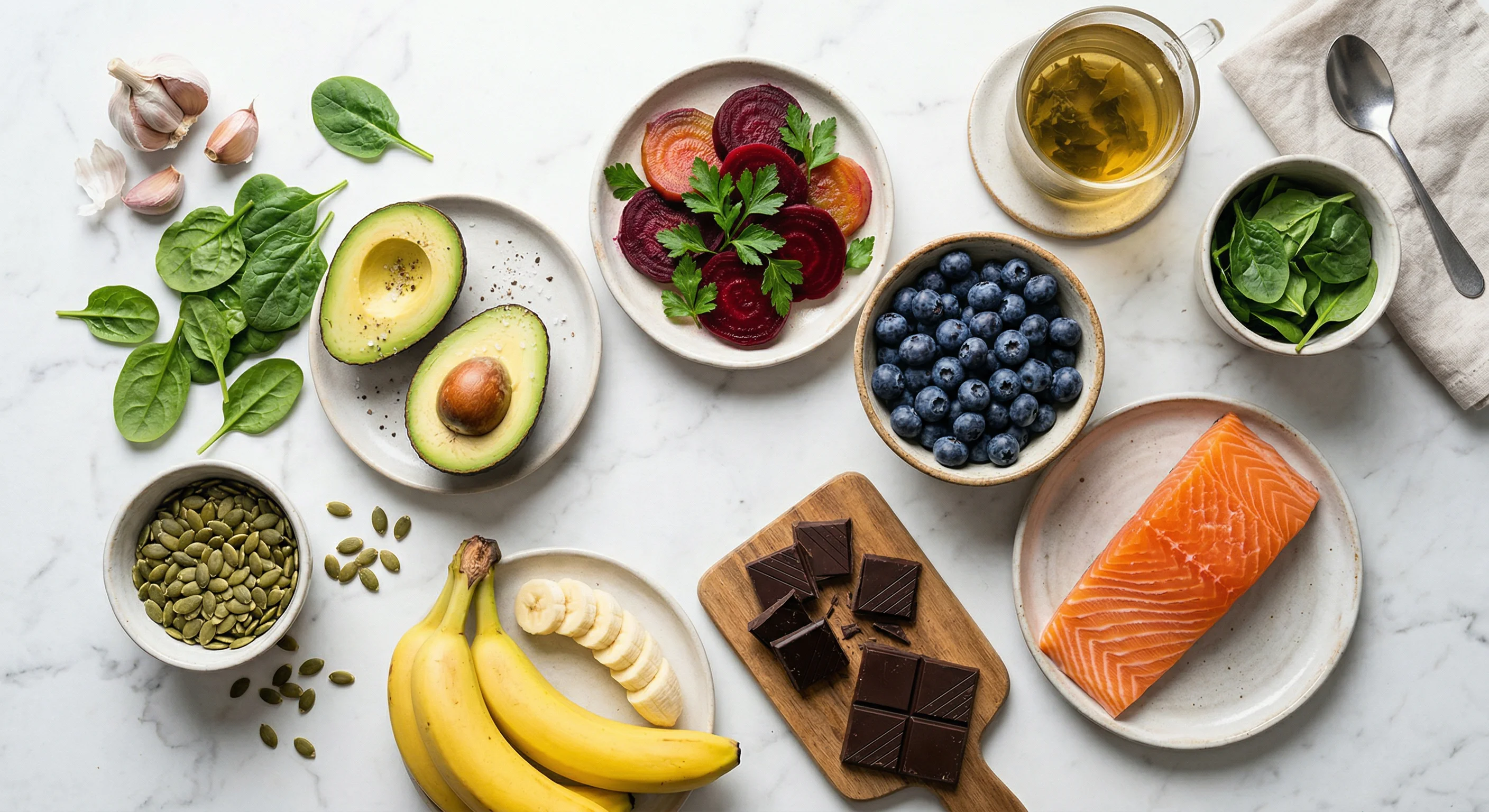
Foods that lower blood pressure include beetroot juice, potassium-rich fruit and vegetables such as bananas, beans and leafy greens, berries, oily fish, garlic, and low-fat dairy such as plain yoghurt. Beetroot juice works fastest: in a small 2008 trial of 14 healthy adults, published in Hypertension, one 500 ml glass lowered systolic blood pressure by about 10 mmHg within a few hours. Most of the other foods were tested over weeks of eating them every day, and the biggest drop in trials came from eating them together, which is the idea behind the DASH diet. In the original DASH trial that eating pattern lowered blood pressure within two weeks, and a second trial found that cutting back on salt as well lowered it further.
This guide lists 20 foods and how much of each to eat, shows how quickly the best-studied ones work, and covers the foods that push blood pressure up. If you measure your blood pressure at home, you can see for yourself whether a change is working, and our guide to understanding your blood pressure readings explains what the numbers mean.
How Fast Each Food Works
The table shows when an effect showed up in the studies behind each food, and how big it was. These are averages from groups of people, so your own response may be bigger or smaller.
| Food | What does the work | When the effect showed up | Size of the effect | Study |
|---|---|---|---|---|
| Beetroot juice | Nitrate, which the body turns into nitric oxide, a gas that relaxes blood vessels | Within a few hours of one 500 ml glass, with the lowest reading at about 2.5 hours | Up to 10 mmHg lower systolic pressure in healthy adults after one glass, and about 8 mmHg after four weeks of 250 ml a day in people with high blood pressure | Webb 2008; Kapil 2015 |
| Blueberries | Anthocyanins, the pigments that make berries blue and red | Blood vessels widened more easily 2 hours after the first serving, and blood pressure was measured after one month | About 5 mmHg lower 24-hour systolic pressure in healthy adults | Rodriguez-Mateos 2019 |
| Potassium-rich fruit and vegetables, such as bananas, beans and sweet potatoes | Potassium, which helps your body pass more sodium in urine and eases tension in blood vessel walls | Within 2 weeks, in the fruit-and-vegetable diet of the DASH trial | 2.8 mmHg lower systolic pressure than a typical diet after 8 weeks, and 7.2 mmHg in people with high blood pressure | Appel 1997; Conlin 2000 |
| The DASH diet: fruit, vegetables, wholegrains and low-fat dairy, with less saturated fat | Potassium, magnesium, calcium and fibre working together | Within 2 weeks | 5.5 mmHg lower systolic pressure than a typical diet after 8 weeks, and 11.4 mmHg in people with high blood pressure | Appel 1997; NHLBI |
| Oily fish | Omega-3 fats (EPA and DHA) | Trials ran from 4 weeks to a year, 10 weeks on average | About 4.5 mmHg lower systolic pressure in people with high blood pressure and 2 mmHg in people without, at about 3 g a day, mostly from fish oil capsules | Zhang 2022 |
| Ground flaxseed | ALA, a plant omega-3 fat, plus fibre and plant compounds called lignans | Measured after 6 months of 30 g a day | About 10 mmHg lower systolic pressure than placebo in people with narrowed leg arteries (peripheral artery disease) | Rodriguez-Leyva 2013 |
| Cocoa and dark chocolate | Flavanols | Trials ran for 2 to 18 weeks | About 2 mmHg lower systolic pressure on average, mostly in healthy adults | Ried 2017 (Cochrane review) |
| Garlic | Sulphur compounds such as allicin | Trials ran for at least 2 months, usually about 12 weeks | About 8.3 mmHg lower systolic pressure in people with high blood pressure, using garlic supplements | Ried 2020 |
No food works fast enough for a blood pressure emergency, so if your reading is very high, get medical advice rather than waiting for a food to work.
How Food Affects Blood Pressure
Your diet influences blood pressure through several mechanisms:
- Potassium helps your kidneys flush excess sodium and relaxes blood vessel walls
- Dietary nitrates convert to nitric oxide, which widens blood vessels
- Omega-3 fatty acids reduce inflammation and improve arterial flexibility
- Magnesium relaxes smooth muscle in blood vessel walls
- Antioxidants (flavonoids, anthocyanins) protect blood vessels from damage
- Fibre improves gut health and reduces systemic inflammation
The most effective approach combines multiple nutrient-rich foods rather than relying on a single "miracle" ingredient. That's the foundation of the DASH diet, which consistently outperforms individual food interventions in clinical trials. For a broader look at lifestyle factors, see our guide on lifestyle hacks for blood pressure control.
Potassium-Rich Foods
Potassium is the most important mineral for blood pressure control. It counteracts the effects of sodium and helps your body excrete excess salt. Most adults need 3,500-5,000 mg of potassium daily, but the average intake is only about 2,500 mg.
1. Spinach and Leafy Greens
Leafy greens bring several blood pressure nutrients together. Spinach, kale, Swiss chard, and rocket are packed with potassium, magnesium, and dietary nitrates. That combination makes them a triple threat against high BP.
How much: 1-2 cups of raw leafy greens daily (about a large handful). Evidence: A 2021 study of more than 53,000 Danish adults, published in the European Journal of Epidemiology, found that people who ate the most nitrate-rich vegetables had systolic blood pressure about 2.6 mmHg lower than people who ate the least, and leafy greens are among the richest sources of nitrate. It was an observational study, so it shows a link rather than proof that the vegetables caused the difference.
2. Sweet Potatoes
One medium sweet potato delivers about 540 mg of potassium, which is more than a banana. They're also high in magnesium and fibre, both of which support healthy blood pressure.
How much: One medium sweet potato, 3-4 times per week. Tip: Bake or roast with the skin on. It retains more nutrients than peeling and boiling.
3. Bananas
The classic potassium food. One medium banana provides about 422 mg of potassium. They're convenient, affordable, and available year-round.
How much: 1-2 bananas daily. While bananas alone won't dramatically lower BP, they're an easy way to boost your overall potassium intake alongside other potassium-rich foods.
4. White Beans
Beans are potassium powerhouses that often get overlooked. One cup of cooked white beans provides a massive 1,000 mg of potassium, nearly double a banana. They also deliver magnesium, fibre, and plant-based protein.
How much: 1/2 cup of cooked beans, 4-5 times per week. Any variety works: kidney, black, lima, and chickpeas are all excellent choices.
Potassium Goal
Nitrate-Rich Foods
Dietary nitrates are converted to nitric oxide in your body, which signals blood vessels to relax and widen. This is one of the fastest-acting dietary mechanisms for lowering blood pressure. To understand what these numbers mean in practice, check our guide to how blood pressure is measured.
5. Beetroot
Beetroot is one of the richest sources of dietary nitrate. In studies, beetroot juice lowered blood pressure within a few hours of drinking it, making it the fastest-acting food on this list.
How much: 250 ml (1 cup) of beetroot juice or 1-2 whole beets daily. Evidence: A 2013 meta-analysis of 16 small trials in the Journal of Nutrition found that beetroot juice and other nitrate supplements lowered systolic BP by an average of 4.4 mmHg. In a 2015 trial of people with high blood pressure, published in Hypertension, a 250 ml glass of beetroot juice every day lowered systolic pressure by about 8 mmHg more than a nitrate-free placebo juice over four weeks.
For dosing, timing and who should avoid it, see our guide to beetroot juice and blood pressure.
6. Rocket (Arugula)
Rocket has the highest nitrate content of any leafy green, even higher than beetroot gram-for-gram. It also provides calcium and vitamin K for overall cardiovascular health.
How much: A generous handful added to salads, sandwiches, or pasta daily.
7. Celery
Celery contains both nitrates and phthalides, a compound that relaxes the smooth muscles in blood vessel walls. Traditional Chinese medicine has used celery for blood pressure management for centuries.
How much: 4 stalks of celery daily (about 1 cup chopped). Evidence: A small clinical trial found that celery seed extract reduced systolic BP by 8.2 mmHg over 6 weeks.
Omega-3 and Healthy Fat Foods
Omega-3 fatty acids reduce inflammation, improve arterial elasticity, and can lower blood pressure by 2-5 mmHg. They work best when consumed consistently over weeks rather than as a one-time intervention.
8. Fatty Fish (Salmon, Mackerel, Sardines)
Fatty fish provides the most bioavailable form of omega-3s (EPA and DHA). Salmon, mackerel, sardines, and trout are the richest sources.
How much: 2-3 servings per week (about 100-150 g per serving). Evidence: A 2022 meta-analysis of 71 trials in the Journal of the American Heart Association, most of which used fish oil capsules rather than fish, found that about 3 g of omega-3s daily lowered systolic BP by about 2 mmHg in people without high blood pressure and by 4.5 mmHg in those with hypertension.
9. Flaxseeds
For plant-based eaters, flaxseeds are the best source of alpha-linolenic acid (ALA), a plant-based omega-3. Ground flaxseeds are also rich in fibre and lignans, both of which benefit cardiovascular health.
How much: 2 tablespoons of ground flaxseeds daily, added to smoothies, yoghurt, or oatmeal. Evidence: In a 2013 trial of 110 people with narrowed leg arteries (peripheral artery disease), published in Hypertension, 30 g of milled flaxseed a day lowered systolic blood pressure by about 10 mmHg more than a placebo over 6 months.
10. Extra Virgin Olive Oil
Olive oil is rich in polyphenols and oleic acid, which improve endothelial function and reduce oxidative stress. It's a cornerstone of the Mediterranean diet, which is associated with lower cardiovascular disease risk.
How much: 2-4 tablespoons daily as your primary cooking and dressing oil. Tip: Choose extra virgin. It retains more polyphenols than refined olive oil.
Antioxidant-Rich Foods
Antioxidants protect blood vessels from oxidative damage and improve their ability to dilate. Flavonoids and anthocyanins are particularly effective for blood pressure.
The fruits in this guide that may help lower blood pressure are blueberries and other berries, pomegranate, watermelon, bananas, avocado and kiwifruit.
11. Blueberries
Blueberries are among the most studied foods for blood pressure. Their deep blue colour comes from anthocyanins, powerful antioxidants that improve blood vessel function.
How much: 1 cup (150 g) of blueberries daily. Evidence: In a 2019 trial published in the Journals of Gerontology, healthy adults who had a daily drink made from wild blueberry powder, equal to about 200 g of fresh blueberries, had 24-hour systolic blood pressure about 5 mmHg lower than a control group after one month. Their blood vessels also widened more easily, starting two hours after the first drink.
12. Pomegranate
Pomegranate juice is exceptionally high in polyphenols, containing three times more than green tea. It's been shown to reduce arterial plaque and improve blood flow.
How much: 250 ml (1 cup) of 100% pomegranate juice daily. Evidence: A 2017 meta-analysis found that pomegranate juice consumption reduced systolic BP by 5 mmHg regardless of how long participants drank it.
13. Dark Chocolate
Good news for chocolate lovers: dark chocolate (at least 70% cocoa) contains flavanols that stimulate nitric oxide production and improve blood vessel flexibility. The key is choosing high-cocoa, low-sugar varieties.
How much: 1-2 small squares (about 30 g) of 70%+ dark chocolate daily. Evidence: A 2017 Cochrane review of 35 trials found that flavanol-rich cocoa products lowered systolic BP by about 2 mmHg on average, mostly in healthy adults, over two to 18 weeks.
Watch the Sugar
Magnesium-Rich Foods
Magnesium relaxes blood vessel smooth muscle and helps regulate blood pressure. About 50% of adults don't get enough magnesium, making deficiency a common contributor to elevated blood pressure. To see where your levels sit, learn about normal blood pressure ranges and what counts as elevated.
14. Pumpkin Seeds
Just 30 g (1/4 cup) of pumpkin seeds provides 156 mg of magnesium, about 37% of the recommended daily intake. They're also rich in potassium, zinc, and healthy fats.
How much: A small handful (30 g) daily as a snack or salad topping.
15. Avocado
One avocado delivers about 58 mg of magnesium plus 975 mg of potassium, making it a double-action blood pressure food. The monounsaturated fats also support overall heart health.
How much: Half an avocado, 3-5 times per week, added to salads, toast, or smoothies.
Our guide to magnesium and blood pressure covers the research, the best food sources and when supplements are worth considering.
Other Proven BP-Lowering Foods
16. Garlic
Garlic contains allicin, a compound that increases nitric oxide production and relaxes blood vessels. Both raw garlic and aged garlic extract have shown blood pressure-lowering effects.
How much: 1-2 raw cloves daily (crushed or minced and left to sit for 10 minutes before eating to activate allicin). Evidence: A 2020 meta-analysis of 12 trials in people with high blood pressure found that garlic supplements, mostly garlic powder and aged garlic extract, lowered systolic BP by an average of 8.3 mmHg and diastolic BP by 5.5 mmHg, in trials that mostly lasted about 12 weeks. Those trials tested supplements rather than garlic in food.
17. Oats
Oats are high in soluble fibre (beta-glucan), which reduces cholesterol and supports healthy blood pressure. Steel-cut and rolled oats are more effective than instant varieties.
How much: 1/2 cup of dry oats (cooked into porridge) daily. Evidence: A systematic review found that consuming 3+ grams of oat beta-glucan daily reduced systolic BP by 2.7 mmHg.
18. Greek Yoghurt
Low-fat dairy is a key component of the DASH diet. Greek yoghurt provides calcium, potassium, and probiotics, all of which are linked to better blood pressure control.
How much: 150-200 g daily. Choose plain, unsweetened varieties and add your own fruit or berries. Evidence: A 2021 study in the International Dairy Journal found that people consuming 2+ servings of yoghurt per week had a 17% lower risk of high blood pressure.
19. Watermelon
Watermelon is rich in L-citrulline, an amino acid that your body converts to L-arginine and then to nitric oxide, widening blood vessels. It's also hydrating and potassium-rich.
How much: 2 cups (300 g) several times per week. Evidence: A Florida State University study found that watermelon supplementation reduced systolic BP by 4 mmHg in prehypertensive adults.
20. Green Tea
Green tea contains catechins (particularly EGCG) that improve endothelial function and have mild diuretic effects. Long-term consumption is associated with lower cardiovascular disease risk.
How much: 2-3 cups daily. Evidence: A meta-analysis of 13 trials found that green tea reduced systolic BP by 2-3 mmHg over 3-6 months of regular consumption.
If you prefer herbal tea, hibiscus has trial evidence too, which our guide to hibiscus tea and blood pressure walks through.
Also Worth Adding: Pistachios and Kiwifruit
Two foods outside the 20 above also have trial evidence. Unsalted pistachios: a 2015 review of 21 trials in the American Journal of Clinical Nutrition found that pistachios lowered systolic blood pressure by about 1.8 mmHg, the biggest effect of any nut it looked at. Choose unsalted ones, because salted nuts add sodium.
Kiwifruit: in a 2015 Norwegian trial of 118 adults with moderately raised blood pressure, eating three kiwifruit a day for eight weeks lowered 24-hour systolic pressure by 3.6 mmHg more than eating one apple a day, although readings taken in the clinic did not differ.
Sample Daily Meal Plan for Lower Blood Pressure
Here's how to incorporate these foods into a typical day:
Breakfast
- Steel-cut oats with blueberries, ground flaxseeds, and a drizzle of honey
- Green tea
- One banana
Morning Snack
- Handful of pumpkin seeds
- Small glass of beetroot juice (250 ml)
Lunch
- Large spinach and rocket salad with white beans, avocado, celery, and olive oil dressing
- Grilled chicken or tofu for protein
Afternoon Snack
- Greek yoghurt with pomegranate seeds
- 1-2 squares of dark chocolate (70%+)
Dinner
- Baked salmon with garlic and herbs
- Roasted sweet potato
- Steamed broccoli with olive oil
- Watermelon for dessert
Estimated Nutrient Totals
This is one sample day. For a full week of menus, follow our 7-day DASH meal plan.
Foods to Avoid with High Blood Pressure
The foods most worth cutting back on are salty ones, such as deli and cured meats, canned soup, frozen meals, takeaway and salty snacks, because too much sodium raises blood pressure. Too much alcohol can raise it too, and sugary drinks raise your risk of developing high blood pressure.
| Food | Why to limit it | A better swap |
|---|---|---|
| Deli and cured meats, such as ham, bacon and salami | Very high in sodium. Deli meat sandwiches are the biggest single source of sodium in the US diet, according to the CDC. | Chicken or fish you cook yourself with little added salt |
| Canned soup | Soups are one of the top sources of sodium in the US diet (CDC). | Low-sodium canned soup, or soup you make yourself |
| Frozen meals, fast food and takeaway | More than 70% of the sodium Americans eat comes from packaged, prepared and restaurant food (American Heart Association). | Meals cooked at home, or the lowest-sodium option when you compare labels |
| Salty snacks, such as chips, crackers and salted popcorn | Savoury snacks are one of the top sources of sodium in the US diet (CDC). | Unsalted nuts or a piece of fruit |
| Pickles, soy sauce and other salty condiments | Very high in sodium (USDA FoodData Central). | Lemon juice, vinegar, herbs and spices for flavour |
| Alcohol | Too much alcohol can raise your blood pressure (American Heart Association). | No more than one drink a day for women and two for men, or alcohol-free drinks |
| Sugary drinks, such as soft drinks and sweetened juice | Added sugars, especially from sugary drinks, raise the risk of high blood pressure (American Heart Association). | Water, plain milk or unsweetened tea |
| Coffee and energy drinks | Caffeine can raise blood pressure (MedlinePlus). | Ask your doctor whether you should limit or avoid caffeine, as MedlinePlus advises for anyone with high blood pressure |
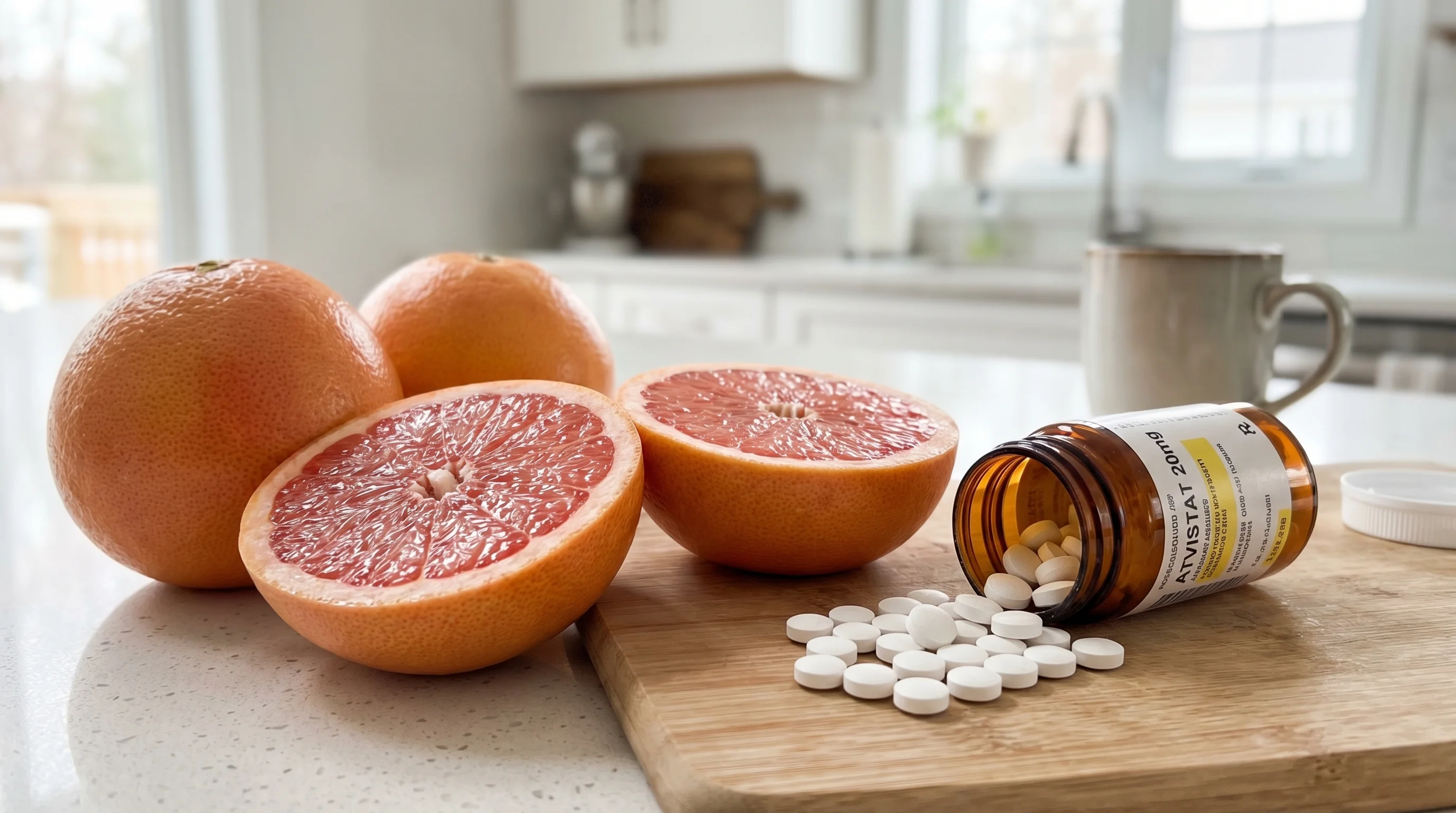
| Grapefruit, if you take blood pressure medicine | It can interact with some blood pressure medicines, such as nifedipine, and leave too much of the drug in your blood (FDA). | Ask your doctor or pharmacist whether grapefruit is safe with your medicine |
The Sodium Target
How Quickly Can Diet Lower Blood Pressure?
Here's a realistic timeline based on research:
- Within hours: one 500 ml glass of beetroot juice lowered systolic pressure by up to 10 mmHg in healthy adults, with the lowest reading about 2.5 hours later
- Within 2 weeks: the DASH diet and a diet rich in fruit and vegetables both started to lower blood pressure in the original DASH trial
- Within 4 weeks: a daily glass of beetroot juice lowered systolic pressure by about 8 mmHg in people with high blood pressure, and a daily blueberry drink lowered it by about 5 mmHg in healthy adults
- Over 2 to 6 months: the trials of garlic supplements, omega-3 fats and flaxseed ran this long, so give those foods time
The key takeaway: start measuring now. If you don't track your blood pressure before and after dietary changes, you won't know what's working. Our guide to taking accurate blood pressure measurements can help you get reliable readings.
How to Tell If a Food Is Working for You
You can find out whether a food lowers your own blood pressure by measuring before and after you change your diet, the same way each time. Blood pressure naturally varies through the day, so a single reading can mislead you, and an average of many readings is a better guide.
- Measure for one week before you change anything. Take two readings a minute apart in the morning and again in the evening, at about the same times each day. This week is your baseline.
- Add the food you want to test and eat it every day. Keep the rest of your routine the same, including taking any medicine exactly as prescribed.
- Keep measuring the same way for two to four weeks.
- Compare your weekly averages rather than single readings. If your average stays below your baseline week, share the numbers with your doctor.
Our guide on how to take an accurate reading covers how to sit and when to measure, and a blood pressure log keeps the numbers in one place. You can then check where your weekly averages sit on our blood pressure chart.
Cardilog makes it easy to log your readings, spot trends, and see exactly how your dietary changes affect your blood pressure over days, weeks, and months. It works out your averages for you, so you can compare your baseline week with the weeks after the change. The AI health assistant can even help you understand patterns, like whether your morning readings improve after a week of eating more leafy greens. You can also download a printable blood pressure log if you prefer paper tracking.
The Bottom Line
No single food will cure high blood pressure, but a consistent diet rich in potassium, magnesium, nitrates, omega-3s, and antioxidants, with less salt and fewer processed foods, can make a real difference. In the original DASH trial, a diet built on fruit, vegetables and low-fat dairy lowered systolic blood pressure by 11.4 mmHg in people with high blood pressure. For some people, that's enough to bring readings from hypertensive back into the normal range.
Start with the foods you enjoy most from this list. Add 2-3 new ones each week. Explore more tips to lower your blood pressure, track your readings, and remember: consistency beats perfection every time.
If you are weighing supplements as well, see our guide to supplements that lower blood pressure.