
The clinical evidence for hibiscus and blood pressure
Hibiscus tea is not a folk remedy with no data behind it. Over the past 20 years, researchers have run multiple controlled trials testing whether drinking hibiscus tea actually lowers blood pressure. The results are consistent and measurable.
A 2008 study from the USDA Agricultural Research Service tested hibiscus tea in 65 adults with pre-hypertension and mild hypertension. Half drank 3 cups (240ml each) of brewed hibiscus tea daily. The other half drank a placebo beverage. After 6 weeks, the hibiscus group had a 7.2 mmHg drop in systolic blood pressure. The placebo group only dropped 1.3 mmHg.
That 7.2 mmHg reduction is clinically relevant. A sustained 5-10 mmHg drop in systolic pressure reduces stroke risk by about 14% and coronary heart disease risk by 9%. For context, first-line blood pressure medications typically lower systolic by 10-20 mmHg, so hibiscus is weaker but not negligible.
What the meta-analyses show
A 2020 systematic review combined data from multiple studies. It found that hibiscus reduced systolic blood pressure by an average of 4.71 mmHg and diastolic by 4.08 mmHg. The effect was consistent across different populations, including people with type 2 diabetes and metabolic syndrome.
A more recent 2025 dose-response meta-analysis involving 1,797 participants confirmed that hibiscus lowers both systolic and diastolic blood pressure compared to placebo. The analysis also showed the effect is dose-dependent. Higher daily intake (2-3 servings) produced larger reductions than single servings.
| Study | Duration | Dosage | Systolic Change | Diastolic Change |
|---|---|---|---|---|
| USDA 2008 (McKay et al.) | 6 weeks | 3 cups/day (720ml) | -7.2 mmHg | -3.1 mmHg |
| Iran 2009 (Mozaffari-Khosravi) | 4 weeks | 2 cups/day (480ml) | -7.6 mmHg | -5.0 mmHg |
| Meta-analysis 2020 (Riaz) | 2-12 weeks | Various (480-960ml) | -4.71 mmHg | -4.08 mmHg |
| Meta-analysis 2025 (Li et al.) | 2-12 weeks | Dose-dependent | -4 to -8 mmHg | -3 to -5 mmHg |
How hibiscus tea lowers blood pressure
Hibiscus works through several biological pathways, not just one. This is why it has measurable effects on blood pressure.
ACE inhibitor-like effect
Hibiscus contains compounds that act similarly to ACE inhibitor medications. ACE (angiotensin-converting enzyme) is an enzyme that tightens blood vessels. Blocking ACE allows blood vessels to relax and widen, which lowers blood pressure. Drugs like lisinopril and enalapril work this way.
Research shows that hibiscus extracts inhibit ACE activity in laboratory tests. This effect is weaker than pharmaceutical ACE inhibitors, but it is measurable and contributes to the blood pressure reduction seen in trials.
Mild diuretic action
Hibiscus has a mild diuretic effect. It increases urine output slightly, which helps the body eliminate excess sodium and water. Less fluid volume in the bloodstream means lower pressure on artery walls.
This diuretic action is much gentler than prescription diuretics like furosemide or hydrochlorothiazide. However, it is enough to contribute to the overall blood pressure reduction when combined with the other effects.
Antioxidant and endothelial function
Hibiscus is rich in anthocyanins and polyphenolic compounds. These antioxidants reduce oxidative stress in blood vessels and help preserve nitric oxide, a molecule that keeps arteries flexible and dilated.
Some studies suggest hibiscus improves flow-mediated dilation (FMD), a marker of healthy endothelial function. Better endothelial function means arteries respond properly to signals to relax, which helps regulate blood pressure.
Dosage: how much hibiscus tea to drink
Most clinical trials that found blood pressure benefits used 2-3 cups (240ml per cup) of hibiscus tea daily. That is 480-720ml total per day.
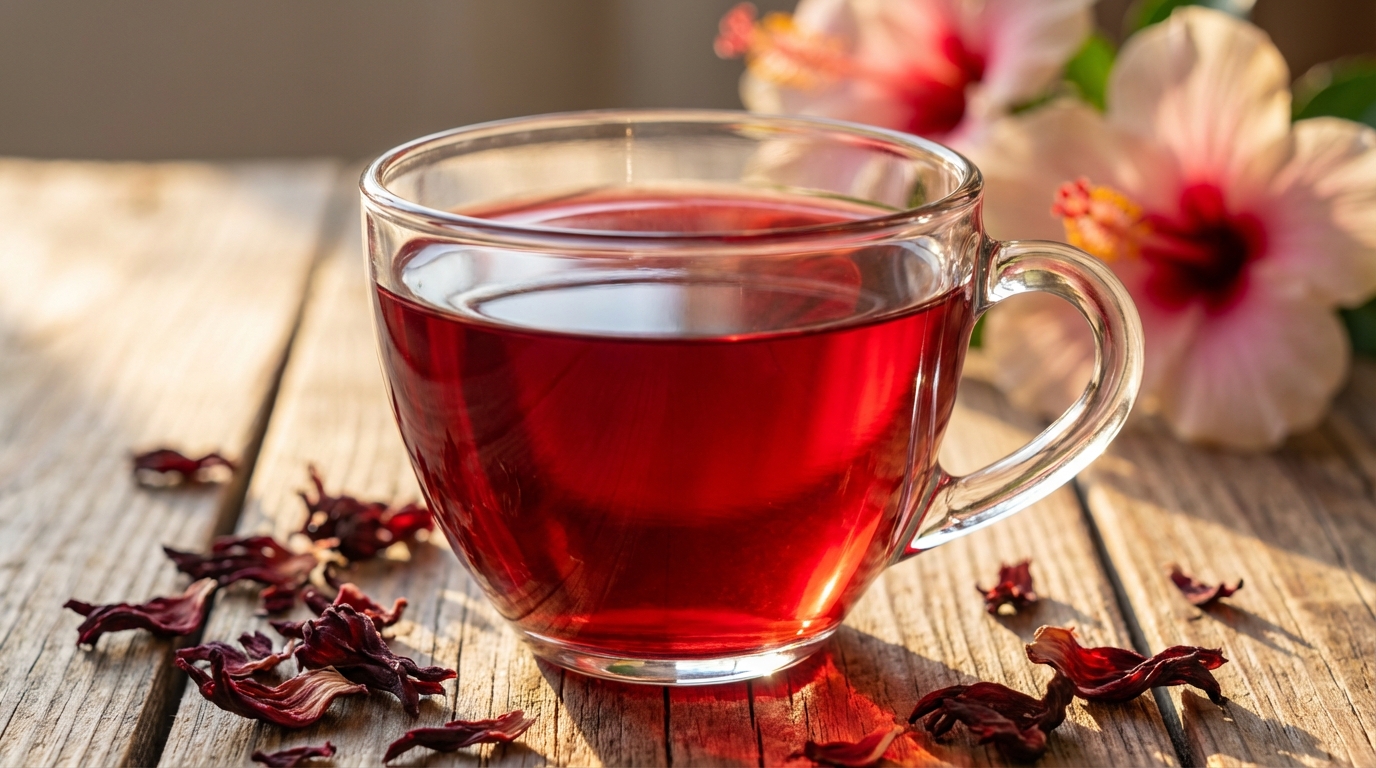
The tea was brewed using 1.5 to 5 grams of dried hibiscus calyces per serving, steeped for 5-10 minutes in boiling water. Plain tea was used, no sweeteners or milk. Some studies had participants drink it all at once, others split the servings throughout the day.
| Daily Dosage | Blood Pressure Effect | Safety Notes |
|---|---|---|
| 1 cup (240ml) | Minimal to modest effect | Well tolerated, unlikely to cause issues |
| 2 cups (480ml) | -4 to -7 mmHg systolic | Effective range in most trials, safe for most adults |
| 3 cups (720ml) | -5 to -8 mmHg systolic | Upper tested limit, monitor for low BP if on medications |
| 4+ cups (960ml+) | Unknown | Not well studied, increased interaction risk |
How to brew hibiscus tea properly
Brewing method matters if you want the blood pressure benefits seen in clinical trials. Here is the standard approach used in research:
- Use 1-2 teaspoons (about 1.5 grams) of dried hibiscus petals per 240ml cup.
- Bring water to a full boil.
- Pour boiling water over the hibiscus petals.
- Steep for 5-10 minutes. Longer steeping extracts more compounds.
- Strain out the petals.
- Drink plain or add lemon. Avoid sugar or honey if possible.
You can drink it hot or cold. Some trials used room temperature tea. The active compounds are stable across temperatures, so preference is fine.
Pre-made hibiscus tea bags work too. Check the label to confirm they contain pure hibiscus (Hibiscus sabdariffa) without added flavors or sweeteners. Use 2 bags per cup if each bag contains less than 1.5 grams.
Drug interactions and safety concerns
Hibiscus tea is safe for most healthy adults, but it is not safe for everyone. Several drug interactions and contraindications exist.
Interactions with blood pressure medications
If you are already taking blood pressure medication, adding hibiscus tea can lower your blood pressure too much. This can cause dizziness, fainting, or falls.
Hibiscus may enhance the effects of ACE inhibitors, ARBs, beta blockers, and calcium channel blockers. The combined effect can push systolic below 90 mmHg or diastolic below 60 mmHg, which is too low for most people.
Hydrochlorothiazide (HCTZ) interaction
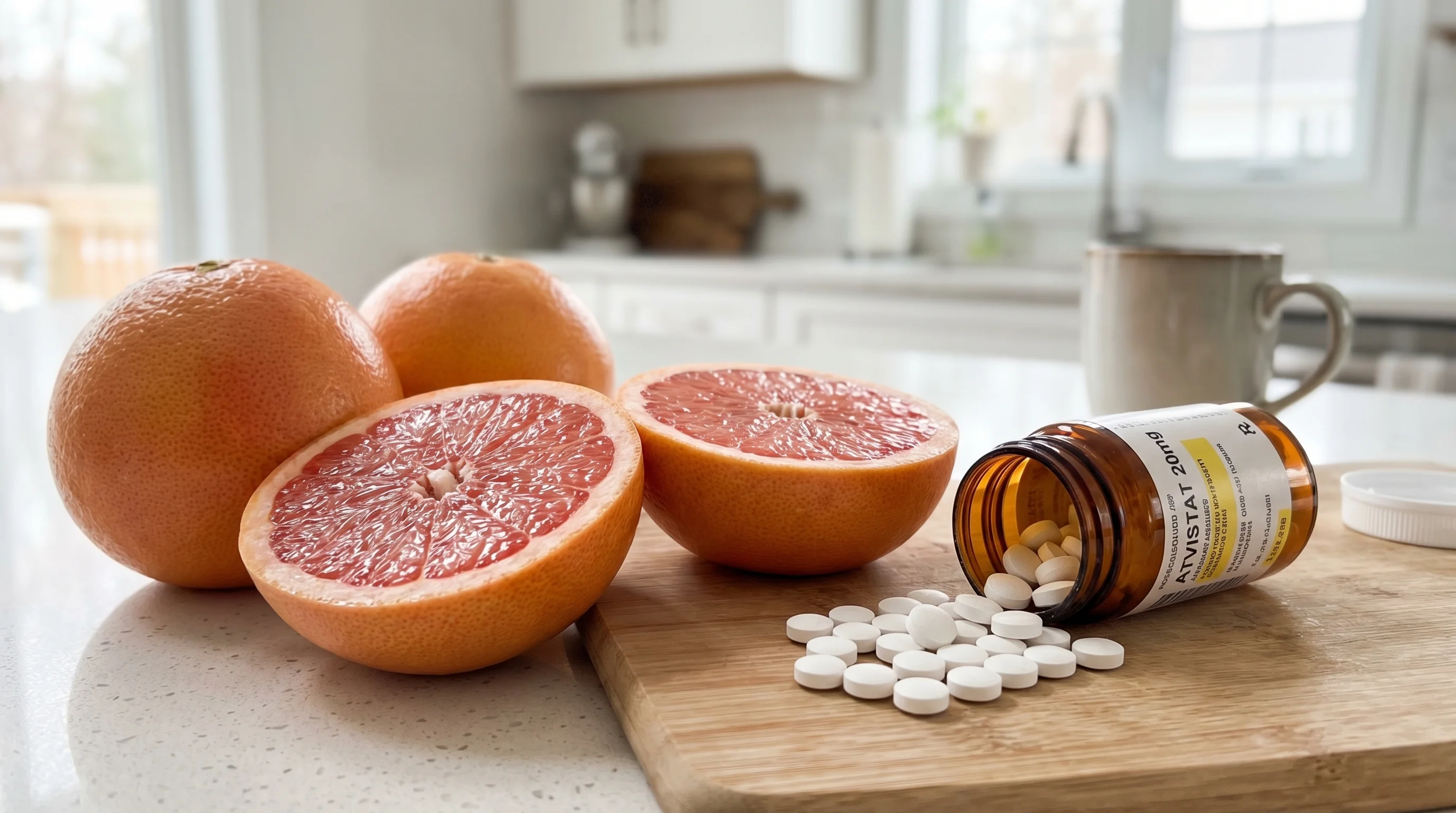
A 2010 pharmacokinetic study found that hibiscus reduces how quickly the body clears hydrochlorothiazide, a common diuretic used for blood pressure. This can cause the drug to build up in the bloodstream, increasing side effects like electrolyte imbalances and excessive urination.
If you take hydrochlorothiazide (HCTZ, Microzide) or combination pills that contain it, avoid hibiscus tea or talk to your doctor before starting it.
Acetaminophen (paracetamol) interaction
Some research suggests hibiscus may alter how the liver processes acetaminophen (Tylenol, Panadol). This could reduce the effectiveness of acetaminophen or change how long it stays in the body. The clinical significance is unclear, but avoid taking large doses of acetaminophen regularly if you drink hibiscus tea daily.
Anti-malarial drugs
Hibiscus tea may interfere with the effectiveness of certain anti-malarial medications, including chloroquine. If you are taking anti-malarial drugs, do not drink hibiscus tea without consulting your doctor.
Pregnancy and breastfeeding
Hibiscus has traditionally been used to induce menstruation and may affect hormone levels. Some animal studies suggest high doses could affect pregnancy outcomes. There is not enough safety data for hibiscus during pregnancy, so it is best avoided.
The safety of hibiscus during breastfeeding is also unknown. If you are pregnant or breastfeeding, skip hibiscus tea and focus on proven safe methods for blood pressure management.
Low blood pressure (hypotension)
If your blood pressure is already low (below 100/60 mmHg consistently), drinking hibiscus tea could lower it further and cause symptoms like dizziness, fatigue, fainting, or blurred vision. People with orthostatic hypotension should avoid it.
Side effects of hibiscus tea
Side effects from hibiscus tea are uncommon. In clinical trials, most participants tolerated 2-3 cups daily without problems. When side effects do occur, they are usually mild and gastrointestinal.
- Stomach upset: Some people experience nausea or stomach discomfort, especially on an empty stomach.
- Gas and bloating: Hibiscus has a mild laxative effect in some individuals.
- Constipation: Paradoxically reported in a small number of trial participants.
- Dizziness or lightheadedness: Usually a sign that blood pressure has dropped too low.
- Allergic reactions: Rare, but possible if you have allergies to plants in the Malvaceae family.
If you experience persistent dizziness, fainting, or severe stomach discomfort, stop drinking hibiscus tea and consult a healthcare provider.
Comparing hibiscus to other natural blood pressure remedies
Hibiscus is one of several natural approaches that have been studied for blood pressure. How does it compare?
| Remedy | Systolic Reduction | Diastolic Reduction | Evidence Quality |
|---|---|---|---|
| Hibiscus tea (2-3 cups/day) | -4 to -7 mmHg | -3 to -5 mmHg | High (multiple RCTs) |
| Beetroot juice (250-500ml/day) | -4 to -5 mmHg | -2 to -3 mmHg | High (multiple RCTs) |
| Green tea (3-4 cups/day) | -2 to -3 mmHg | -1 to -2 mmHg | Moderate (mixed results) |
| Magnesium supplements (300-500mg/day) | -3 to -5 mmHg | -2 to -3 mmHg | Moderate (consistent small effects) |
| Turmeric/curcumin (500-1000mg/day) | -2 to -4 mmHg | -1 to -2 mmHg | Moderate (emerging evidence) |
| DASH diet (full adherence) | -8 to -14 mmHg | -5 to -8 mmHg | Very high (landmark trials) |
| Regular aerobic exercise (150 min/week) | -5 to -8 mmHg | -3 to -5 mmHg | Very high (consistent large trials) |
Hibiscus ranks well among herbal teas and supplements. It has stronger effects than green tea and comparable results to beetroot juice. However, lifestyle interventions like the DASH diet and regular exercise produce larger and more reliable blood pressure reductions.
For people looking to add a natural blood pressure-lowering strategy alongside diet and exercise, hibiscus tea is a reasonable choice. It is affordable, widely available, and has a solid evidence base.
Who should and should not drink hibiscus tea
Good candidates
- Adults with prehypertension (120-139/80-89 mmHg) looking for lifestyle approaches to prevent hypertension.
- People with mild hypertension (140-159/90-99 mmHg) who want to complement lifestyle changes with a natural option.
- Adults on blood pressure medication who want to support their treatment with diet, after discussing with their doctor.
- People who tolerate caffeine-free herbal teas and want an alternative to green or black tea.
People who should avoid it
- Pregnant or breastfeeding women.
- People with low blood pressure (below 100/60 mmHg) or orthostatic hypotension.
- Anyone taking hydrochlorothiazide or other thiazide diuretics.
- People taking anti-malarial medications.
- Anyone with a history of fainting, severe dizziness, or falls related to low blood pressure.
Practical tips for using hibiscus tea
If you decide to try hibiscus tea for blood pressure, here are some practical suggestions based on clinical trial protocols and patient experiences:
- Start with 1 cup per day for a week, then increase to 2-3 cups if you tolerate it well. This lets you monitor for side effects or excessive blood pressure drops.
- Track your blood pressure regularly. Measure at the same time each day, before drinking hibiscus tea. Keep a log so you can see if there is a trend over weeks.
- Be consistent. Drink it at the same times each day. The effect builds over weeks, not hours. Skipping days will reduce effectiveness.
- Avoid adding sugar. Sugar can blunt some of the cardiovascular benefits. If you need flavor, try lemon or a small amount of stevia.
- Give it at least 4-6 weeks before deciding if it is working. Blood pressure changes from hibiscus are gradual, not immediate.
- Combine with other healthy habits. Hibiscus tea works best alongside food that lowers blood pressure, reduced sodium intake, and regular physical activity.
- Tell your doctor you are drinking it, especially if you are on medications or have any chronic health conditions.
Is hibiscus tea worth trying?
For most people with prehypertension or mild hypertension, hibiscus tea is a low-risk, evidence-backed option to add to their blood pressure management strategy. It will not replace medications, but it can contribute a modest 4-7 mmHg reduction when used consistently.
That said, hibiscus is not magic. The DASH diet, weight loss if overweight, regular exercise, and stress management all have larger effects on blood pressure. If you are serious about lowering blood pressure naturally, focus on those first.
Hibiscus tea fits best as one part of a broader plan. It is something you can drink daily that has measurable benefits, minimal side effects for most people, and a pleasant tart flavor. Just respect the contraindications, watch for drug interactions, and track your blood pressure to see if it is working for you.
If you are curious about other natural blood pressure strategies, explore beetroot juice, turmeric, or other supplements that have clinical evidence.
Apple cider vinegar is another popular kitchen remedy, and our guide to apple cider vinegar for blood pressure covers what the trials found and which medicines to check first.