

Why exercise lowers blood pressure
Exercise does not just burn calories. It fundamentally changes how your blood vessels work. During and after physical activity, your blood vessels dilate to allow more oxygen-rich blood to reach working muscles. Over weeks and months of consistent exercise, these temporary changes become structural adaptations:
- Improved endothelial function: The inner lining of your blood vessels (endothelium) produces more nitric oxide, a molecule that keeps vessels flexible and dilated. This reduces vascular resistance and lowers blood pressure.
- Reduced arterial stiffness: Regular exercise makes arteries more elastic and responsive. Stiff arteries force the heart to work harder, raising blood pressure. Exercise reverses this.
- Sympathetic nervous system modulation: Exercise training lowers resting sympathetic (stress) nervous system activity, which in turn reduces heart rate and vascular constriction.
- Weight and body composition changes: Even modest weight loss from exercise (5-10% of body weight) significantly lowers blood pressure. Each kilogram lost typically reduces systolic pressure by 1 mmHg.
The effect is dose-dependent. More exercise generally equals more blood pressure reduction, up to a point. Beyond about 300 minutes per week of moderate activity, additional volume provides diminishing returns.
The most effective exercises for blood pressure (ranked by evidence)
1. Isometric exercises (highest effectiveness)
A 2023 network meta-analysis published in the British Journal of Sports Medicine analyzed 270 randomized controlled trials and found that isometric exercises produced the largest blood pressure reductions of any exercise type. Isometric training involves holding a static position that tenses muscles without joint movement, like wall sits or plank holds.
| Isometric Exercise | Blood Pressure Reduction | Protocol | Difficulty |
|---|---|---|---|
| Wall squats | -8 to -10 mmHg systolic | 4 sets x 2 minutes at 85-95% max HR | Moderate |
| Isometric handgrip | -6 to -8 mmHg systolic | 4 sets x 2 minutes at 30-40% max grip | Easy |
| Plank holds | -5 to -8 mmHg systolic | 4 sets x 90-120 seconds | Moderate |
| Isometric leg extension | -4 to -7 mmHg systolic | 4 sets x 2 minutes at 20-30% max | Easy to moderate |
How to do isometric handgrip training
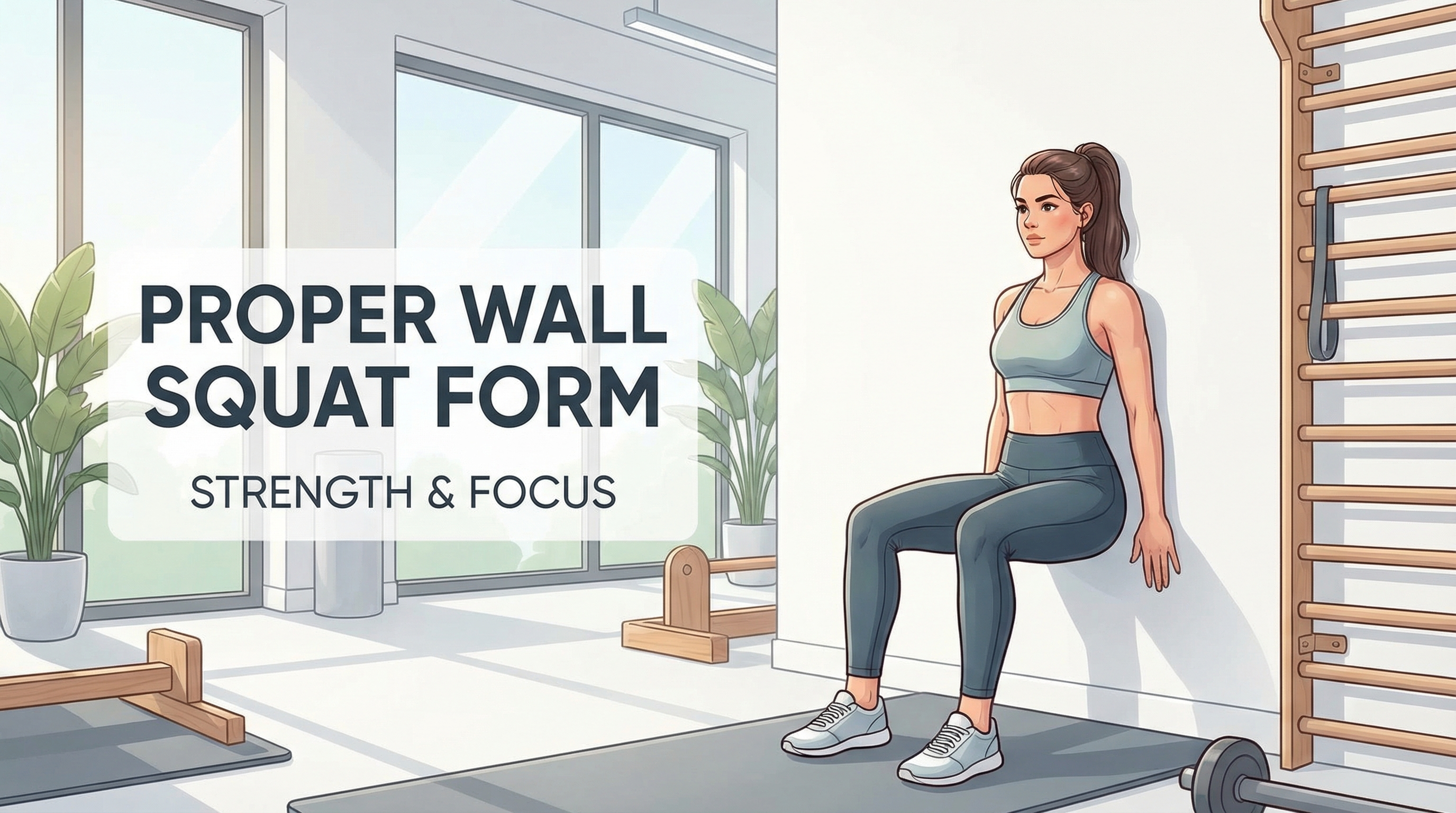
Wall squats are particularly effective. Stand with your back against a wall, slide down into a seated position (thighs parallel to the ground or slightly higher), and hold. Start with 30-45 seconds if 2 minutes is too difficult, and build up gradually. The sustained muscle contraction creates a unique cardiovascular response that appears to have lasting blood pressure benefits.
2. Aerobic exercise (proven and accessible)
Aerobic exercise has the longest track record and most consistent evidence for blood pressure reduction. Walking, jogging, cycling, and swimming all work. The key is sustained moderate intensity for at least 150 minutes per week.
| Aerobic Exercise | Blood Pressure Reduction | Frequency | Intensity |
|---|---|---|---|
| Brisk walking | -5 to -8 mmHg systolic | 30 min, 5x per week | Moderate (can talk, not sing) |
| Jogging or running | -6 to -9 mmHg systolic | 20-30 min, 3-5x per week | Moderate to vigorous |
| Cycling (road or stationary) | -5 to -8 mmHg systolic | 30 min, 3-5x per week | Moderate |
| Swimming | -5 to -7 mmHg systolic | 30 min, 3-5x per week | Moderate |
| Elliptical or rowing | -4 to -7 mmHg systolic | 30 min, 3-5x per week | Moderate |
Moderate intensity means working hard enough to raise your heart rate and break a sweat, but still being able to hold a conversation. If you are gasping for air, you are working too hard for optimal blood pressure benefits. The sweet spot is about 50-70% of your maximum heart rate (roughly 220 minus your age).
Post-exercise hypotension: your 24-hour benefit
3. Resistance training (strength with cardiovascular benefit)
Lifting weights has historically been viewed with caution for people with hypertension because blood pressure can spike during heavy lifts. But research now shows that moderate resistance training (not maximal lifting) safely lowers resting blood pressure and provides unique benefits like improved insulin sensitivity and bone density.
| Resistance Exercise | Blood Pressure Reduction | Protocol | Key Safety Rule |
|---|---|---|---|
| Circuit weight training | -4 to -6 mmHg systolic | 8-10 exercises, 2-3 sets, 60% 1RM | Never hold breath |
| Bodyweight exercises | -3 to -5 mmHg systolic | 3 sets of 10-15 reps, 2-3x per week | Exhale on exertion |
| Resistance bands | -3 to -5 mmHg systolic | 10-15 reps, 2-3 sets, 2-3x per week | Controlled tempo |
| Free weights or machines | -3 to -6 mmHg systolic | 8-12 reps, 2-3 sets, moderate weight | Avoid maximal lifts |
The critical safety rule: never hold your breath during resistance exercise. Breath-holding (Valsalva maneuver) can spike blood pressure above 250 mmHg temporarily. Always exhale during the exertion phase (lifting the weight) and inhale during the lowering phase. This keeps blood pressure in a safe range while still providing the training stimulus.
4. Yoga and breathing exercises (stress reduction pathway)
Yoga reduces blood pressure through a different mechanism than aerobic or strength training. The combination of slow breathing, meditation, and gentle stretching activates the parasympathetic (rest and digest) nervous system, which lowers stress hormones and heart rate.
| Yoga Practice | Blood Pressure Reduction | Key Components | Frequency |
|---|---|---|---|
| Hatha yoga | -3 to -6 mmHg systolic | Gentle poses, pranayama, meditation | 3-5x per week, 30-60 min |
| Restorative yoga | -2 to -4 mmHg systolic | Supported poses, deep relaxation | 2-3x per week, 45-60 min |
| Pranayama (breathing) | -4 to -6 mmHg systolic | Alternate nostril, diaphragmatic, slow breathing | Daily, 10-15 min |
| Yin yoga | -2 to -4 mmHg systolic | Long-held passive stretches | 2-3x per week, 45-60 min |
The breathing component appears to be the most active ingredient. Studies show that slow breathing exercises (6 breaths per minute) reduce systolic blood pressure by 3-5 mmHg after just 10-15 minutes of practice. Yoga poses like child's pose, legs-up-the-wall, and corpse pose (savasana) further enhance the relaxation response.
Best yoga breathing technique for blood pressure
5. High-intensity interval training (HIIT) with caution
HIIT alternates short bursts of intense exercise with recovery periods. It is time-efficient and effective for blood pressure reduction (4-6 mmHg systolic), but requires proper progression and medical clearance if you have uncontrolled hypertension.
A typical HIIT protocol for blood pressure: 1-2 minutes of vigorous effort (like fast cycling or jogging) followed by 2-3 minutes of easy recovery. Repeat 5-8 times. Total workout time: 20-30 minutes, 2-3 times per week. Start with fewer intervals and gradually increase intensity over weeks.
Weekly exercise routine template for blood pressure control
This routine combines the most effective exercise types for maximum blood pressure reduction. Adjust intensity and volume based on your current fitness level.
| Day | Exercise | Duration | Notes |
|---|---|---|---|
| Monday | Brisk walking | 30-40 min | Moderate pace, include some hills if possible |
| Tuesday | Isometric holds (wall squats + plank) | 14 min | 4 sets x 2 min wall squats; 3 sets plank |
| Wednesday | Cycling or swimming | 30-40 min | Moderate intensity, steady state |
| Thursday | Resistance training (full body) | 30-40 min | Circuit style, 8-10 exercises, breathe throughout |
| Friday | Jogging or HIIT | 20-30 min | Alternate if HIIT is tolerated well |
| Saturday | Yoga or stretching | 30-45 min | Include pranayama breathing exercises |
| Sunday | Active recovery: light walk or rest | 20-30 min or rest | Movement without exertion |
This routine provides about 180-210 minutes of total exercise per week, which is above the minimum 150-minute recommendation and optimizes blood pressure reduction. You should see measurable improvements within 4-6 weeks if you stay consistent.
Exercise tips for people with hypertension
- Get medical clearance if needed: If your blood pressure is above 180/110, you have a history of heart disease, or you experience chest pain or dizziness with activity, talk to your doctor before starting a new exercise program. Most people with controlled hypertension can exercise safely, but a stress test may be recommended.
- Start low and go slow: If you are sedentary, begin with 10-15 minutes of easy walking and add 5 minutes per week. Sudden intense exercise after inactivity can cause dangerous blood pressure spikes. Build your base for 4-6 weeks before adding high-intensity work.
- Monitor your response: Check blood pressure before and 30-60 minutes after exercise to see how your body responds. Blood pressure should drop below pre-exercise levels within an hour. If it stays high or you feel unwell, reduce intensity or duration.
- Stay hydrated: Dehydration raises blood pressure and heart rate. Drink 16-20 ounces of water 2 hours before exercise, sip during activity, and rehydrate afterward. This is especially important if you exercise in heat or take diuretics.
- Time medication carefully: Some blood pressure medications can cause exercise-related dizziness or excessive blood pressure drops. Talk to your doctor about the best time to exercise relative to when you take your medication, especially if you are on beta-blockers or diuretics.
- Track your progress: Log exercise and blood pressure readings in a tracking tool. This data helps identify what works and allows your doctor to adjust your treatment plan. Seeing progress is also motivating.
Stop exercising and seek help if you experience
How long until you see results
Blood pressure improvements from exercise follow a predictable timeline:
| Timeline | Expected Blood Pressure Change | What Is Happening |
|---|---|---|
| After 1 session | -5 to -8 mmHg for 12-24 hours | Post-exercise hypotension; temporary but immediate benefit |
| 2-4 weeks | -2 to -4 mmHg resting | Early vascular adaptations; improved endothelial function |
| 6-8 weeks | -5 to -8 mmHg resting | Structural changes in blood vessels; reduced arterial stiffness |
| 12-16 weeks | -8 to -12 mmHg resting | Maximum benefit achieved; full cardiovascular adaptation |
| After stopping exercise | Gradual return to baseline over 2-4 weeks | Benefits diminish without continued activity |
The key message: exercise is medicine, but only when taken consistently. A single workout session provides real but temporary blood pressure reduction. Sustained exercise over months creates lasting structural changes that keep blood pressure lower even on days you do not exercise. If you stop for more than 2 weeks, benefits begin to fade.
Combining exercise with other blood pressure strategies
Exercise works best when combined with other lifestyle interventions. The effects are additive:
- Exercise: -5 to -10 mmHg
- DASH diet: -8 to -14 mmHg
- Sodium restriction (below 2,300 mg/day): -5 to -8 mmHg
- Weight loss (5-10 kg): -5 to -10 mmHg
- Limited alcohol: -3 to -4 mmHg
A comprehensive lifestyle approach can lower systolic blood pressure by 20-30 mmHg total, which is often enough to avoid or reduce medication. Pair your exercise routine with the DASH diet, track your intake with tools like Cardilog, and work with your healthcare team to optimize your plan.
The bottom line
Exercise is one of the most effective blood pressure interventions available. The latest research shows isometric exercises like wall squats and handgrip training provide the strongest single-type effect (8-10 mmHg reduction), but a combined approach with aerobic exercise, resistance training, and stress management delivers the best long-term results.
Start where you are, build gradually, and prioritize consistency over intensity. Check your blood pressure regularly to track progress, and combine exercise with dietary changes for maximum benefit. Most people see meaningful blood pressure improvements within 4-8 weeks if they stick with the routine.