
We see you're working towards lowering your blood pressure, and we're here to support you every step of the way. Below are some simple yet powerful tips that can help you on your journey to better health.
1. Reduce Your Sodium Intake
A high sodium intake is one of the major contributors to high blood pressure. Sodium causes your body to retain water, which increases the volume of blood and puts extra pressure on your blood vessel walls.
Target: Less than 2,300 mg per day (ideally 1,500 mg for most adults)
Practical Tips
- Read nutrition labels—sodium hides in unexpected places
- Cook more meals at home where you control the salt
- Choose "low sodium" or "no salt added" products
- Flavor food with herbs, spices, lemon, and vinegar instead of salt
- Limit processed foods, canned soups, and restaurant meals
- Rinse canned vegetables and beans before using
Did You Know?
2. Follow the DASH Diet
The DASH (Dietary Approaches to Stop Hypertension) diet is specifically designed to lower blood pressure. Studies show it can reduce systolic pressure by 8-14 mmHg.
DASH Diet Basics
- Emphasize: Fruits, vegetables, whole grains, lean proteins
- Include: Low-fat dairy, fish, poultry, beans, nuts
- Limit: Red meat, sweets, sugary beverages, saturated fats
- Focus on: Foods rich in potassium, calcium, magnesium, and fiber
To see which of these foods act fastest, read our guide to foods that lower blood pressure quickly.
3. Get Regular Physical Activity
Exercise makes your heart stronger, allowing it to pump blood with less effort. This reduces the pressure on your arteries. Regular activity can lower systolic blood pressure by 4-9 mmHg.
Target: 150 minutes of moderate aerobic activity per week
Ideas to Get Moving
- Brisk walking for 30 minutes, 5 days a week
- Swimming or water aerobics
- Cycling (outdoor or stationary)
- Dancing
- Gardening or yard work
- Taking the stairs instead of the elevator
Start Small
4. Maintain a Healthy Weight
Being overweight makes your heart work harder to pump blood throughout your body. Losing even a small amount of weight can have a significant impact on your blood pressure.
Research shows that losing just 1 kilogram (2.2 pounds) can reduce blood pressure by about 1 mmHg. For someone who is significantly overweight, this can add up to meaningful reductions.
5. Limit Alcohol Consumption
While small amounts of alcohol may have some cardiovascular benefits, drinking too much can raise blood pressure and reduce the effectiveness of blood pressure medications.
Recommended limits:
- Men: No more than 2 drinks per day
- Women: No more than 1 drink per day
6. Quit Smoking
Every cigarette you smoke temporarily raises your blood pressure. The chemicals in tobacco also damage your blood vessel walls, making them stiffer and more prone to plaque buildup.
Quitting smoking is one of the most important things you can do for your cardiovascular health. Your blood pressure begins to stabilize within hours of your last cigarette.
7. Manage Stress
Chronic stress contributes to high blood pressure directly (through stress hormones) and indirectly (through unhealthy coping behaviors like overeating, drinking, or smoking).
Stress Management Techniques
- Deep breathing exercises
- Meditation or mindfulness practice
- Regular physical activity
- Adequate sleep (7-9 hours per night)
- Spending time with supportive friends and family
- Pursuing hobbies you enjoy
8. Get Quality Sleep
Poor sleep quality and sleep disorders like sleep apnea are linked to higher blood pressure. During normal sleep, your blood pressure drops. If you don't sleep well, your blood pressure may not have time to decline.
Target: 7-9 hours of quality sleep per night
Track Your Progress
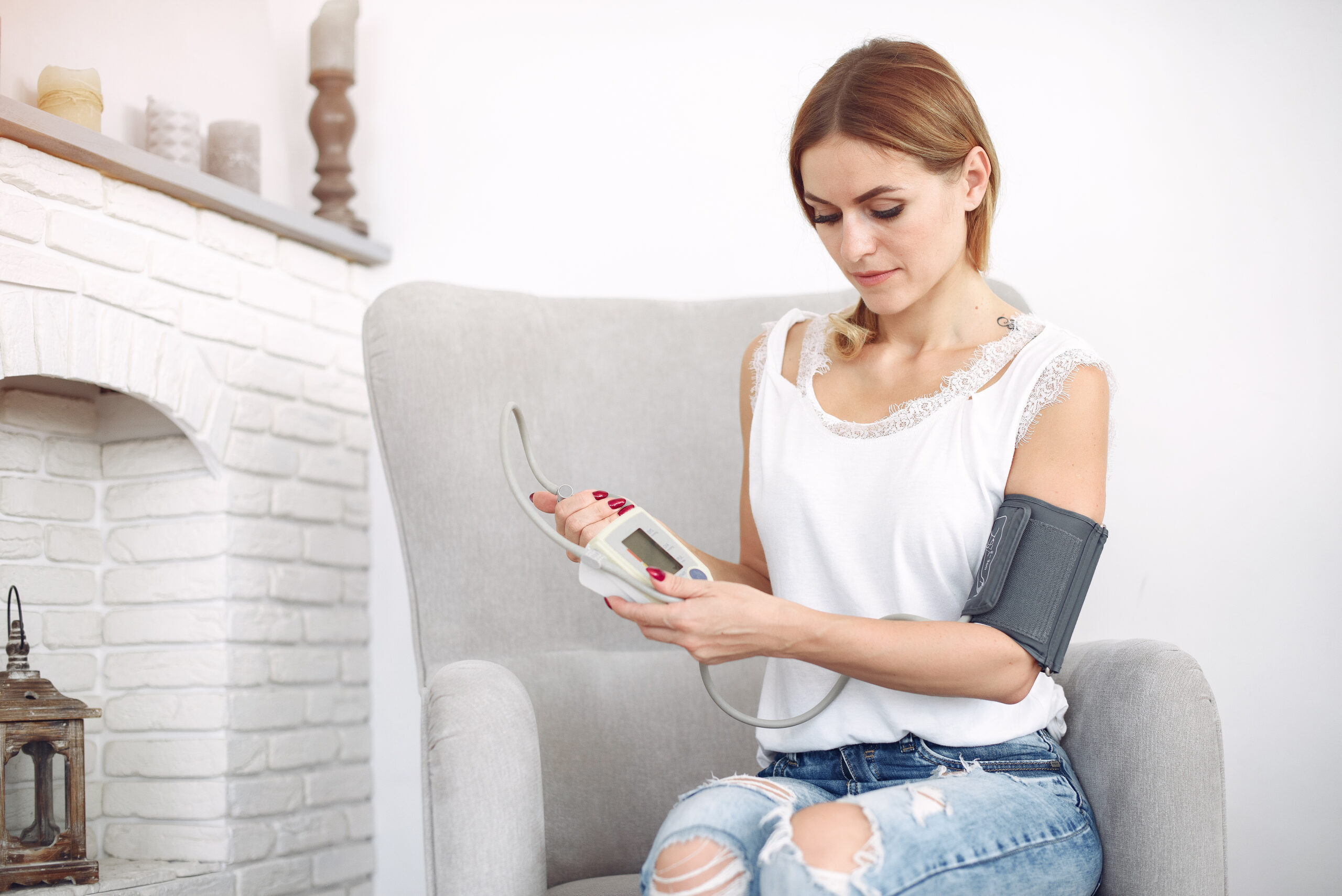
As you make these changes, using a hypertension tracker to monitor your blood pressure helps you see what's working. Regular monitoring can also motivate you to stick with healthy habits when you see the results of your efforts.
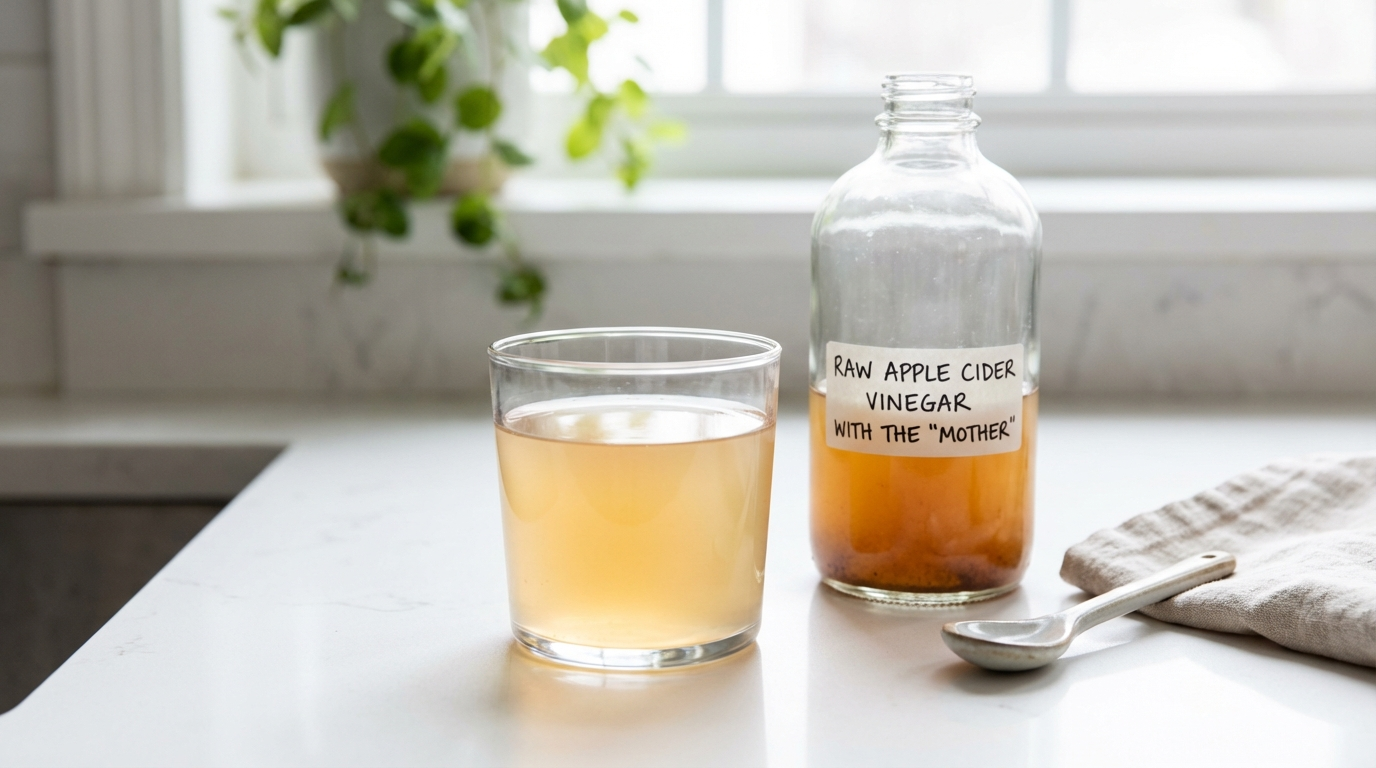
Home remedies are worth checking the same way. Our guide to the question “Does apple cider vinegar lower blood pressure?” shows how to test one against your own readings.