
You check your blood pressure and see 165/105. Just an hour ago, it was 125/80. Your heart races. Is this an emergency? Should you call 911? Take extra medication? Rush to the ER?
Sudden blood pressure spikes are more common than most people realize. They can happen to anyone, even those without a history of hypertension. While most spikes are temporary and harmless, some require immediate medical attention. Understanding the difference can save your life.
This guide explains what causes sudden blood pressure spikes, when they become dangerous, and exactly what to do when your readings suddenly jump.
What Is a Sudden Blood Pressure Spike?
A sudden spike in blood pressure (also called a blood pressure surge) is a rapid increase in your readings within a short time period, typically minutes to a few hours. Medical guidelines define this as:
- A rise of 20-30 mmHg or more in systolic pressure above your usual baseline
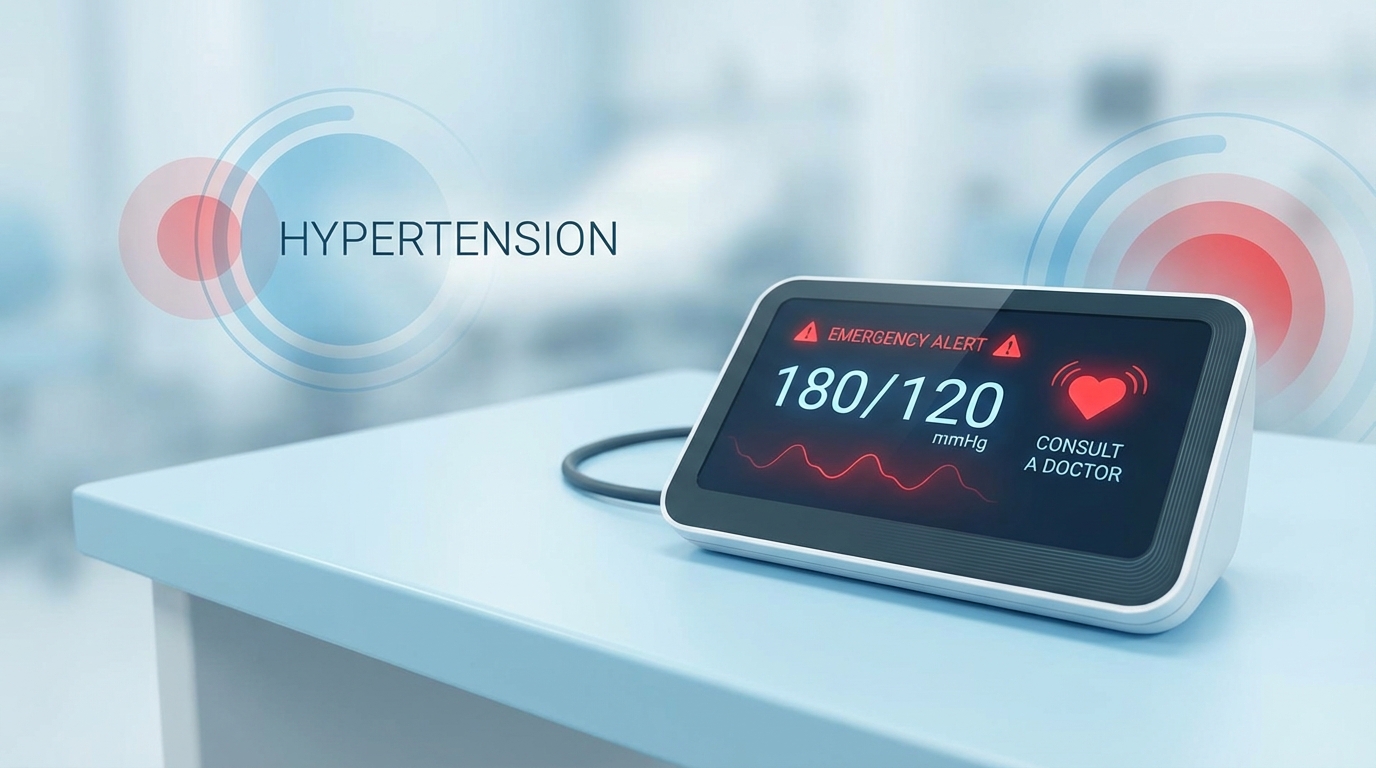
- Any reading that reaches 180/120 mmHg or higher (hypertensive crisis threshold)
- An unexpected elevation that cannot be explained by normal blood pressure variation
Blood pressure naturally fluctuates throughout the day by 10-20 mmHg due to circadian rhythms, activity, meals, and emotions. A spike is different. It is sharper, larger, and often triggered by a specific event or substance.
Blood Pressure Fluctuations Are Normal
Common Causes of Sudden Blood Pressure Spikes
Sudden blood pressure spikes almost always have an identifiable trigger. The most common causes include:
1. Acute Stress and Anxiety
Psychological stress is the most common trigger for blood pressure spikes. During acute stress, your body releases adrenaline and cortisol, hormones that prepare you for fight-or-flight. These hormones increase heart rate and constrict blood vessels, causing systolic pressure to rise by 10-30 mmHg within minutes.
Stress-induced spikes typically occur during arguments, work crises, financial worries, medical procedures, or when receiving bad news. The effect is usually temporary, lasting 20-60 minutes after the stressor is removed.
Blood pressure and anxiety are closely connected. People with anxiety disorders or chronic stress often experience more frequent spikes.
2. Severe or Acute Pain
Pain is a powerful blood pressure trigger. Severe pain from conditions like kidney stones, migraines, injuries, or dental emergencies causes immediate sympathetic nervous system activation. Blood pressure can rise by 20-40 mmHg, sometimes reaching 180/110 or higher, especially in people already on the borderline of hypertension.
The spike persists as long as the pain continues. Once pain is controlled with medication or treatment, blood pressure typically returns to baseline within 30-60 minutes.
3. Caffeine and Stimulants
Caffeine is a vasoconstrictor that temporarily raises blood pressure by 5-15 mmHg in most people. The effect is stronger in those who do not consume caffeine regularly. A large coffee, energy drink, or pre-workout supplement can cause noticeable spikes within 30-60 minutes, with effects lasting 2-4 hours.
Energy drinks that combine caffeine with other stimulants (taurine, guarana, ginseng) can cause even larger spikes, sometimes reaching dangerous levels in people with underlying hypertension. Read more about how coffee affects blood pressure.
4. Missed Blood Pressure Medications
Skipping doses of blood pressure medication is a common cause of rebound hypertension. When medications like beta-blockers, clonidine, or methyldopa are stopped abruptly, blood pressure can surge to dangerous levels within 24-48 hours.
If you forget a dose, do not double up on your next dose without consulting your doctor. Contact your healthcare provider for guidance on how to safely get back on schedule.
5. Over-the-Counter Medications
Many common over-the-counter drugs can raise blood pressure, including:
- NSAIDs (ibuprofen, naproxen, aspirin in high doses) can cause fluid retention and raise blood pressure by 5-10 mmHg
- Decongestants (pseudoephedrine, phenylephrine) found in cold and sinus medicines constrict blood vessels and can spike blood pressure by 10-20 mmHg
- Nasal sprays (oxymetazoline, phenylephrine) have similar effects, especially with prolonged use
- Diet pills and appetite suppressants containing stimulants
- Certain herbal supplements like licorice, yohimbine, and bitter orange
Always check medication labels and consult your pharmacist if you have high blood pressure before using over-the-counter drugs.
6. Dehydration
Dehydration causes blood volume to drop, which initially may lower blood pressure. However, the body compensates by constricting blood vessels and increasing heart rate, which can lead to blood pressure spikes, especially in hot weather or after intense exercise. Learn more about dehydration and blood pressure.
7. Sleep Apnea
Obstructive sleep apnea causes repeated breathing pauses during sleep, leading to oxygen drops and stress hormone surges. Each apnea episode triggers a blood pressure spike. People with severe untreated sleep apnea can have nighttime blood pressure readings 20-30 mmHg higher than their daytime baseline.
Sleep apnea also causes morning blood pressure spikes. If you snore loudly, wake up gasping, or have unexplained morning hypertension, discuss sleep apnea screening with your doctor. Learn more about blood pressure and sleep.
8. Alcohol
Alcohol initially causes blood vessels to dilate, which lowers blood pressure temporarily. However, within 12-24 hours after drinking, blood pressure rebounds and can spike above baseline. Binge drinking (4-5 or more drinks in a sitting) is especially likely to cause next day hypertension.
9. White Coat Syndrome
Blood pressure can spike by 20-30 mmHg or more in medical settings due to anxiety about having blood pressure measured. This phenomenon, called white coat hypertension, affects about 15-30% of people. While the spike is temporary, repeated white coat episodes may predict future sustained hypertension. Learn strategies to manage white coat syndrome.
10. Rare but Serious Causes
In rare cases, sudden blood pressure spikes can be caused by serious medical conditions:
- Pheochromocytoma (adrenaline-secreting tumor) causes episodic spikes with headaches, sweating, and rapid heart rate
- Thyroid storm (severe hyperthyroidism) causes sustained high blood pressure with fever and confusion
- Preeclampsia during pregnancy causes dangerous blood pressure spikes with protein in urine and swelling
- Acute kidney injury or renal artery stenosis
- Recreational drug use (cocaine, amphetamines)
If you have unexplained recurrent blood pressure spikes, especially with symptoms like headaches, palpitations, or sweating, see your doctor for evaluation.
When Is a Blood Pressure Spike an Emergency?
Not all sudden blood pressure spikes are emergencies. The critical factor is whether organ damage is occurring. There are two categories of severely elevated blood pressure:
| Condition | Definition | Action Required |
|---|---|---|
| Hypertensive Emergency | BP ≥180/120 mmHg WITH symptoms (chest pain, shortness of breath, back pain, severe headache, vision changes, confusion, weakness, numbness, seizures) | Call 911 immediately. Organ damage is occurring. Go to the emergency room. |
| Hypertensive Urgency | BP ≥180/120 mmHg WITHOUT symptoms | Wait 5 minutes and recheck. If still elevated, contact your doctor within 1-2 hours for same-day evaluation. Do not go to the ER unless symptoms develop. |
Call 911 If You Have These Symptoms
The distinction between emergency and urgency is critical. Most people with readings of 180/120 or higher have no symptoms (urgency). Only about 1-2% have active organ damage (emergency). If you panic and go to the ER for every high reading without symptoms, you risk unnecessary testing and rapid medication changes that can cause more harm than benefit.
What to Do When You Experience a Blood Pressure Spike
If you check your blood pressure and see a reading significantly higher than your usual baseline, follow these steps:
Step 1: Check for Symptoms
First, assess how you feel. Do you have chest pain, severe headache, shortness of breath, vision changes, confusion, weakness, or numbness? If yes, and your reading is 180/120 or higher, call 911 immediately.
If you have no symptoms, proceed to Step 2.
Step 2: Sit Down and Calm Yourself
Anxiety about the high reading often makes blood pressure go even higher. Sit or lie down comfortably. Take slow, deep breaths (inhale for 4 seconds, exhale for 6 seconds). Close your eyes and try to relax for 5 minutes.
Step 3: Recheck Your Blood Pressure
After 5 minutes of rest, recheck your blood pressure. Make sure you are using correct technique: sit with back supported, feet flat on the floor, arm at heart level, cuff on bare skin, and do not talk during the measurement. Read our guide on how to take accurate blood pressure measurements.
If the reading has come down and is below 160/100, the spike was likely temporary. Continue monitoring throughout the day.
If the reading is still 180/120 or higher but you have no symptoms, proceed to Step 4.
Step 4: Contact Your Doctor
Call your primary care doctor or cardiologist within 1-2 hours. Do not wait until the next day if readings remain at 180/120 or above. Your doctor may:
- Advise you to take an extra dose of your blood pressure medication
- Ask you to come in for same-day evaluation
- Instruct you to go to an urgent care or ER if they cannot see you quickly
- Recommend monitoring at home if they determine the spike is not dangerous
Do Not Self-Medicate
Step 5: Identify and Remove the Trigger
Think about what may have caused the spike. Did you just have a stressful conversation? Drink coffee or an energy drink? Take a decongestant? Skip your blood pressure medication? Experience pain?
If you can identify the trigger, remove it. Move to a quiet space if stressed. Avoid additional caffeine. Take pain medication if appropriate. Drink water if dehydrated.
How to Prevent Blood Pressure Spikes
While you cannot prevent all blood pressure spikes, you can reduce their frequency and severity with these strategies:
1. Take Medications Consistently
Never skip doses of blood pressure medication. Set phone reminders or use a pill organizer. If you have trouble affording medications, talk to your doctor about lower-cost alternatives or patient assistance programs.
2. Manage Stress
Chronic stress is one of the biggest drivers of blood pressure spikes. Practice stress management techniques like deep breathing, meditation, yoga, regular exercise, adequate sleep, and time in nature. Consider therapy if you have anxiety or chronic stress. Read more about stress and blood pressure.
3. Limit Caffeine and Stimulants
If you are prone to blood pressure spikes, limit caffeine to 200 mg per day (about 2 cups of coffee). Avoid energy drinks, pre-workout supplements, and diet pills containing stimulants. Spread caffeine intake throughout the day rather than consuming large amounts at once.
4. Maintain a Healthy Lifestyle
Regular exercise, a healthy diet (like the DASH diet), weight loss if overweight, limiting alcohol to 1-2 drinks per day, and quitting smoking all help stabilize blood pressure and reduce the risk of spikes. Read about exercises to lower blood pressure and foods that lower blood pressure.
5. Get Tested for Sleep Apnea
If you snore, wake up gasping, have morning headaches, or have unexplained morning hypertension, get screened for sleep apnea. Treatment with CPAP therapy can dramatically reduce nighttime blood pressure spikes and improve overall blood pressure control.
6. Avoid Medications That Raise Blood Pressure
Check with your doctor or pharmacist before taking any new medication, including over-the-counter drugs and supplements. Avoid NSAIDs, decongestants, and nasal sprays if possible. Use alternatives like acetaminophen for pain and saline nasal rinses for congestion.
Tracking and Managing Blood Pressure Spikes
If you experience frequent blood pressure spikes, keeping a detailed log is essential for diagnosis and treatment. Record:
- Date and time of each reading
- Systolic and diastolic numbers
- Any symptoms you experienced
- Potential triggers (stress, caffeine, pain, medication changes)
- Activities in the hour before the spike (exercise, eating, arguments)
Cardilog makes it easy to track blood pressure trends, log symptoms, and identify patterns. The app can help you and your doctor understand what triggers your spikes and whether your current treatment plan is working.
When to See a Doctor About Blood Pressure Spikes
See your doctor if you experience:
- Repeated spikes to 160/100 or higher without obvious triggers
- Multiple episodes of readings above 180/120, even without symptoms
- Blood pressure that stays elevated for more than 2-3 hours after a spike
- Spikes accompanied by recurring symptoms like headaches, palpitations, or sweating
- Difficulty controlling blood pressure despite taking medications as prescribed
- Morning spikes above 140/90 along with snoring or daytime fatigue (possible sleep apnea)
Your doctor may adjust your medications, order additional testing (24-hour ambulatory blood pressure monitor, sleep study, hormone tests), or refer you to a cardiologist or hypertension specialist.
If that referral is slow to arrange, you can also talk to a cardiologist by video about the pattern in your readings. That is for the unhurried conversation about repeated spikes, not for a spike happening right now.
The Bottom Line
Sudden blood pressure spikes are common and usually temporary. Most are triggered by stress, pain, caffeine, or medication issues and resolve within 30-60 minutes. The key is knowing when a spike becomes dangerous.
If your blood pressure reaches 180/120 or higher AND you have symptoms like chest pain, severe headache, shortness of breath, or vision changes, call 911 immediately. If you have no symptoms, sit down, calm yourself, recheck in 5 minutes, and contact your doctor within 1-2 hours if it remains elevated.
Managing blood pressure spikes requires identifying your triggers, taking medications consistently, managing stress, avoiding stimulants, and maintaining a healthy lifestyle. Track your readings and work closely with your healthcare provider to keep your blood pressure under control.