
Nocturnal dipping: why your blood pressure should fall at night
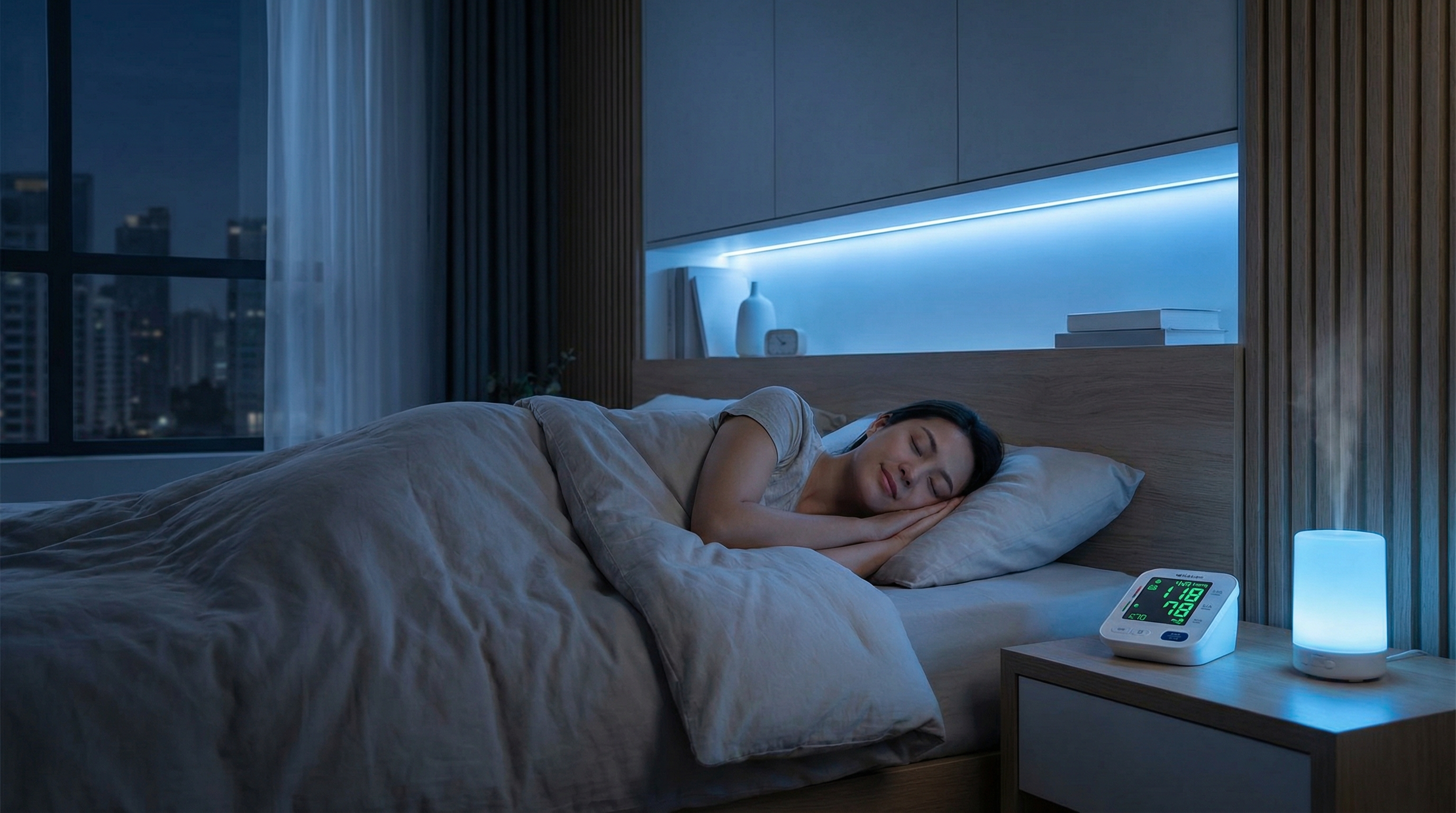
In healthy adults, blood pressure follows a predictable 24-hour cycle. During the day, it rises in response to activity, stress, meals, and the natural surge of wakefulness hormones like cortisol and adrenaline. At night, as you sleep, blood pressure drops significantly, typically 10-20% below daytime levels.
This nighttime drop is called nocturnal dipping, and it is not just a side effect of lying down. It reflects deep recovery processes: the parasympathetic nervous system (rest and digest mode) becomes dominant, heart rate slows, blood vessels relax, and kidneys regulate fluid balance. This nightly rest period for the cardiovascular system is essential for long-term heart health.
| Dipping Pattern | Nighttime BP Drop | Cardiovascular Risk | Common Causes |
|---|---|---|---|
| Normal dipper | 10-20% drop | Baseline risk | Healthy sleep, normal circadian rhythm |
| Non-dipper | Less than 10% drop | 2-3x higher risk | Sleep apnea, shift work, high salt, chronic stress |
| Reverse dipper | BP higher at night | 3-4x higher risk | Severe sleep apnea, autonomic dysfunction, heart failure |
| Extreme dipper | More than 20% drop | 1.5-2x higher risk | Orthostatic hypotension, medication timing, dehydration |
Non-dippers and reverse dippers face dramatically elevated risk of stroke, heart attack, left ventricular hypertrophy (enlarged heart), kidney disease, and dementia. The blood vessels and organs never get a break from high pressure, leading to accelerated damage. Identifying a non-dipping pattern often requires 24-hour ambulatory blood pressure monitoring, since standard daytime measurements miss the problem entirely.
When to ask for 24-hour monitoring
The sleep apnea and hypertension connection
Obstructive sleep apnea (OSA) is one of the most powerful drivers of high blood pressure and the leading cause of resistant hypertension (high blood pressure that does not respond to three or more medications). About 50-80% of people with sleep apnea have hypertension, and 30-40% of people with hypertension have undiagnosed sleep apnea.
How sleep apnea raises blood pressure
- Intermittent hypoxia: Each apnea episode (pause in breathing) drops oxygen levels in the blood. The body responds by triggering a fight-or-flight stress response to force you to breathe again, spiking adrenaline and blood pressure.
- Sympathetic nervous system overactivity: The repeated oxygen drops and arousals from sleep keep the sympathetic nervous system in overdrive even during the day, maintaining chronically elevated blood pressure.
- Impaired baroreceptor function: Chronic apnea blunts the sensitivity of baroreceptors (pressure sensors in blood vessels), making it harder for the body to regulate blood pressure automatically.
- Hormonal changes: Sleep apnea increases aldosterone and renin levels, promoting sodium retention and fluid volume expansion, which raises blood pressure.
Even mild sleep apnea increases hypertension risk. A 2022 study in Current Hypertension Reports found that 89% of young adults (ages 18-35) with unexplained hypertension had underlying obstructive sleep apnea when tested. The relationship is dose-dependent: higher apnea-hypopnea index (AHI) scores correlate with higher blood pressure.
Signs you may have sleep apnea
• Waking up with headaches, dry mouth, or sore throat
• Excessive daytime sleepiness despite adequate time in bed
• Witnessed breathing pauses during sleep (partner report)
• Waking frequently to urinate (nocturia)
• High blood pressure that is hard to control with medication
If you have these symptoms, talk to your doctor about a sleep study. Treating sleep apnea can reduce blood pressure by 2-10 mmHg and may allow medication reduction.
Sleep deprivation and blood pressure
Even one night of sleep deprivation can raise blood pressure. Short-term sleep restriction increases systolic blood pressure by 5-10 mmHg the following day. Chronic short sleep (less than 6 hours per night) raises hypertension risk by 20-30% compared to sleeping 7-8 hours.
| Average Sleep Duration | Hypertension Risk | Typical Population |
|---|---|---|
| Less than 5 hours | +30-40% | Severe sleep deprivation, insomnia |
| 5-6 hours | +20-30% | Chronic short sleepers, shift workers |
| 7-8 hours | Baseline (lowest risk) | Recommended adult sleep duration |
| 9+ hours | +10-20% (U-shaped curve) | Oversleepers, underlying health issues |
Why does sleep deprivation raise blood pressure? Multiple mechanisms are at work:
- Sympathetic activation: Lack of sleep keeps the sympathetic nervous system activated, maintaining higher baseline heart rate and vascular resistance.
- Cortisol elevation: Sleep deprivation raises cortisol levels, which promotes sodium and fluid retention and increases blood pressure.
- Impaired vascular function: Short sleep reduces nitric oxide availability and increases endothelial inflammation, making blood vessels less able to dilate properly.
- Disrupted circadian rhythm: Irregular sleep patterns desynchronize the internal clock that regulates blood pressure cycles, preventing proper nocturnal dipping.
Circadian rhythm and blood pressure regulation
Your circadian rhythm (internal 24-hour clock) regulates far more than sleep. It controls hormone release, body temperature, metabolism, and cardiovascular function. Blood pressure follows a strict circadian pattern: lowest around 2-4 AM, rising sharply in the 1-2 hours after waking (morning surge), peaking in late afternoon, and gradually falling into the night.
This rhythm is controlled by clock genes in every cell of the body, with a master pacemaker in the brain's suprachiasmatic nucleus. When your sleep schedule is irregular, inconsistent, or disrupted (shift work, jet lag, chronic insomnia), the circadian clock becomes desynchronized. Blood pressure variability increases, nocturnal dipping disappears, and morning surges become exaggerated.
Sleep consistency matters more than you think
Best strategies to improve sleep and lower blood pressure
Sleep hygiene fundamentals
- Fixed schedule: Go to bed and wake up at the same time every day, including weekends. Consistency reinforces circadian alignment.
- Dark, cool, quiet bedroom: Aim for 60-67°F, blackout curtains or an eye mask, and white noise or earplugs if needed. Light exposure at night suppresses melatonin and disrupts sleep.
- Limit screen time before bed: Blue light from phones, tablets, and computers inhibits melatonin production. Stop screens 1-2 hours before bed, or use blue-light-blocking glasses.
- Avoid caffeine after 2 PM: Caffeine has a half-life of 5-6 hours. Afternoon coffee can still be in your system at bedtime, making it harder to fall asleep and reducing deep sleep quality.
- Limit alcohol: Alcohol may make you drowsy initially but disrupts REM sleep and causes middle-of-the-night awakenings. It also worsens sleep apnea.
Treating sleep apnea
Continuous positive airway pressure (CPAP) is the gold standard treatment for obstructive sleep apnea. It keeps airways open during sleep, eliminating apnea episodes and restoring normal oxygen levels. CPAP reduces blood pressure by 2-10 mmHg on average, with the greatest benefit in people with severe apnea or resistant hypertension.
Other treatments include oral appliances (mandibular advancement devices), positional therapy (avoiding back sleeping), weight loss (even 10% body weight reduction can significantly improve apnea), and in some cases, surgery to remove airway obstructions.
Stress reduction and relaxation techniques
Chronic stress and anxiety are common barriers to quality sleep. Practices like meditation, progressive muscle relaxation, and deep breathing exercises activate the parasympathetic nervous system, counteracting the stress response and promoting relaxation. Even 10-15 minutes before bed can improve sleep onset and quality.
For more on the stress and blood pressure link, see our guide on stress and blood pressure.
When to measure blood pressure relative to sleep
Timing matters when measuring blood pressure at home. The American Heart Association recommends measuring twice daily: once in the morning within 1 hour of waking (before breakfast or medication) and once in the evening before bed. Both readings should be taken after sitting quietly for 5 minutes.
Morning readings capture the peak of the circadian surge, while evening readings reflect your pre-sleep baseline. Tracking both over time helps you and your doctor understand your blood pressure pattern and whether medications are controlling it throughout the day.
Use a blood pressure log to record readings with timestamps. Note if you slept poorly, woke up frequently, or feel unusually tired. These contextual details help interpret spikes or unusual patterns.
The bottom line
Sleep is not optional for cardiovascular health. It is as essential as diet, exercise, and medication for managing blood pressure. Poor sleep quality, short sleep duration, irregular schedules, and untreated sleep apnea all raise blood pressure and cardiovascular risk.
The good news: improving sleep can deliver measurable blood pressure reductions in a matter of weeks. Prioritize 7-8 hours of consistent, high-quality sleep each night. If you suspect sleep apnea or struggle with chronic insomnia, seek medical evaluation. For more on managing blood pressure through lifestyle, explore our articles on exercises to lower blood pressure and foods that lower blood pressure.