

Why blood pressure drops during pregnancy
Pregnancy triggers dramatic changes in your cardiovascular system. Within the first few weeks, your blood volume begins to expand, eventually increasing by 40-50% by the third trimester. Your heart rate increases by 10-20 beats per minute, and your heart pumps 30-50% more blood with each beat. These adaptations are necessary to support the growing placenta and baby.
At the same time, rising progesterone levels relax the smooth muscle in your blood vessel walls. This reduces vascular resistance, the force your heart has to work against to pump blood. Lower resistance means lower blood pressure. The combination of expanded blood volume distributed over relaxed, widened vessels results in the characteristic drop in blood pressure seen in the second trimester.
Your growing uterus also plays a role. When you lie flat on your back, especially in the second and third trimesters, the uterus can compress the inferior vena cava, the large vein that returns blood from your lower body to your heart. This reduces the amount of blood returning to the heart, which lowers cardiac output and blood pressure. This is why lying on your left side is recommended during pregnancy.
Normal blood pressure ranges by trimester
Blood pressure follows a predictable pattern across the three trimesters. Your baseline blood pressure, measured at your first prenatal visit before hormonal changes take full effect, serves as the reference point. For most healthy women with normal blood pressure before pregnancy, the ranges below are typical.
| Trimester | Typical Systolic BP | Typical Diastolic BP | What Happens |
|---|---|---|---|
| Pre-pregnancy baseline | 110-120 mmHg | 70-80 mmHg | Your normal resting blood pressure before conception |
| First trimester (1-12 weeks) | 110-120 mmHg | 70-80 mmHg | Blood pressure similar to pre-pregnancy or slightly lower |
| Second trimester (13-26 weeks) | 100-115 mmHg | 60-75 mmHg | Blood pressure drops 5-10 mmHg, reaching its lowest around 20-24 weeks |
| Third trimester (27-40 weeks) | 110-120 mmHg | 70-80 mmHg | Blood pressure gradually returns closer to first trimester levels |
| Postpartum (after delivery) | Returns to baseline | Returns to baseline | Usually normalizes within days to weeks after delivery |
The second-trimester dip is a normal physiological response. If your blood pressure was 115/75 before pregnancy and drops to 105/65 in the second trimester, this is expected and not concerning unless you have symptoms. By the third trimester, your blood pressure usually returns to near-baseline levels as your blood volume peaks and your circulatory system compensates.
Symptoms of low blood pressure in pregnancy
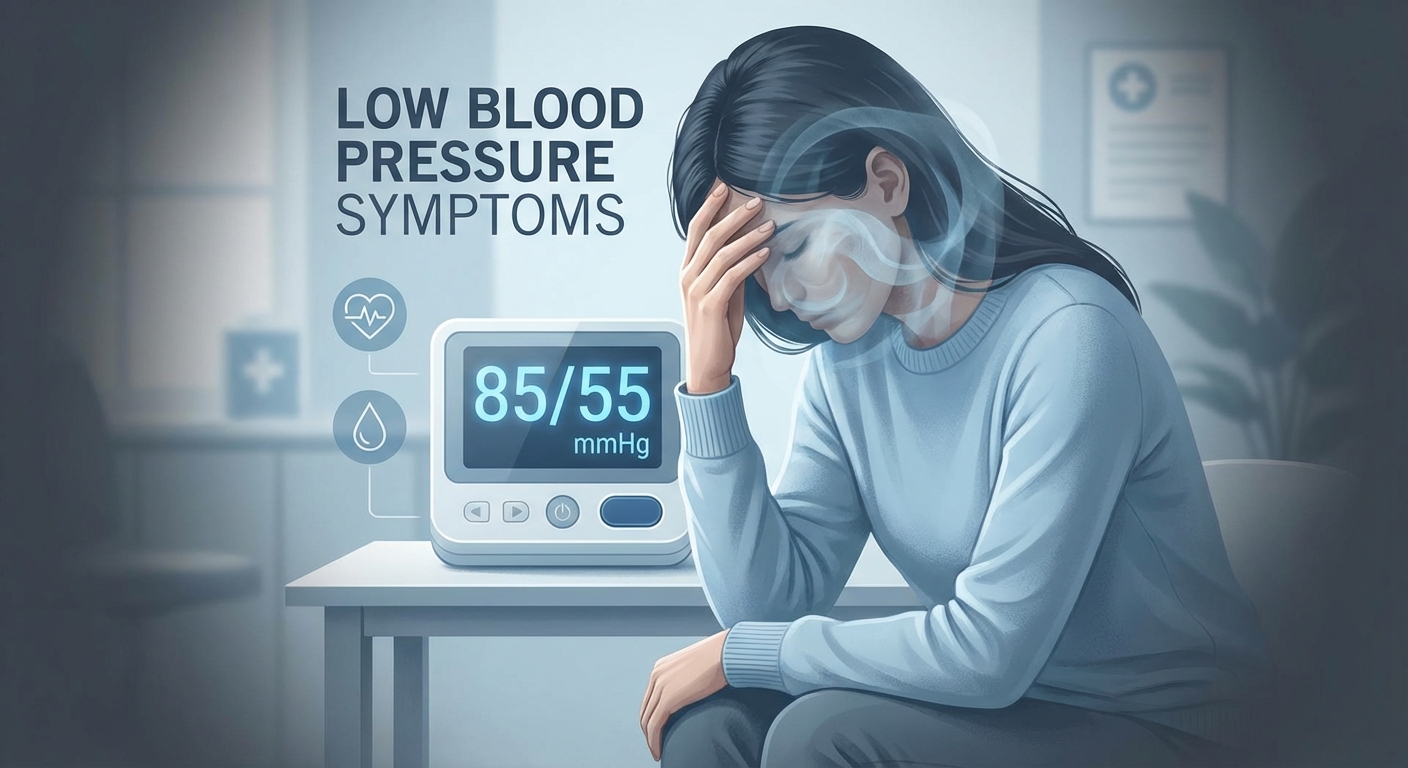
Many women with low blood pressure during pregnancy feel perfectly fine. The drop is gradual, and your body adapts. However, some women experience symptoms, particularly when blood pressure drops suddenly or falls below their normal tolerance level. The most common symptoms include:
- Dizziness or lightheadedness, especially when standing up quickly from sitting or lying down. This is called orthostatic hypotension and happens when blood pressure drops suddenly with position changes.
- Blurred vision or seeing spots, particularly when standing. This happens because blood flow to the brain temporarily decreases.
- Nausea, sometimes accompanied by a feeling of being too warm or clammy. This can be related to reduced blood flow or low blood sugar.
- Fatigue and weakness, feeling unusually tired even after resting. Low blood pressure can reduce oxygen delivery to muscles and tissues.
- Fainting (syncope), especially in hot, crowded places or after standing still for a long time. This is your body's emergency response when blood pressure drops too low to maintain adequate brain blood flow.
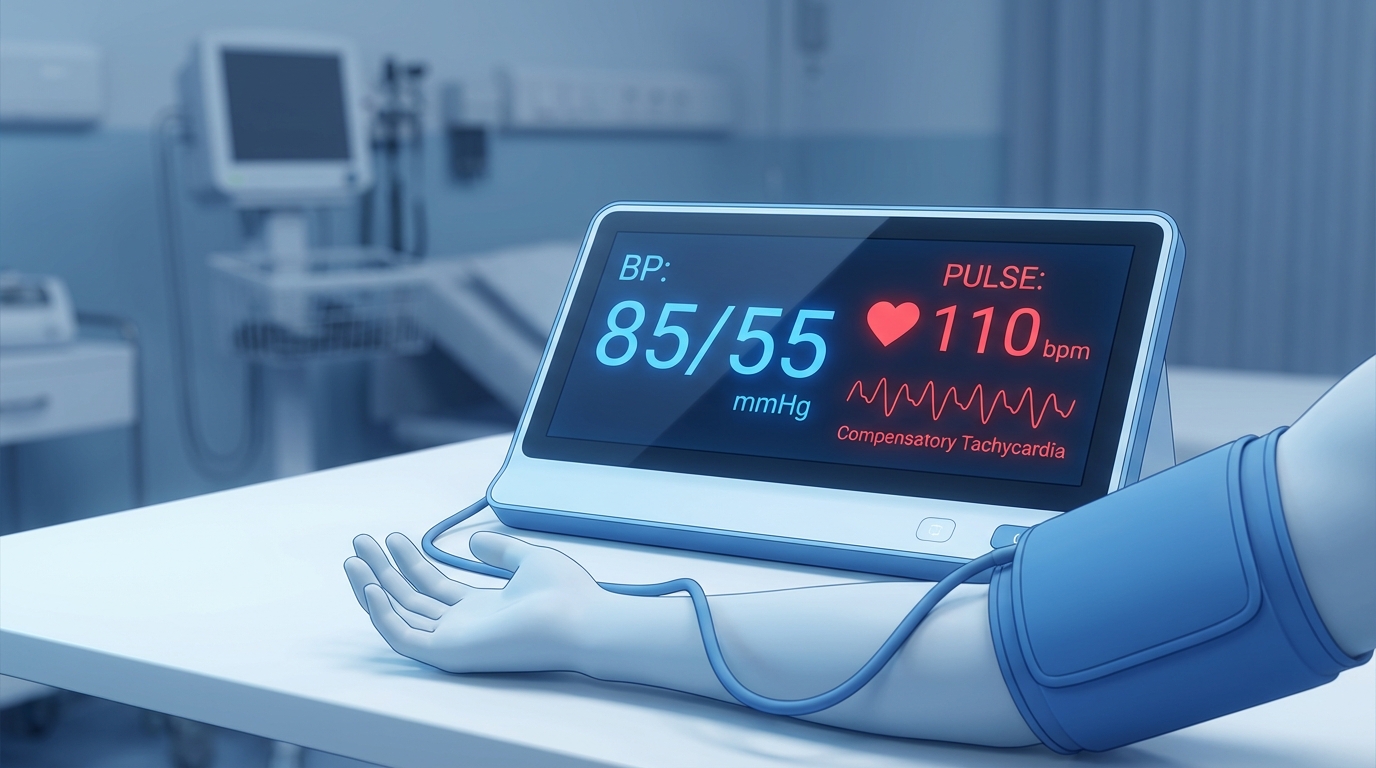
- Rapid or irregular heartbeat, as your heart tries to compensate for low blood pressure by beating faster to maintain cardiac output.
- Cold, clammy skin, sometimes with pale appearance. This can indicate reduced blood flow to the skin.
If you experience any of these symptoms frequently or severely, mention them to your midwife or doctor. They will check for underlying causes like dehydration, anemia, or heart rhythm problems that may need treatment.
When low blood pressure becomes concerning
For most pregnant women, low blood pressure is harmless and resolves on its own. However, certain situations require medical attention. The key is distinguishing between normal physiological hypotension and signs of a more serious problem.
Call your doctor or midwife if you experience
Severe dizziness that does not improve when you sit or lie down, or that makes it difficult to function normally
Chest pain, shortness of breath, or a rapid, pounding heartbeat, which could indicate a heart problem or severe hypotension
Persistent nausea and vomiting that prevents you from keeping food or fluids down, which can worsen dehydration and hypotension
Confusion, difficulty concentrating, or extreme fatigue, which could indicate that your brain is not getting enough oxygen
Signs of dehydration such as dark urine, dry mouth, decreased urination, or extreme thirst
Any vaginal bleeding or abdominal pain combined with low blood pressure, which could indicate complications like placental abruption or ectopic pregnancy
Severe hypotension can reduce blood flow to the placenta, potentially limiting oxygen and nutrients to your baby. While this is rare with the mild hypotension typical of normal pregnancy, it can happen if you have significant dehydration, blood loss, severe anemia, or an underlying heart condition.
Low blood pressure vs high blood pressure in pregnancy
It is important to understand the difference between low and high blood pressure during pregnancy, because the risks and management are completely different.
| Feature | Low Blood Pressure (Hypotension) | High Blood Pressure (Hypertension / Preeclampsia) |
|---|---|---|
| Typical onset | Second trimester (20-24 weeks) | After 20 weeks (gestational hypertension, preeclampsia) |
| Cause | Hormonal changes (progesterone), expanded circulation | Abnormal placental development, vascular dysfunction |
| Common symptoms | Dizziness, lightheadedness, fatigue, fainting | Often no symptoms; severe cases: headache, vision changes, abdominal pain |
| Risk to baby | Low risk if mild; severe hypotension can reduce placental blood flow | High risk: growth restriction, placental abruption, preterm birth |
| Risk to mother | Low risk; main concern is falls from fainting | High risk: seizures (eclampsia), stroke, organ damage, death |
| Treatment | Hydration, dietary changes, compression stockings, positional adjustments | Close monitoring, medication, or delivery of baby (only cure) |
| When to worry | Frequent fainting, severe dizziness, chest pain, confusion | Blood pressure 140/90 or higher, headache, vision changes, upper right abdominal pain |
The two conditions are unrelated. Having low blood pressure in the second trimester does not protect you from developing high blood pressure later. In fact, some women experience hypotension in mid-pregnancy and then develop gestational hypertension or preeclampsia in the third trimester. This is why your blood pressure is monitored at every prenatal visit throughout pregnancy. Learn more about high blood pressure during pregnancy and how it differs from normal hypotension.
How to manage low blood pressure safely during pregnancy
If you are experiencing symptoms of low blood pressure, simple lifestyle adjustments can make a big difference. These strategies help improve blood flow and reduce the risk of dizziness and fainting.
Stay well hydrated
Dehydration is one of the most common triggers of low blood pressure during pregnancy. When you are dehydrated, your blood volume decreases, which lowers blood pressure further. Aim for at least 8-10 glasses (about 2-2.5 liters) of water per day, more if you are active or in a hot climate. Carry a water bottle with you and sip throughout the day.
Eat small, frequent meals
Large meals can cause postprandial hypotension, where blood pressure drops after eating because blood is diverted to the digestive system. Eating smaller, more frequent meals (5-6 times per day) helps keep your blood sugar and blood pressure more stable. Include a balance of protein, healthy fats, and complex carbohydrates in each meal.
Increase salt intake moderately
Sodium helps your body retain water, which increases blood volume and can raise blood pressure. If your doctor confirms that your low blood pressure is causing symptoms and you do not have risk factors for preeclampsia, slightly increasing your salt intake may help. Add a pinch of salt to meals, eat naturally salty foods like olives or pickles, or drink broth. Do not overdo it. Always discuss this with your provider first.
Stand up slowly
Orthostatic hypotension, the sudden drop in blood pressure when you stand up, is very common during pregnancy. To minimize dizziness:
- Move in stages: from lying down, first sit up and pause for 10-15 seconds, then stand slowly.
- Flex your feet and clench your calf and thigh muscles a few times before standing to help pump blood back to your heart.
- If you feel lightheaded after standing, sit or lie down immediately and elevate your legs.
- Avoid standing still in one place for long periods. Shift your weight, march in place, or walk around to keep blood circulating.
Sleep and rest on your left side
Lying on your back, especially in the second and third trimesters, can compress the inferior vena cava and reduce blood return to your heart, lowering blood pressure further. Sleeping on your left side takes pressure off this major vein and improves blood flow to your heart and placenta. Use pillows to support your belly and back to stay comfortable.
Wear compression stockings
Medical-grade compression stockings help prevent blood from pooling in your legs and can reduce orthostatic hypotension. They are especially helpful if you have to stand for long periods. Ask your doctor or midwife for recommendations on the right compression level (usually 15-20 mmHg for pregnancy).
Avoid prolonged hot showers or baths
Heat causes blood vessels to dilate, which can lower blood pressure further. If you feel dizzy or lightheaded in the shower or bath, keep the water temperature warm (not hot), limit time in the water, and have a chair or stool nearby to sit on if you feel faint.
Medical evaluation and underlying causes
If your low blood pressure is causing significant symptoms or is unusually low, your doctor will investigate possible underlying causes. While most cases of hypotension in pregnancy are physiological and harmless, certain medical conditions can contribute:
| Condition | How It Lowers Blood Pressure | How It Is Diagnosed |
|---|---|---|
| Anemia (low red blood cell count) | Reduces oxygen-carrying capacity; body compensates by dilating vessels | Full blood count (hemoglobin and hematocrit levels) |
| Dehydration | Reduces blood volume | Clinical assessment, urine color, blood tests for electrolytes |
| Heart valve problems or arrhythmias | Impairs heart pumping efficiency | Physical exam, ECG, echocardiogram if needed |
| Hypoglycemia (low blood sugar) | Triggers compensatory responses that can lower blood pressure | Blood glucose testing, dietary review |
| Thyroid disorders (hypothyroidism) | Slows metabolism and reduces cardiac output | Blood tests for thyroid-stimulating hormone (TSH) and thyroid hormones |
| Adrenal insufficiency (rare) | Reduces production of cortisol and aldosterone, which regulate blood pressure | Blood tests for cortisol and ACTH levels |
Your doctor may order blood tests to check for anemia, thyroid function, blood sugar levels, and electrolyte imbalances. If a heart problem is suspected, you may be referred to a cardiologist for further evaluation, including an electrocardiogram (ECG) or echocardiogram.
What happens to blood pressure after delivery
After you give birth, your blood pressure usually returns to your pre-pregnancy baseline within a few days to weeks. Hormone levels drop rapidly after delivery, and your blood volume begins to decrease as your body sheds the extra fluid accumulated during pregnancy. Most women notice that symptoms of low blood pressure, such as dizziness and fatigue, improve quickly postpartum.
However, some women experience a temporary spike in blood pressure 3-6 days after delivery due to fluid shifts as the body reabsorbs excess fluid. Your blood pressure will be checked before you leave the hospital and again at your postpartum visits. If your blood pressure remains consistently low beyond 6-12 weeks postpartum, your doctor will investigate other potential causes unrelated to pregnancy.
Low blood pressure and long-term health
Unlike high blood pressure in pregnancy, which increases long-term cardiovascular risk, low blood pressure during pregnancy does not appear to have lasting effects on heart health. Most women with hypotension in pregnancy return to normal blood pressure after delivery with no increased risk of future problems.
However, if you had severe or symptomatic hypotension, it is worth discussing with your primary care doctor or cardiologist at your postpartum follow-up, especially if symptoms persist. Occasionally, underlying conditions like thyroid disorders or adrenal insufficiency that were unmasked during pregnancy may need ongoing management.
The bottom line
Low blood pressure during pregnancy is very common, particularly in the second trimester when progesterone levels peak and blood vessels relax. For most women, it is a normal physiological response to pregnancy and does not pose a risk to mother or baby. Symptoms like dizziness, lightheadedness, and fatigue are manageable with simple strategies: staying hydrated, eating small frequent meals, standing up slowly, and resting on your left side.
However, if you experience frequent fainting, severe dizziness, chest pain, or other concerning symptoms, talk to your doctor. They will rule out underlying causes like anemia, dehydration, or heart problems and ensure that your blood pressure is not affecting your baby. Learn more about how to raise low blood pressure safely when needed.
Most importantly, continue to attend all prenatal appointments so your blood pressure can be monitored throughout pregnancy. While low blood pressure in mid-pregnancy is normal, some women go on to develop high blood pressure later, which requires close monitoring and treatment. Early detection and proactive management keep both you and your baby safe.