
What is low blood pressure (hypotension)?
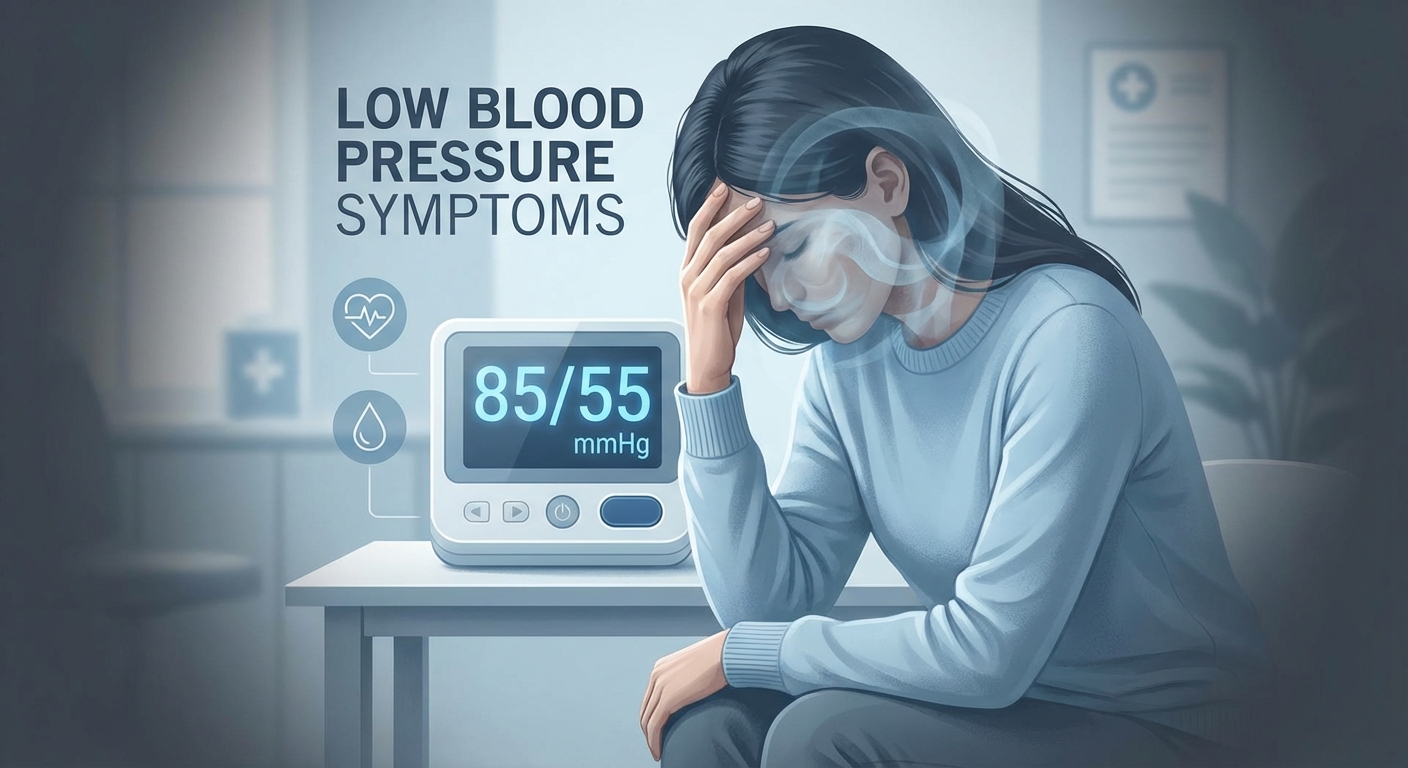
Low blood pressure, or hypotension, is generally defined as a reading below 90/60 mmHg. But this threshold is not absolute. Some people naturally have lower blood pressure and feel perfectly fine. Athletes, for example, often have readings like 100/60 or even lower due to highly efficient cardiovascular systems.
Low blood pressure only becomes a medical concern when it causes symptoms or when it drops suddenly. The key question is not "what is the number?" but "is the blood pressure adequate to perfuse your organs?" If your brain, kidneys, and heart are getting enough blood flow, the number itself does not matter.
Normal vs concerning low BP
Common symptoms of low blood pressure
When blood pressure drops below the threshold your body needs, you may experience one or more of these symptoms:
- Dizziness or lightheadedness: The most common symptom, especially when standing up quickly (orthostatic hypotension). Your brain is not getting enough blood flow temporarily.
- Blurred or tunnel vision: Vision changes occur because the retina and visual cortex are highly sensitive to blood flow reductions. Tunnel vision (peripheral vision fading to black) is a classic warning sign that you may faint.
- Nausea: Reduced blood flow to the digestive system can trigger nausea or an uneasy feeling in your stomach.
- Fatigue and weakness: Chronic low blood pressure can leave you feeling tired, sluggish, and unable to concentrate because your muscles and brain are not receiving optimal oxygen delivery.
- Cold, clammy, or pale skin: When blood pressure drops, your body redirects blood away from the skin toward vital organs, causing cool, sweaty, or pale skin.
- Rapid, shallow breathing: Your body tries to compensate for low blood flow by increasing oxygen intake.
- Fainting (syncope): If blood pressure drops too low, you may lose consciousness. Fainting is your brain shutting down non-essential functions to preserve critical systems.
- Confusion or difficulty concentrating: Low blood flow to the brain impairs cognitive function. If you feel confused or disoriented, low blood pressure may be severe.
Not everyone with low blood pressure experiences all these symptoms. You may only notice dizziness when standing, or you may feel chronically fatigued without realizing blood pressure is the cause.
Symptom severity levels
Low blood pressure symptoms range from mild and transient to life-threatening. Understanding the severity helps you know when to rest, when to see a doctor, and when to call emergency services.
| Severity Level | Symptoms | Blood Pressure Range | Action Required |
|---|---|---|---|
| Mild | Brief dizziness when standing, mild fatigue, occasional lightheadedness | 85-95 / 55-65 mmHg | Monitor symptoms; mention to doctor at next visit; increase salt and fluid intake if not contraindicated |
| Moderate | Frequent dizziness, blurred vision, persistent fatigue, cold or clammy skin, difficulty concentrating | 75-85 / 50-55 mmHg | See your doctor within 1-2 days; avoid sudden position changes; stay hydrated |
| Severe | Fainting, confusion, rapid weak pulse (over 100 bpm), nausea or vomiting, chest discomfort, severe weakness | 70-75 / 45-50 mmHg or sudden drop of more than 20 mmHg | Seek medical attention within hours; may need emergency evaluation if symptoms persist or worsen |
| Critical / Shock | Altered mental state or confusion, loss of consciousness, rapid shallow breathing, cold pale clammy skin, rapid weak pulse (over 120 bpm), chest pain | Below 70 / 45 mmHg (or any reading with shock symptoms) | Call 000 immediately; lie down with legs elevated; do not attempt to stand |
Emergency warning signs
Types of hypotension and their symptoms
Orthostatic hypotension (postural hypotension)
Orthostatic hypotension occurs when blood pressure drops suddenly after standing up. Normally, your body compensates by constricting blood vessels and increasing heart rate within seconds. In orthostatic hypotension, this reflex is delayed or insufficient.
Clinically, it is defined as a drop of at least 20 mmHg systolic or 10 mmHg diastolic within 3 minutes of standing. Up to 20% of people over age 65 experience this, and it significantly increases fall risk.
Typical symptoms: Sudden dizziness or lightheadedness within seconds to 3 minutes of standing, feeling like you might faint, tunnel or blurred vision, weakness in the legs, confusion. Symptoms resolve quickly if you sit or lie down.
Postprandial hypotension
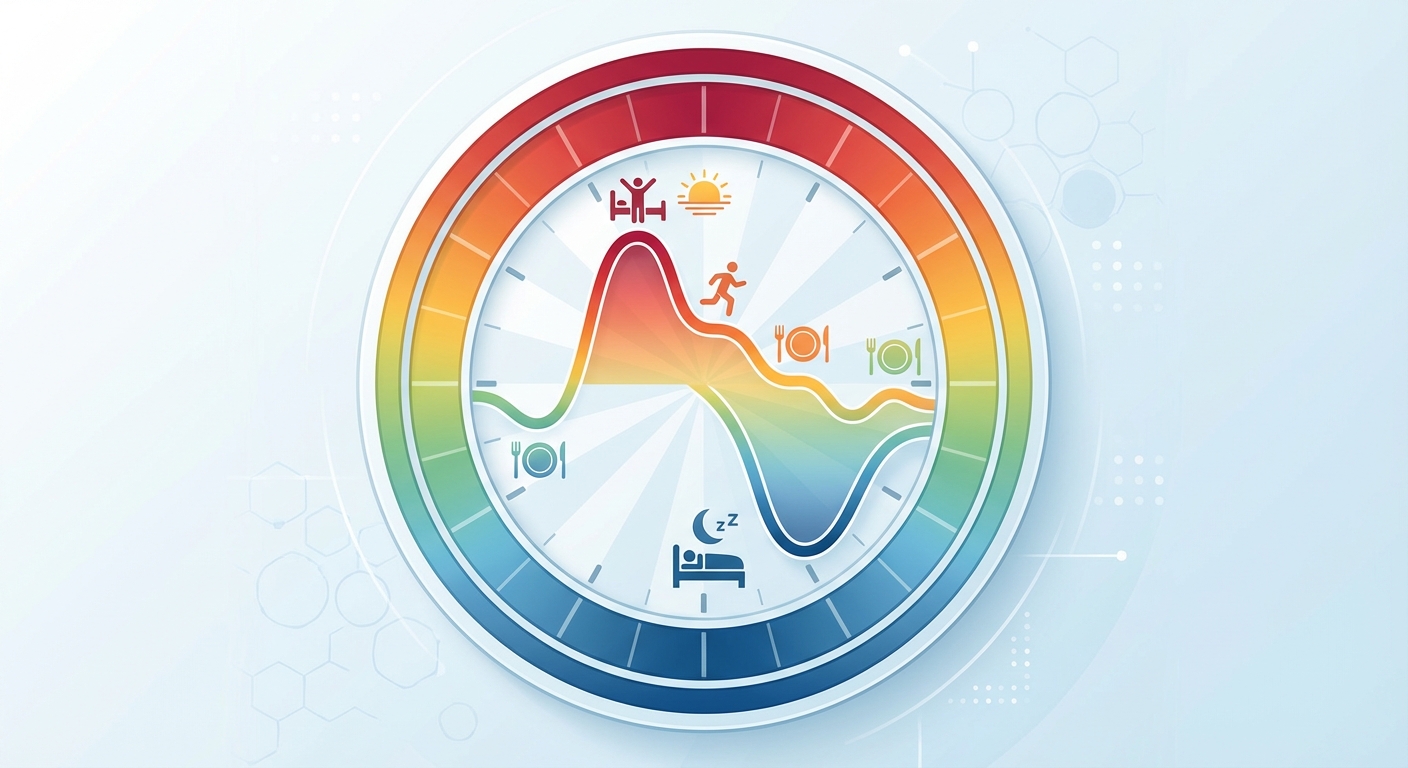
Blood pressure can drop significantly after eating a large meal, especially meals high in carbohydrates. Blood pools in the digestive system to aid digestion, and in some people, the cardiovascular system does not compensate adequately.
This type of hypotension is more common in older adults and people with Parkinson disease or autonomic dysfunction. Symptoms typically occur within 30 minutes to 2 hours after eating.
Typical symptoms: Lightheadedness, dizziness, fatigue, weakness, or fainting 30-120 minutes after eating. Smaller, more frequent meals often reduce symptoms. Learn more about how blood pressure changes after eating.
Neurally mediated hypotension (vasovagal syncope)
This occurs when the vagus nerve overreacts to a trigger (emotional stress, standing for long periods, pain, blood draw, hot environment) and signals the heart to slow down and blood vessels to dilate. Blood pressure and heart rate drop suddenly, often causing fainting.
Typical symptoms: A prodrome (warning phase) with nausea, warmth, sweating, pale skin, tunnel vision, followed by fainting if you do not lie down. Recovery is usually rapid once horizontal.
Low blood pressure symptoms by age and gender
Symptoms in women
Women experience hypotension symptoms more frequently than men, particularly during specific life stages:
- Menstruation: Hormonal changes and blood loss during periods can lower blood pressure, causing fatigue, dizziness, and fainting.
- Pregnancy: Blood pressure naturally drops during the first and second trimesters as blood vessels dilate. This is normal, but it can cause dizziness and fatigue. Read more about blood pressure during pregnancy.
- Menopause: Hormonal shifts can affect blood pressure regulation, leading to more frequent orthostatic symptoms.
Symptoms in elderly people
Older adults are at higher risk for symptomatic hypotension due to:
- Reduced baroreceptor sensitivity: The body's reflexes that adjust blood pressure become slower with age.
- Medications: Blood pressure medications, diuretics, and medications for Parkinson disease or depression can lower BP excessively.
- Dehydration: Older adults often do not feel thirsty and may not drink enough fluids. Learn how dehydration affects blood pressure.
- Autonomic dysfunction: Conditions like diabetes and Parkinson disease impair the autonomic nervous system's ability to regulate blood pressure.
The most dangerous symptom in older adults is orthostatic hypotension, because the sudden dizziness when standing leads to falls, which can cause hip fractures, head injuries, and loss of independence. If you are over 65 and experience frequent dizziness when standing, talk to your doctor about adjusting medications or adding fall prevention strategies.
Symptoms in men
Men generally experience hypotension symptoms less frequently than women, but when symptoms do occur, they tend to be similar: dizziness, fatigue, and fainting. Men are more likely to have low blood pressure due to heart conditions, blood loss, or medication side effects rather than hormonal changes.
What causes low blood pressure symptoms?
Symptoms occur when blood pressure drops low enough that organs do not receive adequate blood flow. This can happen acutely (suddenly) or chronically. Common causes include:
- Dehydration: Reduced blood volume from not drinking enough fluids, vomiting, diarrhea, or excessive sweating.
- Blood loss: Internal or external bleeding reduces blood volume, dropping pressure rapidly.
- Heart problems: Bradycardia (very slow heart rate), heart valve issues, heart attack, or heart failure can prevent the heart from pumping adequate blood.
- Medications: Blood pressure medications, diuretics, alpha blockers, beta blockers, Parkinson medications, antidepressants, and erectile dysfunction drugs can all lower blood pressure.
- Endocrine disorders: Underactive thyroid (hypothyroidism), adrenal insufficiency (Addison disease), or low blood sugar (hypoglycemia) can cause hypotension.
- Severe infection (sepsis): Septic shock causes blood vessels to dilate excessively, dropping blood pressure to life-threatening levels.
- Anaphylaxis: Severe allergic reactions cause sudden, dangerous blood pressure drops.
- Nutritional deficiencies: Lack of vitamin B12 or folate can lead to anemia, which reduces oxygen delivery and may lower blood pressure.
When to see a doctor vs when to call emergency
Use this guide to decide whether your symptoms require immediate attention or can wait for a routine appointment:
| Situation | Symptoms | Action |
|---|---|---|
| Routine appointment | Occasional mild dizziness when standing; chronic fatigue without other symptoms; single fainting episode with full recovery | Schedule a doctor visit within 1-2 weeks; track BP at home and log symptoms |
| Same-day or next-day appointment | Frequent dizziness or fainting; persistent fatigue with cold skin; new symptoms after starting medication; dizziness with fast heart rate | Call your doctor; request appointment within 24-48 hours; avoid driving if dizzy |
| Urgent care / ED visit | Fainting with slow recovery; repeated fainting episodes; severe weakness; chest discomfort; confusion or difficulty thinking clearly | Go to urgent care or emergency department; do not drive yourself |
| Call 000 immediately | Loss of consciousness; confusion or altered mental state; chest pain; rapid weak pulse over 120 bpm; cold, pale, clammy skin; rapid shallow breathing; signs of shock | Call emergency services; lie down with legs elevated; do not attempt to stand or walk |
What to do if you feel symptoms of low blood pressure
If you experience sudden dizziness, lightheadedness, or feel like you might faint:
- Sit or lie down immediately: Do not try to push through it. Fainting and falling can cause serious injury. If possible, lie flat with your legs elevated above heart level to help blood return to your brain.
- Drink water: If dehydration is the cause, fluids will help. Avoid caffeine and alcohol.
- Do not stand up quickly: When you feel better, sit up slowly, wait a minute, then stand gradually.
- Check your blood pressure if possible: If you have a home blood pressure monitor, take a reading while seated and again while standing to detect orthostatic hypotension. Use a blood pressure log to track patterns.
- Identify triggers: Was it after standing up, after a meal, in a hot environment, or after taking medication? Recognizing patterns helps your doctor diagnose the cause.
Preventing orthostatic symptoms
Diagnosing the cause of hypotension symptoms
Your doctor will take a detailed history, perform a physical exam, and may order tests to determine why you are experiencing low blood pressure symptoms:
- Orthostatic vital signs: Blood pressure and heart rate are measured lying down, then again 1 and 3 minutes after standing to detect orthostatic hypotension.
- Blood tests: To check for anemia, blood sugar, thyroid function, kidney function, and electrolyte imbalances.
- ECG (electrocardiogram): To detect heart rhythm abnormalities or bradycardia.
- Echocardiogram: Ultrasound of the heart to evaluate heart valve function and pumping strength.
- Tilt table test: You lie on a table that tilts upward to simulate standing while blood pressure and heart rate are continuously monitored. This helps diagnose neurally mediated hypotension or orthostatic hypotension.
The bottom line
Low blood pressure symptoms occur when your blood pressure drops below the level your body needs to function properly. The most common symptoms are dizziness, lightheadedness, fatigue, and fainting, especially when standing up quickly.
Many people with naturally low blood pressure feel fine and need no treatment. But if you experience symptoms regularly, or if they are severe, see your doctor. Identifying the underlying cause, whether it is dehydration, medication, or a heart condition, is essential for effective treatment.
Track your blood pressure at home using a hypertension tracker and note when symptoms occur. This data helps your doctor understand your patterns and adjust treatment accordingly. If symptoms are severe or accompanied by confusion, chest pain, or loss of consciousness, seek emergency care immediately.