
You sit down for a large meal, finish eating, and within 30 minutes you feel lightheaded. Your heart races a bit. Maybe you feel like you need to lie down. This is not just post-meal drowsiness. For millions of people, especially older adults, it is postprandial hypotension, a condition where blood pressure drops significantly after eating.
First identified in the 1930s, postprandial hypotension affects up to one-third of nursing home residents and about 24% of older adults living independently. Despite being common, it is often underdiagnosed because symptoms are dismissed as normal aging or attributed to other causes.
Understanding how eating affects your blood pressure can help you recognize warning signs, prevent dangerous drops, and time your measurements correctly if you monitor blood pressure at home.
What Is Postprandial Hypotension?
Postprandial hypotension is defined as a drop in systolic blood pressure of 20 mmHg or more within 2 hours of eating a meal. Some medical definitions also include cases where systolic blood pressure falls below 90 mmHg after eating, even if the drop is less than 20 mmHg.
In healthy young people, blood pressure may dip slightly after eating, typically by 5-10 mmHg, but the body compensates quickly. In people with postprandial hypotension, this compensation fails. Blood pressure can drop by 30-40 mmHg or more, sometimes reaching dangerously low levels.
Why Blood Pressure Drops After Eating
When you eat, your body directs a significant amount of blood to your stomach and intestines to aid digestion. This process, called splanchnic blood pooling, can sequester 500-800 mL of blood in the abdominal area during and after a meal.
Normal Compensation Mechanisms
In healthy individuals, the body compensates for this blood shift through several mechanisms:
- Heart rate increases by 5-15 beats per minute to maintain cardiac output
- Blood vessels constrict in non-digestive areas to preserve overall blood pressure
- Sympathetic nervous system activates to tighten blood vessel walls and boost circulation
- Baroreceptors in arteries detect pressure changes and trigger compensatory responses
When Compensation Fails
In people with postprandial hypotension, one or more of these compensation mechanisms do not work properly:
- Blunted sympathetic response: The nervous system fails to constrict blood vessels adequately
- Impaired baroreceptor sensitivity: Pressure sensors in arteries do not respond to blood pressure drops
- Inadequate heart rate increase: Heart does not speed up enough to compensate
- Vasodilatory hormones: Insulin and gastrointestinal peptides released during digestion may widen blood vessels excessively
Research shows that the mechanism is multifactorial. Small intestinal nutrient delivery, gastric distension, and hormonal changes all play a role. People with autonomic nervous system dysfunction are especially vulnerable.
Who Is at Risk?
Postprandial hypotension is rare in healthy young adults but becomes increasingly common with age. Studies show the following risk groups:
| Risk Group | Prevalence | Key Factors |
|---|---|---|
| Nursing home residents | 24-36% | Advanced age, multiple medications, frailty |
| Community-dwelling older adults (60+) | 20-24% | Age-related autonomic decline |
| Parkinson disease patients | 40-60% | Autonomic nervous system degeneration |
| Type 2 diabetes patients | 20-40% | Diabetic autonomic neuropathy |
| Chronic autonomic failure | 60-80% | Severe sympathetic dysfunction |
| Hypertension patients on medication | 15-30% | BP meds amplify post-meal drops |
Other risk factors include taking diuretics (especially in the morning), having a history of syncope or falls, dehydration, prolonged bed rest, and eating large high-carbohydrate meals.
How Different Foods Affect Blood Pressure
Not all meals cause the same blood pressure response. Research shows that meal size and macronutrient composition significantly affect the magnitude and duration of post-meal blood pressure changes.
Meal Size
Studies comparing small and large meals found that larger meals cause larger blood pressure drops. In one study of patients with autonomic failure, large meals caused systolic blood pressure to drop to 88 mmHg compared to 104 mmHg with smaller meals. Diastolic pressure also fell more with large meals (48 mmHg vs 63 mmHg).
Carbohydrates vs Protein vs Fat
High-carbohydrate meals, especially those rich in simple sugars, cause the largest blood pressure drops. This is partly because carbohydrates trigger insulin release, which has vasodilatory effects. Glucose also stimulates the release of gastrointestinal hormones that may lower blood pressure.
Protein-rich meals cause smaller blood pressure changes. Some studies suggest that protein may even slightly raise blood pressure post-meal, although the data is mixed.
Fat delays gastric emptying, which can slow the blood pressure drop but may prolong the overall hypotensive period.
Foods That May Spike Blood Pressure
While eating generally lowers blood pressure acutely, certain foods can raise blood pressure over the hours following a meal:
- High-sodium foods: Processed meats, canned soups, salty snacks, pickled foods, and restaurant meals can increase blood pressure 4-6 hours after eating
- Added sugars: Processed foods with high-fructose corn syrup and refined sugars increase salt sensitivity and may raise blood pressure chronically
- Saturated fats: High intake is linked to higher blood pressure over time, though acute effects vary
It is important to note that even salty or sugary foods can still trigger postprandial hypotension in susceptible people during the first 1-2 hours after eating, because digestion itself causes blood pressure to drop. The sodium and sugar effects appear later.
Foods That Help Prevent Blood Pressure Drops
To minimize postprandial hypotension, focus on:
- Lean protein sources: Chicken, fish, eggs, Greek yogurt
- Non-starchy vegetables: Leafy greens, broccoli, cauliflower, peppers
- Potassium-rich foods: Bananas, avocados, spinach, sweet potatoes (support stable blood pressure)
- Fiber-rich foods: Beans, lentils, oats (slow digestion and glucose absorption)
Reducing refined carbohydrates and sweets can make a significant difference. One study using the medication acarbose, which blocks carbohydrate absorption, showed that slowing carbohydrate digestion reduced the blood pressure drop after meals.
Alcohol and Blood Pressure
Alcohol significantly amplifies postprandial hypotension. It causes vasodilation (widening of blood vessels) and impairs the sympathetic nervous system response. Studies show that even moderate alcohol consumption with meals can double the magnitude of blood pressure drops. Avoid alcohol if you experience post-meal dizziness.
Symptoms of Postprandial Hypotension
Symptoms typically appear 30 to 90 minutes after eating and may include:
- Dizziness or lightheadedness, especially when standing
- Fainting or near-fainting (syncope or presyncope)
- Blurred vision or visual disturbances
- Weakness or fatigue beyond normal post-meal tiredness
- Nausea
- Chest discomfort or palpitations
- Falls (a major concern in older adults)
Many people with postprandial hypotension are asymptomatic but still have measurable blood pressure drops. Silent postprandial hypotension is associated with increased cardiovascular risk even without obvious symptoms.
When to Measure Blood Pressure Around Meals
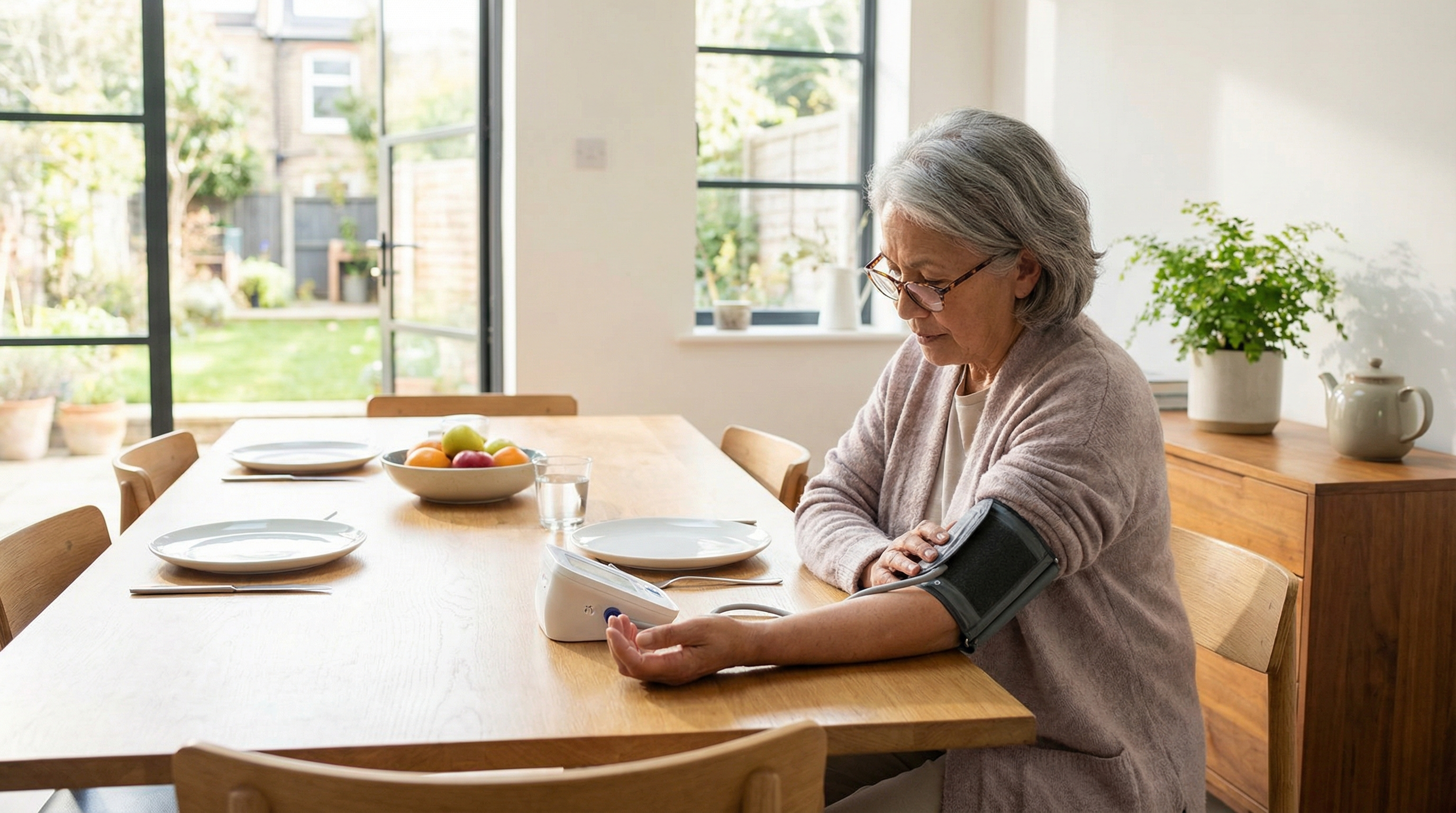
Timing your blood pressure measurements correctly is crucial, especially if you track readings at home.
For Routine Monitoring
To get an accurate resting blood pressure reading:
- Measure before meals, especially in the morning before breakfast
- If measuring after eating, wait at least 30 minutes, ideally 1-2 hours
- Sit quietly for 5 minutes before measuring and follow standard blood pressure measurement guidelines
Measuring within 30 minutes of eating may give artificially low readings that do not reflect your true baseline blood pressure.
For Diagnosing Postprandial Hypotension
If you suspect postprandial hypotension, track blood pressure:
- Just before eating (0 minutes)
- 30 minutes after finishing your meal
- 60 minutes after the meal
- 90 minutes after the meal
Record symptoms at each time point. Bring this data to your doctor. A drop of 20 mmHg systolic or a post-meal reading below 90 mmHg systolic warrants medical evaluation.
Risks and Complications
Postprandial hypotension is not just a nuisance. It is linked to serious health outcomes:
- Falls and fractures: Dizziness after meals increases fall risk, especially in older adults. Falls can cause hip fractures, head injuries, and loss of independence
- Syncope and injuries: Fainting episodes can lead to trauma
- Stroke: Studies show an association between postprandial hypotension and increased stroke risk
- Cardiovascular events: Higher rates of heart attack and cardiovascular death
- Cognitive decline: Chronic low blood flow to the brain after meals may contribute to dementia
- Kidney damage: Recurrent blood pressure drops can impair kidney perfusion over time
One study found that postprandial hypotension is an independent predictor of higher mortality in older adults. Another study described it as a "silent killer" in the aged because it is underreported and often goes untreated.
How to Prevent Post-Meal Blood Pressure Drops
If you experience postprandial hypotension, several lifestyle strategies can help:
Dietary Adjustments
- Eat smaller, more frequent meals (5-6 small meals instead of 2-3 large ones)
- Reduce carbohydrate intake, especially refined carbs and sugary foods
- Increase protein in meals
- Avoid alcohol, particularly with meals
- Limit very hot foods and beverages (heat can worsen vasodilation)
Hydration
Drink 12-16 ounces (350-500 mL) of water 15 minutes before meals. Water increases blood volume and can raise blood pressure acutely. Studies show this simple intervention can reduce the severity of postprandial hypotension.
Physical Activity
- Take a short walk after eating (10-15 minutes of light walking starting 20 minutes after the meal)
- Stay upright for at least 1-2 hours after meals (avoid lying down immediately)
- Avoid strenuous exercise within 2 hours of eating if you have postprandial hypotension
One study found that 10 minutes of mild aerobic walking after breakfast increased mean arterial pressure by 18 mmHg in elderly patients with postprandial hypotension.
Medication Timing
If you take blood pressure medications, work with your doctor to adjust timing:
- Avoid taking diuretics before large meals
- Consider shifting some blood pressure medications to bedtime instead of morning
- Do not stop or change medications without medical supervision
Medical Treatments
For severe cases, your doctor may recommend:
- Caffeine: A cup of coffee before meals can help prevent blood pressure drops, though tolerance develops with regular use
- Acarbose: This medication slows carbohydrate absorption and has been shown to reduce postprandial hypotension
- Midodrine or fludrocortisone: Medications that raise blood pressure, used in refractory cases
- Octreotide: A hormone analog that can prevent splanchnic blood pooling, typically reserved for severe autonomic failure
Related Conditions and Considerations
Several related issues affect blood pressure variability around meals:
Dehydration
Dehydration reduces blood volume and worsens postprandial hypotension. If you are prone to low blood pressure after eating, maintaining adequate hydration throughout the day is essential. Learn more about how dehydration affects blood pressure.
Normal Blood Pressure by Age
Understanding what normal blood pressure looks like at your age helps you identify abnormal drops. Postprandial hypotension is diagnosed relative to your baseline. Check our guide on normal blood pressure ranges by age to understand your target.
Blood Pressure Chart
If you are tracking blood pressure before and after meals, use a blood pressure chart to categorize your readings and identify patterns. See our blood pressure chart by age and gender for reference ranges.
DASH Diet Considerations
The DASH diet is designed to lower blood pressure long-term through balanced nutrition. If you have postprandial hypotension, you can still follow DASH principles but may need to adjust meal size and carbohydrate portions. Learn more about the DASH diet for blood pressure management.
Foods That Lower Blood Pressure Long-Term
While meal timing and size matter for preventing acute drops, certain foods help lower blood pressure over weeks and months. Explore our guide on foods that lower blood pressure for evidence-based dietary strategies.
When to See a Doctor
Seek medical evaluation if you experience:
- Repeated dizziness or lightheadedness within 1-2 hours of eating
- Fainting or near-fainting after meals
- Falls that may be related to post-meal dizziness
- Documented blood pressure drops of 20 mmHg or more after eating
- Symptoms that interfere with daily activities or quality of life
Your doctor can perform tests to confirm postprandial hypotension, rule out other causes of symptoms, and recommend appropriate treatment. This may include adjusting current medications, ordering autonomic function tests, or screening for underlying conditions like diabetes or Parkinson disease.
The Bottom Line
Blood pressure normally dips slightly after eating as your body directs blood to the digestive system. For most people, this is a minor, asymptomatic change. But for older adults and those with certain medical conditions, postprandial hypotension can cause dangerous drops in blood pressure that lead to dizziness, falls, and serious health complications.
Meal size and composition matter. Large, high-carbohydrate meals cause the biggest drops. Smaller, protein-rich meals paired with adequate hydration and a short post-meal walk can prevent or minimize symptoms.
If you monitor blood pressure at home, measure before meals or wait at least 30 minutes after eating to get accurate baseline readings. If you suspect postprandial hypotension, track readings before and after meals and share the data with your doctor.