
Understanding low blood pressure (hypotension)
Low blood pressure, or hypotension, is generally defined as blood pressure below 90/60 mmHg. Unlike high blood pressure, low blood pressure is not always a problem. Many people have naturally low readings and feel perfectly fine. It only becomes a concern when it causes symptoms or indicates an underlying health issue.
Common symptoms include dizziness, lightheadedness (especially when standing up), fainting, blurred vision, fatigue, nausea, cold or clammy skin, and difficulty concentrating. If you experience these symptoms regularly, raising your blood pressure may improve your quality of life significantly.
When low blood pressure is serious
Natural ways to raise blood pressure
1. Increase salt intake (carefully)
Sodium helps the body retain fluid, which increases blood volume and raises blood pressure. For most people with low blood pressure, increasing daily sodium intake by 1-2 grams can make a noticeable difference.
The average person consumes 3-4 grams of sodium per day. People with symptomatic hypotension may benefit from 4-6 grams daily, but this should always be discussed with a doctor first. Too much sodium can worsen heart failure, kidney disease, or cause fluid retention and swelling.
Salt is not for everyone
Easy ways to add sodium:
- Salted nuts, pretzels, or crackers as snacks
- Add a pinch of salt to meals
- Use soy sauce or miso in cooking
- Drink electrolyte solutions or sports drinks
- Eat pickles, olives, cheese, or cured meats
2. Drink more water
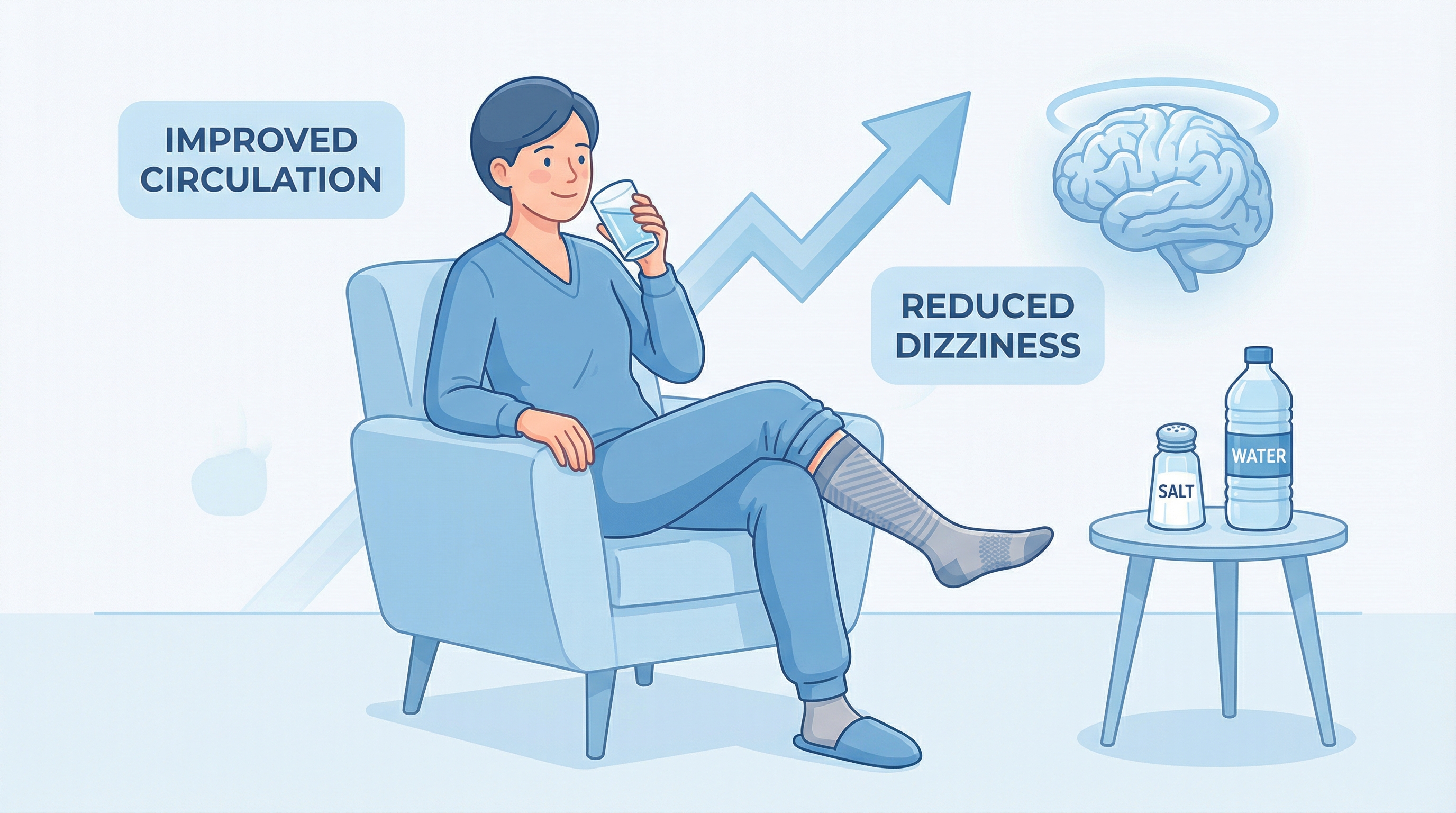
Dehydration is one of the most common causes of low blood pressure. Drinking 2-3 litres of water daily keeps blood volume optimal and prevents hypotension, especially in hot weather or after exercise.
Research shows that drinking 500 ml of water rapidly (within 5 minutes) can increase systolic blood pressure by 10-20 mmHg within 15-30 minutes. This effect, called the water-induced pressor response, is particularly strong in people with autonomic nervous system dysfunction.
Practical hydration strategies:
- Drink a full glass of water before getting out of bed in the morning
- Carry a water bottle and sip throughout the day
- Drink extra fluids during hot weather or after sweating
- Avoid alcohol, which dehydrates and lowers blood pressure further
- Include hydrating foods like watermelon, cucumber, and soups
For more on how dehydration affects blood pressure, see our article on dehydration and blood pressure.
3. Wear compression stockings
Compression stockings apply gentle pressure to the legs, preventing blood from pooling in the lower body. This is especially helpful for orthostatic hypotension, where blood pressure drops when you stand up.
Clinical studies show that waist-high or thigh-high medical-grade compression stockings (15-30 mmHg) can raise systolic blood pressure by 5-10 mmHg. Knee-high stockings provide less benefit because blood can still pool in the thighs.
Tips for using compression stockings effectively:
- Choose waist-high or thigh-high stockings for maximum effect
- Put them on before getting out of bed in the morning
- Wear them during the day, especially when standing or walking
- Medical-grade compression (15-30 mmHg) is more effective than athletic compression socks
- Some people also benefit from abdominal binders, which prevent blood pooling in the abdomen
4. Eat small, frequent meals
Large meals, especially those high in carbohydrates, can cause postprandial hypotension (low blood pressure after eating). Blood is diverted to the digestive system, which can drop systolic pressure by 10-20 mmHg for 1-2 hours after eating.
To prevent this:
- Eat 5-6 small meals instead of 3 large ones
- Reduce carbohydrate portion sizes (less bread, pasta, rice, potatoes in one sitting)
- Include protein and healthy fats, which digest more slowly
- Avoid large meals right before standing or walking
- Lie down or sit for 30-60 minutes after eating if needed
Read more about how meal timing affects blood pressure in our guide on blood pressure after eating.
5. Change positions slowly
Standing up quickly is a common trigger for dizziness and fainting in people with low blood pressure. When you stand, gravity pulls blood into your legs, and your body needs a moment to adjust and pump blood back up to your brain.
Strategies to prevent orthostatic hypotension:
- Sit on the edge of the bed for 1-2 minutes before standing in the morning
- Pump your legs and flex your calf muscles before standing
- Cross your legs when sitting or standing to increase pressure
- Tense your thigh and glute muscles when you feel lightheaded
- Avoid prolonged standing in one spot (shift your weight from leg to leg)
- Do not stand still in hot showers (sit on a shower chair if needed)
6. Use caffeine strategically
Caffeine temporarily raises blood pressure by 3-10 mmHg for 1-3 hours after consumption. A cup of coffee or black tea in the morning can provide a helpful boost for people with morning hypotension.
However, regular caffeine users develop tolerance, so the blood pressure effect diminishes over time. Caffeine works best when used intermittently, not as a constant crutch. Avoid drinking caffeine late in the day, as it can interfere with sleep quality.
For more on caffeine's impact, see our article on whether coffee raises blood pressure.
7. Raise the head of your bed
Sleeping with your head elevated by 10-15 centimetres (using a wedge pillow or raising the bed frame) helps reduce nighttime fluid shifts and prevents early morning hypotension. This is especially helpful if you wake up feeling dizzy or faint.
The slight incline activates your body's natural blood pressure regulation system overnight, making it easier to stand up in the morning without a sudden drop.
Comparison: natural vs medical treatments
| Intervention | Effectiveness | Speed | Who It Helps Most |
|---|---|---|---|
| Increased salt intake | +5-10 mmHg | Days to weeks | People with low sodium, no heart/kidney disease |
| Drinking 500 ml water | +10-20 mmHg | 15-30 minutes | Orthostatic hypotension, autonomic dysfunction |
| Compression stockings (thigh-high) | +5-10 mmHg | Immediate | Orthostatic hypotension, blood pooling |
| Small frequent meals | +5-10 mmHg | Prevents drops after eating | Postprandial hypotension |
| Caffeine (coffee) | +3-10 mmHg | 1-3 hours | Morning hypotension, occasional use |
| Fludrocortisone (medication) | +10-20 mmHg | Days to weeks | Severe hypotension, orthostatic issues |
| Midodrine (medication) | +15-30 mmHg | 30-60 minutes | Symptomatic orthostatic hypotension |
When medical treatment is needed
If lifestyle changes do not improve symptoms after 2-4 weeks, or if low blood pressure is causing frequent fainting, falls, or significantly impacting your daily life, medical treatment may be necessary.
Medications for low blood pressure
Fludrocortisone: A synthetic steroid that helps the kidneys retain sodium and fluid, increasing blood volume. It is taken once daily and is often the first medication tried for chronic hypotension. Side effects can include low potassium, fluid retention, and headaches.
Midodrine: A vasoconstrictor that tightens blood vessels, raising blood pressure within 30-60 minutes. It is taken 2-3 times daily, typically before activities that trigger symptoms. It should not be taken within 4 hours of bedtime, as it can cause dangerous supine hypertension (high blood pressure while lying down).
Droxidopa: Converts to norepinephrine in the body, raising blood pressure. Used for neurogenic orthostatic hypotension in conditions like Parkinson's disease or autonomic failure.
Pyridostigmine: Enhances nerve signals that regulate blood pressure. Sometimes used for mild orthostatic hypotension, especially in people who cannot tolerate other medications.
Treating the underlying cause
Low blood pressure is sometimes a symptom of another condition:
- Medication side effects: Many medications lower blood pressure, including diuretics, beta-blockers, alpha-blockers, antidepressants, and erectile dysfunction drugs. Your doctor may adjust dosages or switch medications.
- Endocrine disorders: Low thyroid, adrenal insufficiency (Addison's disease), or low blood sugar can cause hypotension. Treating the hormone imbalance resolves the blood pressure issue.
- Heart conditions: Bradycardia (slow heart rate), heart valve problems, or heart failure can prevent the heart from pumping enough blood, lowering pressure.
- Dehydration or blood loss: Severe diarrhea, vomiting, bleeding, or inadequate fluid intake can cause acute hypotension that requires medical intervention.
- Nutritional deficiencies: Low vitamin B12, folate, or iron can reduce red blood cell production, causing anemia-related hypotension.
Lifestyle habits that support healthy blood pressure
In addition to the specific interventions above, these daily habits help maintain stable blood pressure:
- Stay active: Regular moderate exercise strengthens the cardiovascular system and improves blood vessel tone. Avoid prolonged sitting or standing in one position.
- Limit alcohol: Alcohol dehydrates and dilates blood vessels, lowering pressure. If you drink, stay well-hydrated.
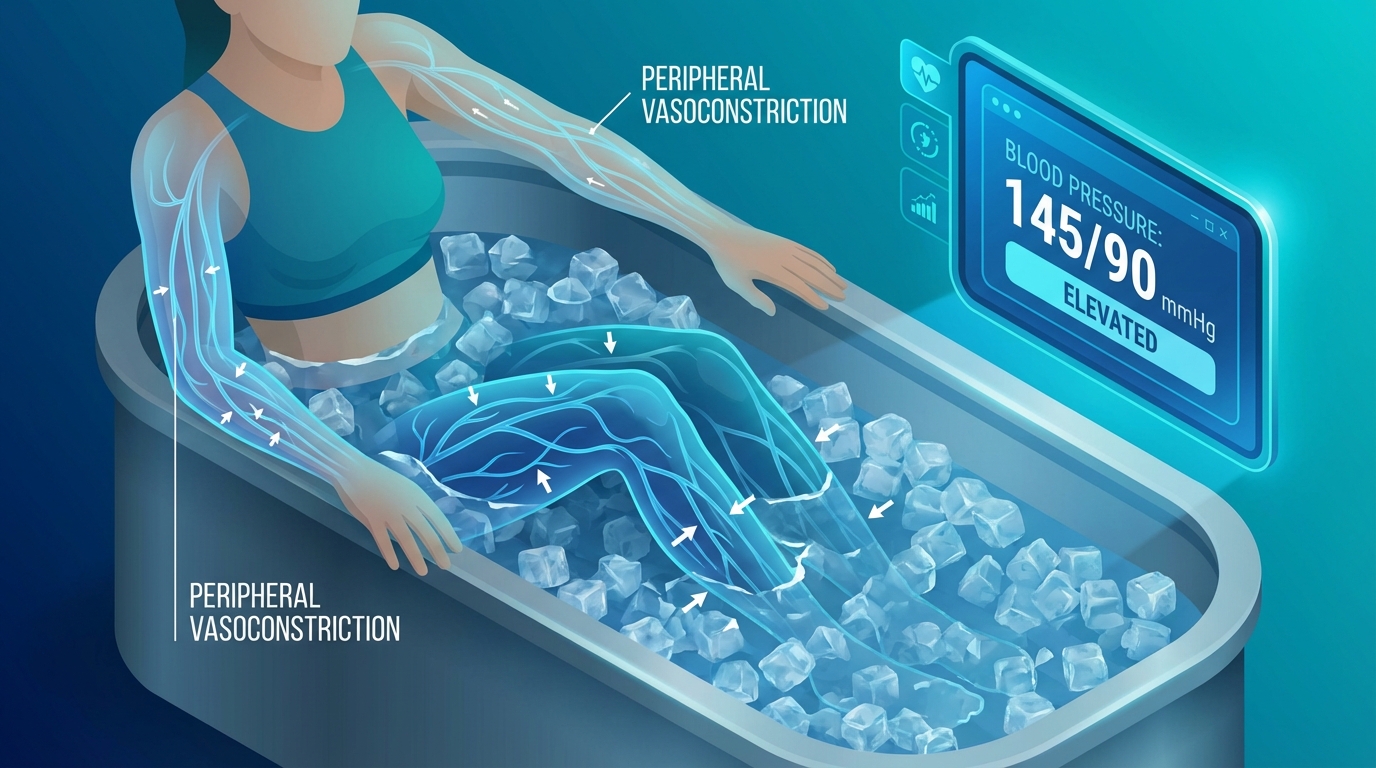
- Avoid extreme heat: Hot showers, saunas, and hot weather dilate blood vessels and drop blood pressure. Keep showers warm (not scalding) and sit down if you feel lightheaded.
- Manage stress: Chronic stress and anxiety can dysregulate blood pressure, sometimes causing it to swing between too high and too low.
- Get enough sleep: Poor sleep affects the autonomic nervous system, which controls blood pressure regulation. Aim for 7-9 hours per night.
- Track your blood pressure: Use a blood pressure tracker to log readings at different times of day. This helps identify patterns and triggers, and gives your doctor useful data.
The bottom line
Low blood pressure is only a problem if it causes symptoms. For people who do experience dizziness, fatigue, or fainting, a combination of increased salt, more fluids, compression stockings, and adjusted meal timing can make a significant difference within days to weeks.
If natural strategies do not help, medical treatment is available and effective. The key is working with your doctor to rule out underlying causes and find the right balance between lifestyle changes and medication. With the right approach, most people with symptomatic low blood pressure can return to normal daily activities without constant dizziness or fatigue.