
Why low blood pressure and high heart rate happen together
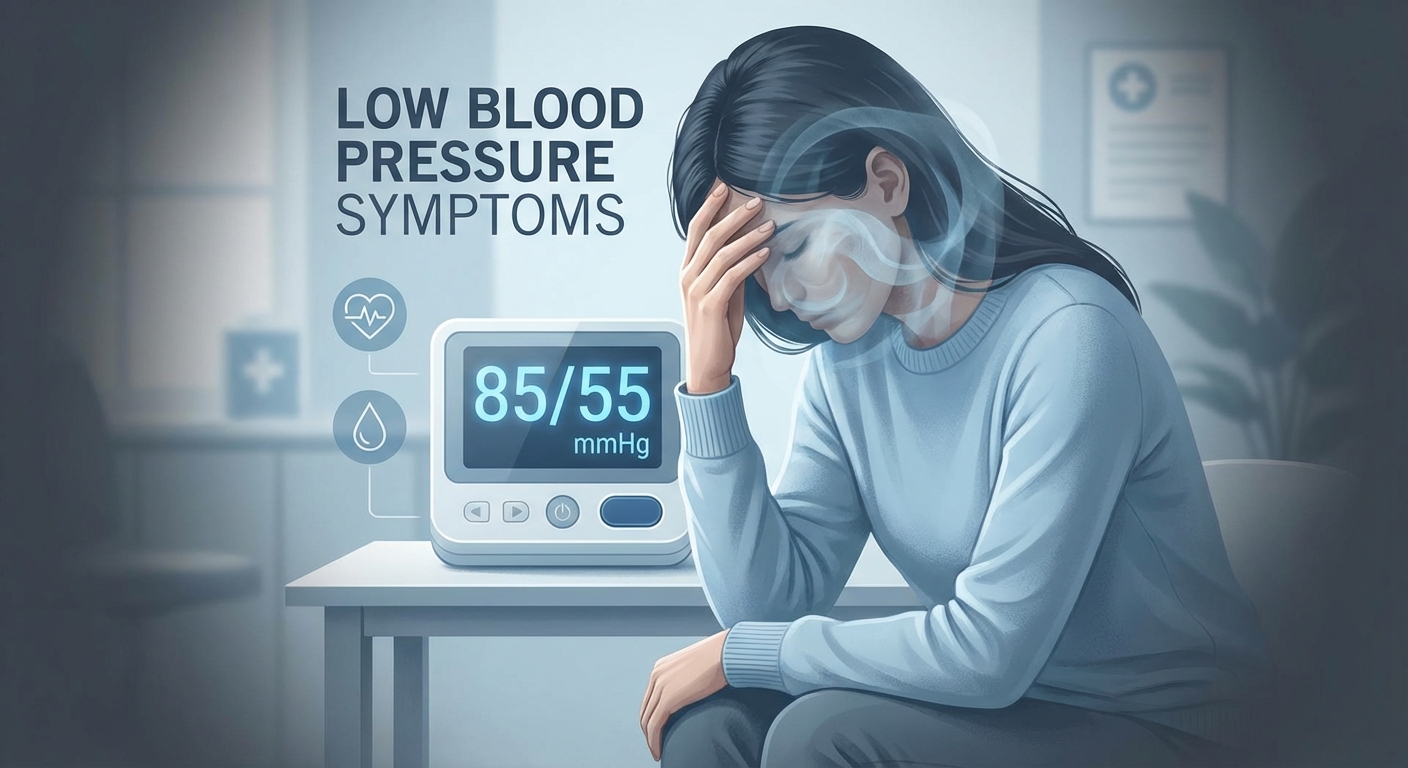
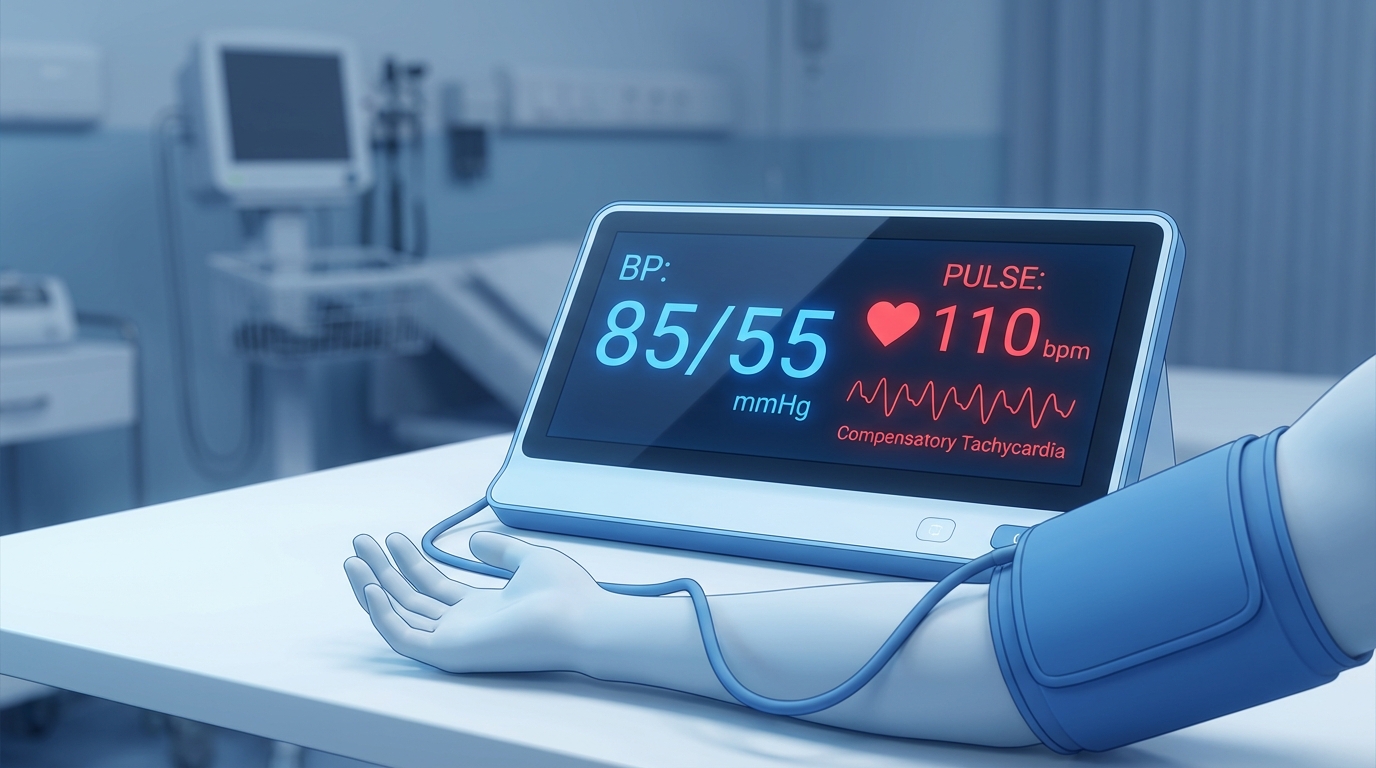
Your body has a built-in feedback loop to keep blood pressure in a safe range. When blood pressure drops, sensors in your arteries (baroreceptors) detect the change and send signals to the brain. The brain responds by telling the heart to beat faster and harder, and blood vessels to constrict. The goal: restore blood pressure and maintain oxygen delivery to your brain, heart, and kidneys.
This compensatory mechanism is why you often see low blood pressure and high heart rate together. The high heart rate is not the problem itself. It is the solution your body is attempting. The question is: why did blood pressure drop in the first place?
Understanding the numbers
Common causes of low blood pressure with high heart rate
1. Dehydration
Dehydration is one of the most common and easily reversible causes. When you lose fluids (through sweating, vomiting, diarrhea, or simply not drinking enough), your blood volume decreases. Less blood in circulation means lower blood pressure. Your heart compensates by pumping faster.
Symptoms: Thirst, dry mouth, dark urine, fatigue, dizziness when standing, headache, decreased urine output.
Treatment: Drink water or oral rehydration solutions (sports drinks with electrolytes). Severe dehydration requires IV fluids. If you cannot keep fluids down or symptoms persist despite drinking, seek medical care. Learn more about dehydration and blood pressure.
2. Orthostatic hypotension
Orthostatic hypotension is a drop in blood pressure when you stand up. Gravity pulls blood to your legs, and if your body does not compensate fast enough, blood pressure falls and heart rate spikes. This is especially common in older adults, people on blood pressure medication, and those with autonomic nervous system disorders.
Symptoms: Lightheadedness or dizziness within seconds to minutes of standing, blurred vision, weakness, feeling like you might faint, palpitations.
Treatment: Stand up slowly (sit for a moment before standing). Wear compression stockings to help blood return from the legs. Increase salt and fluid intake (under medical guidance). Avoid prolonged standing. Your doctor may adjust medications if they are contributing.
3. Blood loss
Blood loss, whether external (trauma, surgery, severe bleeding) or internal (gastrointestinal bleeding, ruptured aneurysm), rapidly lowers blood volume and pressure. The heart responds with tachycardia in an attempt to maintain circulation, but this can only compensate so much before shock sets in.
Symptoms: Weakness, confusion, pale or cold skin, rapid shallow breathing, visible bleeding, severe abdominal or chest pain, fainting.
Treatment: This is a medical emergency. Call emergency services immediately. Treatment involves stopping the bleeding, IV fluids, and blood transfusions in hospital.
4. Sepsis and septic shock
Sepsis is the body's overwhelming response to infection, causing widespread inflammation that damages blood vessels. Blood vessels dilate excessively, blood pressure plummets, and the heart races in a desperate attempt to maintain circulation. Septic shock has a mortality rate of 30-50 percent even with treatment.
Symptoms: Fever or very low body temperature, confusion, extreme weakness, rapid breathing, rapid heart rate, cold and clammy skin, decreased urine output, signs of infection (wound, urinary tract, pneumonia).
Treatment: Urgent hospital admission. IV antibiotics, fluids, vasopressors to raise blood pressure, and intensive monitoring. Early recognition and treatment dramatically improve survival.
5. Heart conditions
Several cardiac conditions can cause low blood pressure with compensatory tachycardia:
- Heart failure: The heart cannot pump effectively, leading to low cardiac output, low blood pressure, and elevated heart rate as the body tries to compensate.
- Atrial fibrillation: This arrhythmia causes rapid, irregular heartbeats. The chaotic rhythm reduces the heart's pumping efficiency, lowering blood pressure. Learn more about blood pressure and heart rate relationships.
- Valvular heart disease: Faulty heart valves (especially aortic or mitral) reduce blood flow and lower blood pressure while increasing heart rate.
- Cardiac tamponade: Fluid around the heart compresses it, preventing effective pumping and causing low blood pressure and elevated heart rate.
Treatment: Depends on the specific condition. May include medications, procedures, or surgery. If you have known heart disease and develop this symptom combination, contact your cardiologist.
6. Medication side effects
Many medications can cause low blood pressure, high heart rate, or both:
- Diuretics (water pills): Reduce blood volume by increasing urination, which can drop blood pressure and trigger compensatory tachycardia.
- Beta blockers: Usually slow heart rate, but paradoxically some people experience low blood pressure without adequate heart rate compensation.
- Calcium channel blockers: Lower blood pressure by relaxing blood vessels. Some people experience tachycardia as a side effect.
- Antidepressants (especially tricyclics): Can cause orthostatic hypotension and reflex tachycardia.
Treatment: Do not stop medications without medical advice. Talk to your doctor about adjusting the dose or timing, or switching to an alternative medication.
7. Vasovagal response
Vasovagal syncope is a reflex that causes sudden blood vessel dilation and a temporary drop in heart rate and blood pressure. It is triggered by stress, fear, pain, standing for long periods, or seeing blood. Before fainting, heart rate may increase briefly as the body tries to compensate, followed by a sudden bradycardia (slow heart rate) and loss of consciousness.
Symptoms: Feeling warm or flushed, nausea, sweating, pale skin, tunnel vision, sudden weakness, fainting.
Treatment: Lie down or sit with your head between your knees at the first sign of symptoms. This usually resolves on its own. If fainting episodes are frequent, see a doctor to rule out other causes.
8. Pregnancy
During pregnancy, especially in the first and second trimesters, blood volume increases but blood vessels also relax (due to progesterone). This can lead to lower blood pressure. The body compensates with a higher heart rate. Most pregnant women experience a resting heart rate 10-20 bpm higher than usual. Learn more about blood pressure during pregnancy.
Symptoms: Lightheadedness when standing, dizziness, fatigue, heart palpitations.
Treatment: Stand up slowly, stay hydrated, avoid lying flat on your back after 20 weeks (lie on your left side instead). If symptoms are severe or associated with abdominal pain or vaginal bleeding, seek immediate medical attention.
9. POTS (Postural Orthostatic Tachycardia Syndrome)
POTS is a condition where standing up causes an excessive increase in heart rate (30+ bpm within 10 minutes for adults, 40+ for adolescents) without a proportional drop in blood pressure. However, many POTS patients do experience low blood pressure, especially with prolonged standing.
Symptoms: Dizziness, lightheadedness, palpitations, fatigue, brain fog, tremulousness, nausea, exercise intolerance. Symptoms improve when lying down.
Treatment: Increase salt (8-10 grams per day) and fluid intake (2-3 liters), wear compression stockings, physical therapy to improve blood flow, medications (fludrocortisone, midodrine, beta blockers). POTS is often triggered by viral infections, surgery, or pregnancy and may improve over time.
Dangerous symptom patterns: when to seek emergency care
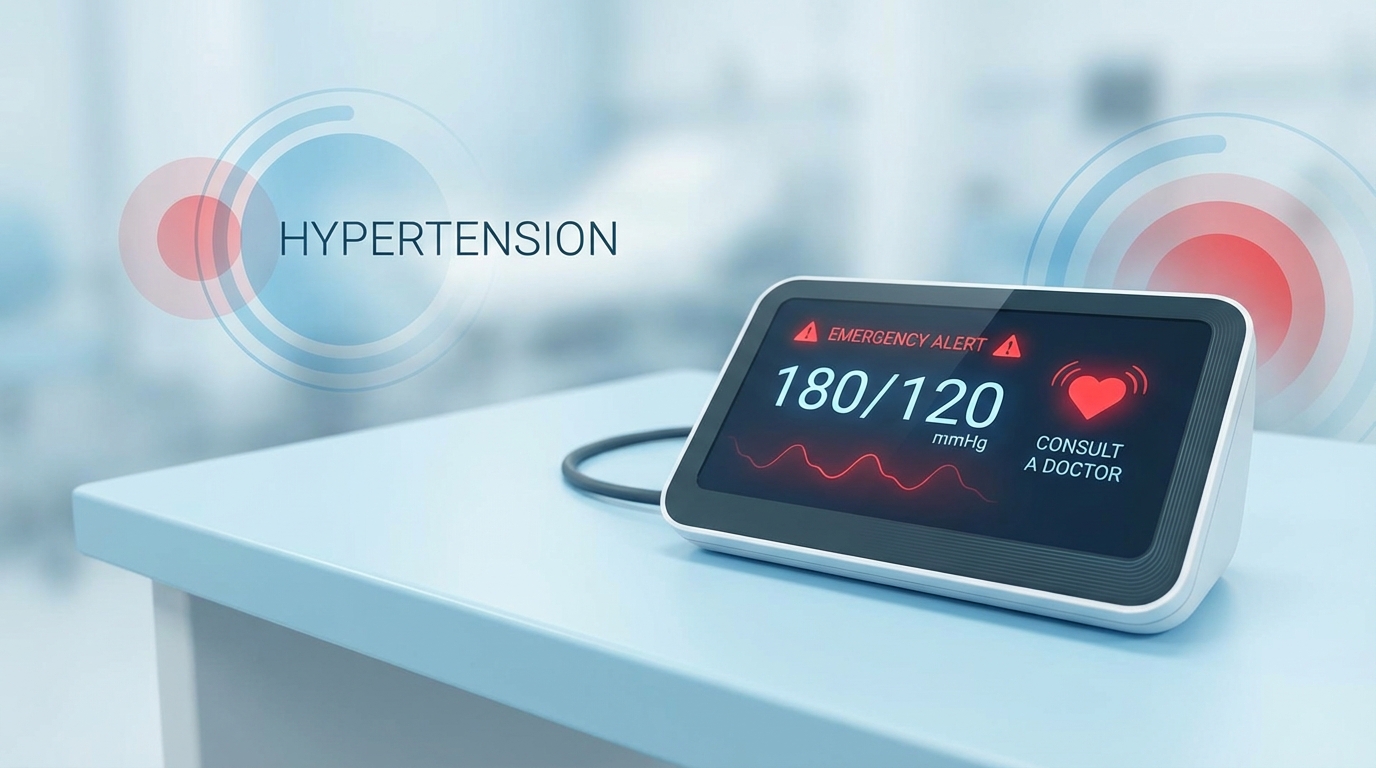
A momentary episode of low blood pressure with high heart rate (like standing up too fast) that resolves within a minute or two is usually not concerning. But certain patterns are medical emergencies.
| Symptom Pattern | Likely Cause | Action Required |
|---|---|---|
| BP below 90/60 with confusion, altered consciousness | Shock, sepsis, severe blood loss | Call emergency services immediately |
| Severe chest pain with low BP and rapid pulse | Heart attack, cardiac tamponade, pulmonary embolism | Call emergency services immediately |
| Rapid shallow breathing (over 20 breaths/min), cold and clammy skin | Septic shock, hypovolemic shock | Call emergency services immediately |
| Inability to stand without fainting, symptoms worsening | Severe dehydration, blood loss, adrenal crisis | Seek urgent medical attention |
| Low BP and high pulse after starting new medication | Medication side effect or interaction | Contact doctor same day |
| Frequent episodes triggered by standing, improves lying down | Orthostatic hypotension, POTS | Schedule doctor appointment (non-urgent) |
Do not wait if you experience
• Chest pain, pressure, or tightness
• Difficulty breathing or very rapid breathing
• Cold, clammy, or pale skin
• Weak, rapid, or irregular pulse
• Fainting or near-fainting that does not improve within minutes
• Severe headache, vision changes, or neurological symptoms
Diagnosis: how doctors figure out the cause
Your doctor will start with a detailed history and physical exam, asking about:
- When symptoms occur (only when standing, all the time, after exercise)
- Medications you are taking
- Recent illnesses, infections, or injuries
- Fluid intake and signs of dehydration
- History of heart disease, diabetes, or autonomic disorders
Diagnostic tests may include:
- Orthostatic vital signs: Blood pressure and heart rate measured lying down, sitting, and standing to detect orthostatic hypotension.
- Blood tests: Complete blood count (to check for anemia or blood loss), electrolytes (sodium, potassium), kidney function, thyroid function, blood glucose, and infection markers (if sepsis suspected).
- Electrocardiogram (ECG): Records heart rhythm to detect arrhythmias or signs of heart attack.
- Echocardiogram: Ultrasound of the heart to assess pumping function and valve abnormalities.
- Tilt table test: Used to diagnose POTS or vasovagal syncope. You lie on a table that tilts to an upright position while heart rate and blood pressure are monitored.
Treatment: addressing the underlying cause
Treatment depends entirely on what is causing the low blood pressure and high heart rate. There is no single fix. The goal is to identify and treat the root problem.
| Cause | Treatment Approach | Timeline |
|---|---|---|
| Dehydration | Oral fluids with electrolytes; IV fluids if severe | Hours to 1 day |
| Orthostatic hypotension | Compression stockings, increased salt/fluids, medication adjustment | Days to weeks |
| Blood loss | IV fluids, blood transfusion, surgery to stop bleeding | Immediate, hours in hospital |
| Sepsis | IV antibiotics, fluids, vasopressors, ICU monitoring | Days to weeks in hospital |
| Heart failure | Diuretics, ACE inhibitors, beta blockers, lifestyle changes | Ongoing management |
| Medication side effects | Dose adjustment, timing change, alternative medication | Days to weeks |
| POTS | Increased salt/fluids, compression, physical therapy, medications | Months to years (may improve over time) |
Home management tips for mild cases
If your doctor has ruled out serious causes and you experience occasional episodes of low blood pressure with high heart rate, these strategies may help:
- Stay hydrated: Drink 2-3 liters of water per day. Dehydration is the most common reversible cause.
- Increase salt intake: Only if your doctor approves. Extra sodium helps retain fluid and raise blood volume. Aim for 8-10 grams per day if you have POTS or orthostatic hypotension. Learn about how to raise low blood pressure safely.
- Stand up slowly: Sit on the edge of the bed for a moment before standing. Flex your calf muscles while standing to help pump blood back to your heart.
- Avoid triggers: Prolonged standing, hot showers or baths, alcohol, large carbohydrate-heavy meals, and sudden position changes.
- Wear compression stockings: These help prevent blood pooling in your legs, especially if you have POTS or orthostatic hypotension.
Tracking your symptoms
If you experience low blood pressure with high heart rate, start tracking when it happens and what you were doing. Use a blood pressure log to record:
- Blood pressure and heart rate (lying, sitting, and standing if possible)
- Time of day
- Recent food, fluid, or medication intake
- Symptoms you experienced
- Activity immediately before (standing, exercise, hot shower)
This data is invaluable for diagnosis and helps your doctor see patterns you might miss. A consistent log over several weeks provides far more insight than a single measurement at a doctor's appointment.
The bottom line
Low blood pressure with high heart rate is your body's attempt to maintain blood flow when pressure drops. The underlying cause can range from benign (standing up too fast, mild dehydration) to life-threatening (sepsis, internal bleeding, heart failure).
A single momentary episode is usually not a concern. But frequent, prolonged, or severe episodes, especially with symptoms like confusion, chest pain, or difficulty breathing, require immediate medical attention. If you are unsure, err on the side of caution and seek care. Early intervention makes all the difference in serious cases.