

What happens to blood pressure during exercise
When you start exercising, your muscles need more oxygen. Your heart responds by pumping harder and faster, which increases systolic blood pressure. At the same time, the blood vessels in your working muscles dilate to accept more blood flow. This dilation keeps diastolic pressure roughly stable or even lowers it slightly.
The result: systolic goes up, diastolic stays flat or drops a little. This is normal and healthy. Your cardiovascular system is doing exactly what it should.
| Exercise Intensity | Expected Systolic BP | Expected Diastolic BP | Heart Rate |
|---|---|---|---|
| Rest | 110-130 mmHg | 70-85 mmHg | 60-80 bpm |
| Light (walking) | 120-150 mmHg | 70-85 mmHg | 90-110 bpm |
| Moderate (jogging, cycling) | 140-180 mmHg | 70-90 mmHg | 110-140 bpm |
| Vigorous (running, HIIT) | 160-200 mmHg | 65-90 mmHg | 140-170 bpm |
| Maximal effort | 180-220+ mmHg | 65-90 mmHg | 170-200 bpm |
| Heavy resistance (maximal lifts) | 200-300+ mmHg | Can spike briefly | 100-160 bpm |
These ranges are for generally healthy adults. Your numbers will vary based on age, fitness level, medications, and the specific type of exercise.
Post-exercise blood pressure: the recovery window
After you stop exercising, blood pressure does not immediately snap back to normal. It drops gradually, and what happens in the minutes and hours afterward is actually one of the most beneficial effects of exercise.
| Time After Exercise | What Happens | Expected BP |
|---|---|---|
| 0-5 minutes | Heart rate slows; blood vessels still dilated | Dropping from peak; may still be elevated |
| 5-15 minutes | Active recovery; BP falling toward baseline | Approaching or at resting level |
| 15-60 minutes | Blood pressure reaches or drops below baseline | At or slightly below resting BP |
| 1-12 hours | Post-exercise hypotension: BP stays below normal resting level | 5-8 mmHg below usual resting BP |
| 12-24 hours | Effect gradually fades | Returns to normal resting level |
This "post-exercise hypotension" is why doctors recommend exercise for blood pressure management. A single session of aerobic exercise can keep blood pressure 5-8 mmHg lower than usual for up to 24 hours. If you exercise daily, you are essentially stacking these reductions. Over weeks and months, this translates into lasting improvements.
Timing your home readings
Warning signs during and after exercise
Most exercise-related blood pressure changes are harmless. But some responses indicate a problem:
Stop exercising and seek help if you experience
• Sudden severe headache during exertion
• Vision changes (blurring, spots, blackouts)
• Extreme dizziness or fainting
• Heart palpitations that do not settle within a few minutes of rest
• Blood pressure above 180/120 that persists for more than 5 minutes after stopping
• Unusual shortness of breath that is disproportionate to the effort
Exaggerated blood pressure response
During a cardiac stress test, doctors watch how blood pressure responds to increasing exercise intensity. An "exaggerated response" means systolic pressure rises above 210 mmHg in men or 190 mmHg in women during moderate treadmill exercise.
This matters because even if your resting blood pressure is perfectly normal, an exaggerated exercise response predicts a 2-4 times higher risk of developing hypertension within the next 5-10 years. It is an early warning sign that the blood pressure regulation system is under strain, and it may prompt your doctor to recommend closer monitoring or preventive lifestyle changes.
Post-exercise hypotension (too low)
Some people experience excessive blood pressure drops after exercise, particularly:
- People on blood pressure medication, especially beta-blockers or diuretics
- Older adults with less responsive baroreflexes
- Anyone who is dehydrated during or after exercise
- People exercising in hot or humid conditions
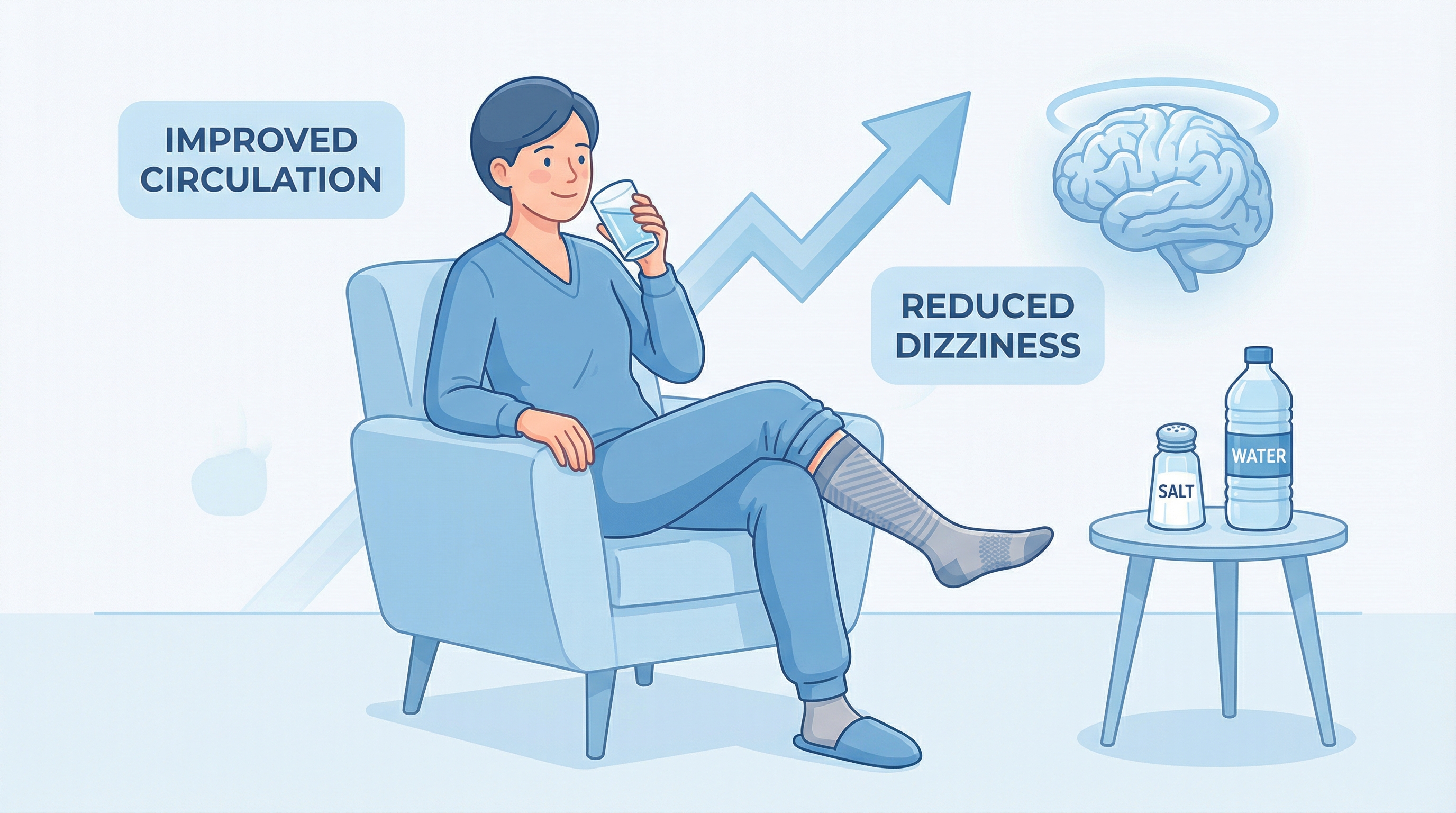
If you feel lightheaded, dizzy, or faint after exercise, sit or lie down immediately. Drink water. Do not stand up quickly. If symptoms persist for more than 15-20 minutes or keep recurring, talk to your doctor about adjusting medication timing or dosage.
Best types of exercise for lowering blood pressure
All exercise helps blood pressure to some degree, but research shows some types are more effective:
| Exercise Type | BP Reduction (Systolic) | Examples | How Often |
|---|---|---|---|
| Aerobic exercise | -5 to -8 mmHg | Brisk walking, jogging, cycling, swimming | 150 min/week |
| Isometric exercise | -4 to -8 mmHg | Wall sits, plank holds, handgrip exercises | 3x per week, 4 sets of 2 min |
| Resistance training | -2 to -5 mmHg | Weight lifting, bodyweight exercises, resistance bands | 2-3x per week |
| HIIT | -3 to -6 mmHg | Interval sprints, circuit training | 2-3x per week (after medical clearance) |
A 2023 meta-analysis in the British Journal of Sports Medicine found that isometric exercises (like wall sits and planks) were actually the most effective single type of exercise for lowering resting blood pressure. That said, a combination of aerobic and resistance training gives the best overall cardiovascular benefit.
Exercise guidelines for people with hypertension
- Get clearance first: If you have uncontrolled hypertension (above 160/100 consistently), stage 2 hypertension on medication, or any heart condition, talk to your doctor before starting a new exercise program.
- Start gradually: Begin with 10-15 minutes of moderate walking and increase by 5 minutes per week. Sudden intense exercise after a sedentary period can cause problematic blood pressure spikes.
- Breathe during lifting: Never hold your breath during resistance exercises. The Valsalva maneuver (bearing down with a closed airway) can spike blood pressure to dangerous levels. Exhale during exertion.
- Stay hydrated: Dehydration combined with exercise stress compounds the blood pressure effect. Drink water before, during, and after exercise.
- Track your response: Use a blood pressure tracker to log pre- and post-exercise readings. This data helps your doctor fine-tune your exercise prescription and medication.
The bottom line
Blood pressure is supposed to rise during exercise. That is your cardiovascular system working correctly. What matters is how it recovers afterward. A healthy response means blood pressure returns to baseline within 30-60 minutes and may stay slightly lower than usual for hours.
Regular exercise is one of the most effective blood pressure interventions available, rivaling medication for many people. But the benefit only comes with consistency. Check your blood pressure chart categories to know your starting point, then build a sustainable routine that gets you moving most days of the week.