
What diastolic blood pressure actually measures
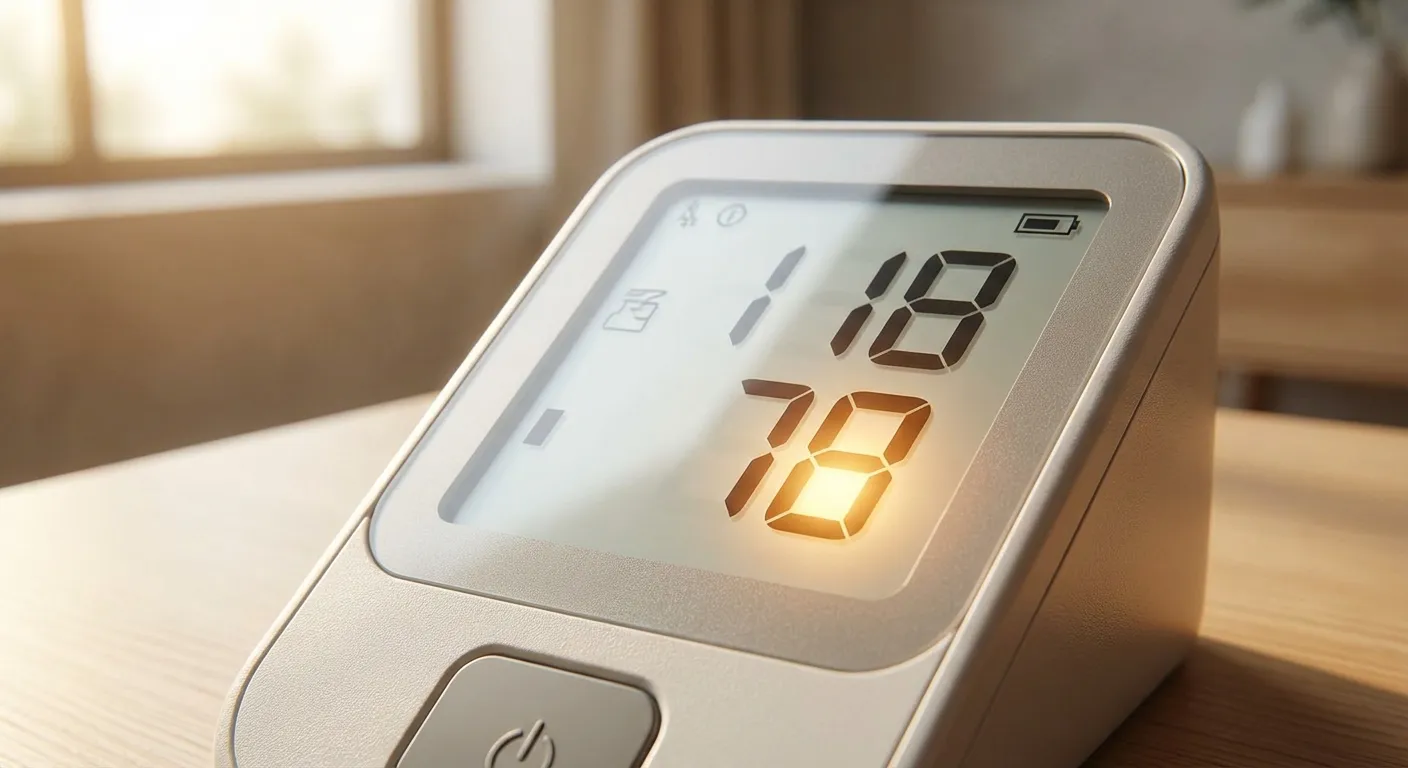
Every blood pressure reading has two numbers. The top one (systolic) measures the force when your heart pumps. The bottom one (diastolic) measures the pressure when your heart relaxes between beats. That resting phase is when the heart refills with blood and the coronary arteries deliver oxygen to the heart muscle itself.
If the bottom number is too high, it means your arteries never fully relax. They stay under constant pressure, even when the heart is at rest. Over time, this damages blood vessel walls, forces the heart to work harder, and increases the risk of heart attack and stroke. For a deeper look at what both numbers mean, see our guide to understanding blood pressure readings.
What counts as high diastolic blood pressure
The American Heart Association defines blood pressure categories based on both numbers. Here is how diastolic pressure breaks down:
| Diastolic Range | Category | What It Means | Action |
|---|---|---|---|
| Below 60 mmHg | Low (hypotension) | May cause dizziness, fatigue, fainting | Talk to your doctor if symptoms occur |
| 60-79 mmHg | Normal | Arteries are relaxing properly between beats | Maintain healthy habits |
| 80-89 mmHg | High (Stage 1) | Mild but sustained pressure on vessel walls | Lifestyle changes; possibly medication |
| 90-119 mmHg | High (Stage 2) | Significant strain on the cardiovascular system | Medication + lifestyle changes |
| 120+ mmHg | Crisis | Organ damage may be occurring | Call 911 immediately |
A key point: you need consistently high readings across multiple visits for a diagnosis. A single reading of 85 after a stressful day does not mean you have hypertension. To see which category a given number falls into, you can check your reading with our blood pressure calculator. Your doctor will want to see a pattern, which is why taking accurate measurements at home matters.
Isolated diastolic hypertension: when only the bottom number is high
Most people with high blood pressure have both numbers elevated. But in some cases, the diastolic pressure climbs above 80 while the systolic stays below 130. Doctors call this "isolated diastolic hypertension" or IDH.
IDH is more common than many people realize. A 2021 study in the journal Hypertension found that roughly 6-8% of adults have isolated diastolic hypertension. It is most common in younger adults, particularly those under 50, and it is strongly associated with three things: excess body weight, untreated sleep apnea, and smoking.
After age 50, the pattern usually flips. Arteries stiffen with age, which pushes systolic pressure up while diastolic pressure often plateaus or even drops. This is why older adults are more likely to have isolated systolic hypertension (high top number, normal bottom number), while younger adults are more likely to have IDH.
Age and diastolic pressure
What causes high diastolic blood pressure
Unlike systolic pressure, which rises predictably with age and arterial stiffness, diastolic pressure is driven more by peripheral resistance. That means the tone and flexibility of smaller blood vessels throughout your body. When these vessels tighten or lose elasticity, diastolic pressure goes up.
Primary causes (lifestyle and risk factors)
- Excess body weight: Fat tissue produces hormones and inflammatory signals that increase vascular resistance. Even 10-15 extra pounds can raise diastolic pressure by 5-10 mmHg. This is the single strongest modifiable risk factor for IDH.
- Sleep apnea: Repeated airway obstruction during sleep triggers adrenaline surges that constrict blood vessels. Untreated obstructive sleep apnea is present in up to 50% of people with resistant hypertension.
- Smoking: Nicotine constricts blood vessels and damages the endothelial lining, reducing their ability to relax. Each cigarette causes a temporary 5-10 mmHg spike in both systolic and diastolic pressure.
- High sodium intake: Excess sodium causes fluid retention and increases blood volume, raising pressure throughout the vascular system. Most adults consume 3,400 mg per day, well above the 2,300 mg recommended limit.
- Excess alcohol: More than one drink per day for women or two for men can raise blood pressure. Heavy drinking is particularly associated with diastolic elevation.
- Physical inactivity: Sedentary people have higher resting peripheral resistance. Regular exercise improves blood vessel flexibility and can lower diastolic pressure by 4-8 mmHg.
- Chronic stress: Sustained cortisol and adrenaline levels keep blood vessels constricted. Learn more about the connection between stress and blood pressure.
Secondary causes (medical conditions)
- Thyroid disorders: Both hypothyroidism (underactive thyroid) and hyperthyroidism can affect blood pressure regulation. Hypothyroidism specifically tends to raise diastolic pressure.
- Kidney disease: The kidneys regulate fluid balance and produce hormones that control blood pressure. Kidney damage or disease can increase diastolic pressure.
- Adrenal disorders: Conditions like Cushing syndrome or pheochromocytoma cause excess hormone production that raises blood pressure. These are rare but worth investigating if standard treatments do not work.
- Medications: NSAIDs (ibuprofen, naproxen), decongestants (pseudoephedrine), oral contraceptives, and some antidepressants can elevate diastolic pressure.
Systolic vs diastolic: which matters more?
This is one of the most common questions in cardiology, and the answer depends on your age.
| Age Group | More Important Number | Why |
|---|---|---|
| Under 40 | Diastolic may matter more | High diastolic in younger adults predicts future cardiovascular events even with normal systolic |
| 40-60 | Both equally important | Both numbers contribute to risk assessment; either being elevated warrants treatment |
| Over 60 | Systolic is generally more predictive | Arterial stiffness drives systolic up; a widening "pulse pressure" (systolic minus diastolic) signals increased cardiovascular risk |
The bottom line: neither number should be ignored. If your diastolic blood pressure is consistently above 80, talk to your doctor regardless of what your systolic reads.
Risks of untreated high diastolic pressure
For years, some doctors treated IDH as a minor concern because systolic pressure was considered the more important number. That thinking has changed. Recent large-scale studies show that elevated diastolic pressure on its own carries real risks:
- Heart attack: A 2021 analysis of over 36 million readings found that each 10 mmHg increase in diastolic pressure raised the risk of heart attack by about 20%, independent of systolic pressure.
- Heart failure: Sustained diastolic hypertension forces the heart to work harder during its resting phase, gradually thickening the heart muscle wall (left ventricular hypertrophy).
- Kidney damage: High diastolic pressure damages the small blood vessels in the kidneys, reducing their ability to filter waste. This can progress silently for years.
- Stroke: Elevated diastolic pressure increases the risk of both ischemic stroke (blocked blood vessel) and hemorrhagic stroke (bleeding in the brain).
- Eye damage: The retina's small blood vessels are sensitive to sustained pressure. Hypertensive retinopathy can affect vision over time.
When high diastolic is an emergency
How to lower high diastolic blood pressure
The good news about isolated diastolic hypertension is that it responds well to lifestyle changes, especially in younger adults. Many people can bring their diastolic pressure back below 80 without medication.
Lose weight if needed
This is the single most effective intervention for IDH. Losing just 5-10 pounds can lower diastolic pressure by 3-8 mmHg. A 2020 meta-analysis found that for every kilogram of weight lost, diastolic pressure dropped by roughly 0.5 mmHg. The effect is dose-dependent: more weight lost equals more pressure reduction.
Exercise regularly
Aim for at least 150 minutes of moderate aerobic exercise per week (brisk walking, cycling, swimming). Regular exercise improves the flexibility of blood vessel walls and reduces peripheral resistance. Studies show consistent exercise lowers diastolic pressure by 4-8 mmHg over 8-12 weeks. Resistance training also helps, but avoid breath-holding during heavy lifts, which temporarily spikes pressure.
Cut sodium
Reducing sodium intake from the average 3,400 mg per day to below 2,300 mg (ideally 1,500 mg) can lower diastolic pressure by 2-6 mmHg. The biggest sources are processed foods, restaurant meals, bread, and canned soups. Read labels and cook at home when you can. The DASH diet is specifically designed to lower blood pressure through dietary changes.
Limit alcohol
If you drink, stick to one standard drink per day for women and two for men. Reducing heavy drinking to moderate levels can lower diastolic pressure by 2-4 mmHg. Binge drinking is particularly harmful because it causes sharp spikes followed by rebound elevation.
Get screened for sleep apnea
If you snore heavily, wake up tired despite enough sleep, or have been told you stop breathing during sleep, ask your doctor about a sleep study. Treating sleep apnea with CPAP therapy can lower diastolic pressure by 3-6 mmHg and also reduces the overnight blood pressure surges that are especially hard on the cardiovascular system.
Manage stress
Chronic stress keeps your sympathetic nervous system in overdrive, which maintains high peripheral resistance. Evidence-based approaches include regular exercise (which does double duty), deep breathing exercises, mindfulness meditation, and getting enough sleep. Even 10 minutes of focused breathing per day has been shown to lower both systolic and diastolic pressure in people with hypertension.
When medication is needed
If lifestyle changes do not bring your diastolic pressure below 80 after 3-6 months, your doctor may recommend medication. The most commonly prescribed classes for diastolic hypertension include:
- ACE inhibitors (lisinopril, enalapril): relax blood vessels by blocking angiotensin, a hormone that causes constriction
- ARBs (losartan, valsartan): similar to ACE inhibitors but with fewer side effects like cough
- Calcium channel blockers (amlodipine, diltiazem): reduce peripheral resistance by relaxing smooth muscle in blood vessel walls
- Thiazide diuretics (hydrochlorothiazide, chlorthalidone): reduce blood volume by increasing sodium and water excretion through the kidneys
Your doctor will choose based on your age, other health conditions, and potential side effects. Do not stop or change blood pressure medication on your own.
Monitoring diastolic blood pressure at home
Home monitoring is one of the best tools for managing diastolic hypertension. Office readings can be misleading because of white coat syndrome (anxiety-driven spikes in the clinic) or masked hypertension (normal in the clinic but elevated at home).
For accurate home readings, use a validated upper-arm cuff monitor (not a wrist monitor). Check your pressure at the same times each day, morning and evening, after sitting quietly for 5 minutes. Take 2-3 readings each time and record the average. Track trends over weeks, not individual readings. Our hypertension tracker can help you spot patterns and share clean reports with your doctor.
The bottom line
A high bottom number on your blood pressure reading is not something to brush off, especially if you are under 50. Isolated diastolic hypertension is common, often caused by modifiable factors like weight, sleep apnea, and smoking, and it carries real cardiovascular risk if left untreated.
The positive side is that diastolic pressure responds well to lifestyle changes. Losing weight, exercising, cutting sodium, and treating sleep problems can bring the number down without medication in many cases. Start by tracking your readings at home using a blood pressure log so you have data to show your doctor. One reading does not tell the full story, but a few weeks of tracking will.