
If you have been told to lose weight to help control your blood pressure, you are not alone. Excess body weight is the single most modifiable risk factor for hypertension, and the relationship between weight loss and blood pressure reduction is one of the most well-documented in cardiovascular medicine.
But how much weight do you actually need to lose? What kind of results can you expect? And which strategies work best? This guide breaks down the evidence-based connection between weight loss and blood pressure, so you know exactly what to expect.
The Evidence: How Much Does Weight Loss Lower Blood Pressure?
Multiple large-scale meta-analyses have quantified the relationship between weight loss and blood pressure reduction. The most widely cited finding is from a 2003 meta-analysis published in Hypertension by Neter et al., which analyzed 25 randomized controlled trials:
This finding has been replicated in subsequent studies. A 2008 review in the American Heart Association journal Hypertension confirmed the 1 mmHg per 1 kg relationship, and more recent studies continue to support this estimate.
What does this mean in practical terms? Here is a breakdown by weight loss amount:
| Weight Lost | Expected Systolic Reduction | Expected Diastolic Reduction |
|---|---|---|
| 2 kg (4.4 lbs) | ~2 mmHg | ~2 mmHg |
| 5 kg (11 lbs) | ~5 mmHg | ~4-5 mmHg |
| 10 kg (22 lbs) | 5-10 mmHg | 4-8 mmHg |
| 15 kg (33 lbs) | 10-15 mmHg | 8-12 mmHg |
These are average values. Individual results vary based on starting weight, starting blood pressure, age, genetics, and how the weight is lost (diet alone, exercise alone, or combined).
5-10% Weight Loss: The Sweet Spot for Blood Pressure Benefits
You do not need to reach your ideal body weight to see significant cardiovascular improvements. Research shows that losing just 5-10% of your current body weight produces measurable reductions in blood pressure and other cardiovascular risk factors.
A 2017 study published in Obesity Reviews found that a 5-10% weight reduction resulted in:
- Systolic blood pressure reduction of 4-6 mmHg
- Diastolic blood pressure reduction of 3-5 mmHg
- Improved insulin sensitivity
- Reduced triglycerides by 15-20%
- Increased HDL (good cholesterol) by 5-8%
For someone who weighs 90 kg (198 lbs), that means losing 4.5-9 kg (10-20 lbs) is enough to produce clinically meaningful improvements in blood pressure and overall cardiovascular health.
BMI and Hypertension Risk: How Weight Affects Blood Pressure
Body mass index (BMI) is a metric used to assess body fat percentage based on height and weight. While not perfect (it does not account for muscle mass or fat distribution), BMI remains a strong predictor of hypertension risk.
A large cohort study published in Frontiers in Cardiovascular Medicine (2022) examined nearly 90,000 participants and found a clear relationship between BMI trajectory and hypertension risk. More recently, a 2025 study in Cardiovascular Diabetology confirmed that obesity increases the risk of hypertension by 4.17 times.
Hypertension Prevalence by BMI Category
The Longevity Check-Up 7+ Study, published in Nutrients (2018), examined hypertension rates across different BMI categories:
| BMI Category | BMI Range | Hypertension Prevalence |
|---|---|---|
| Normal weight | 18.5-24.9 | 45% |
| Overweight | 25-29.9 | 67% |
| Obesity Class I-II | 30-39.9 | 79% |
| Obesity Class III (severe) | 40+ | 87% |
Even among people with a normal BMI, nearly half have hypertension (often due to age, genetics, or lifestyle factors). But the risk increases sharply with excess weight. By the time someone reaches severe obesity, nearly 9 out of 10 people have high blood pressure.
This makes weight management one of the most powerful interventions for preventing and treating hypertension.
Which Diets Work Best for Blood Pressure and Weight Loss?
Not all weight loss approaches are equal when it comes to blood pressure control. Some diets have been specifically studied for their cardiovascular benefits.
DASH Diet: The Gold Standard
The DASH diet (Dietary Approaches to Stop Hypertension) was specifically designed to lower blood pressure and has the strongest evidence base. It emphasizes:
- Fruits and vegetables (8-10 servings per day)
- Whole grains
- Low-fat dairy products
- Lean protein (poultry, fish, beans)
- Nuts, seeds, and legumes
- Limited sodium (1,500-2,300 mg per day)
- Minimal added sugars and saturated fats
The original DASH trial (1997) showed that the DASH diet alone (without weight loss) reduced systolic blood pressure by 5.5 mmHg and diastolic by 3 mmHg. When combined with weight loss, reductions are even greater.
Mediterranean Diet
The Mediterranean diet is another evidence-based approach with strong cardiovascular benefits. It shares similarities with DASH but includes more healthy fats (olive oil, nuts, fatty fish) and allows moderate red wine consumption.
A 2020 study in Diabetes Spectrum found that the Mediterranean diet produces comparable blood pressure reductions to DASH, with the added benefit of being easier for many people to sustain long-term due to its flexibility and emphasis on flavor.
Low-Sodium Diets
Reducing sodium intake is one of the most direct ways to lower blood pressure, especially for salt-sensitive individuals. The American Heart Association recommends limiting sodium to 1,500 mg per day for people with hypertension (the average American consumes over 3,400 mg daily).
Reducing sodium from 3,400 mg to 1,500 mg per day can lower systolic blood pressure by 5-6 mmHg even without weight loss. Combined with weight reduction, the effects are additive.
What About Low-Carb or Keto Diets?
Low-carbohydrate and ketogenic diets can be effective for rapid weight loss, and many people see blood pressure improvements on these diets. However, the evidence for long-term cardiovascular health is mixed, and these diets can be harder to sustain.
If you choose a low-carb approach, focus on healthy fats (avocado, nuts, olive oil, fatty fish) rather than saturated fats from red meat and processed foods. Monitor your blood pressure regularly, as some people experience increases in LDL cholesterol on very high-fat diets.
Exercise vs Diet: Which Is More Effective for Blood Pressure?
Both diet and exercise lower blood pressure, but they work through different mechanisms and have different levels of effectiveness.
Diet: More Effective for Weight Loss
Research consistently shows that diet is more effective than exercise for weight loss. A 2023 review in Verywell Health noted that dietary changes tend to produce faster and more significant weight reduction because it is easier to cut 500 calories from your diet than to burn 500 calories through exercise.
Weight loss through diet alone can reduce systolic blood pressure by 4-6 mmHg and diastolic by 3-5 mmHg, assuming a 5-10% weight reduction.
Exercise: Unique Cardiovascular Benefits
While exercise alone may not produce as much weight loss, it has independent blood pressure benefits. Regular aerobic exercise (walking, cycling, swimming) lowers systolic blood pressure by 2-4 mmHg and diastolic by 1-3 mmHg, even without significant weight loss.
Exercise works by:
- Improving blood vessel elasticity
- Reducing inflammation
- Lowering resting heart rate
- Enhancing insulin sensitivity
- Reducing stress hormones
Additionally, exercise helps preserve lean muscle mass during weight loss, which prevents metabolic slowdown and makes it easier to maintain weight loss long-term.
Combined Approach: Best Results
The most effective strategy is combining diet and exercise. A study published in Sports Medicine and Health Science (2004) found that overweight hypertensive patients who combined calorie restriction with regular exercise reduced systolic blood pressure by 12.5 mmHg and diastolic by 7.9 mmHg, compared to 4-6 mmHg with diet alone and 2-4 mmHg with exercise alone.
A combined approach also improves adherence. People who exercise regularly are more likely to stick with dietary changes, and vice versa.
How Long Does It Take for Weight Loss to Lower Blood Pressure?
The timeline for seeing blood pressure improvements from weight loss depends on how quickly weight is lost and how much is lost.
Short-Term: 2-4 Weeks
Some people see measurable blood pressure reductions within 2-4 weeks of starting a weight loss program, especially if the initial approach includes significant sodium restriction or a medically supervised very-low-calorie diet.
Moderate-Term: 4-8 Weeks
Most people start seeing consistent blood pressure improvements within 4-8 weeks of sustained weight loss, assuming a loss of at least 2-3 kg (4-7 lbs). This is when behavioral changes (diet, exercise, sleep) begin to show cumulative effects.
Long-Term: 12+ Weeks
Maximum blood pressure benefits are typically seen after 12-16 weeks of sustained weight loss. At this point, metabolic adaptations have occurred, including improved insulin sensitivity, reduced inflammation, and enhanced vascular function.
The key is consistency. Rapid weight loss followed by regain will erase blood pressure benefits. Sustainable lifestyle changes that keep the weight off provide lasting cardiovascular protection.
Will Blood Pressure Go Back Up If I Regain the Weight?
Yes. The blood pressure benefits of weight loss are maintained only as long as the weight stays off. If you regain lost weight, blood pressure will typically rise back toward previous levels within a few months.
A 2005 systematic review published in Hypertension examined long-term outcomes of weight loss interventions and found that the blood pressure benefits were directly tied to sustained weight loss. When participants regained weight, blood pressure returned to baseline.
This is why crash diets and extreme calorie restriction are less valuable than sustainable lifestyle changes. Losing 10 kg in 6 months and keeping it off is far more beneficial than losing 15 kg in 2 months and regaining it within a year.
Can Weight Loss Eliminate the Need for Blood Pressure Medication?
In some cases, yes. Studies show that significant weight loss (10-15% of body weight) allows about 30-50% of people with hypertension to reduce or eliminate medications, under medical supervision.
However, this depends on several factors:
- How long you have had high blood pressure (longer duration means more structural changes to blood vessels)
- Starting blood pressure level (people with stage 2 hypertension are less likely to achieve medication-free control)
- Genetic factors (some people have strong genetic predispositions to hypertension)
- Other health conditions (diabetes, kidney disease, and heart disease affect treatment)
Tracking Progress: How to Monitor Blood Pressure During Weight Loss
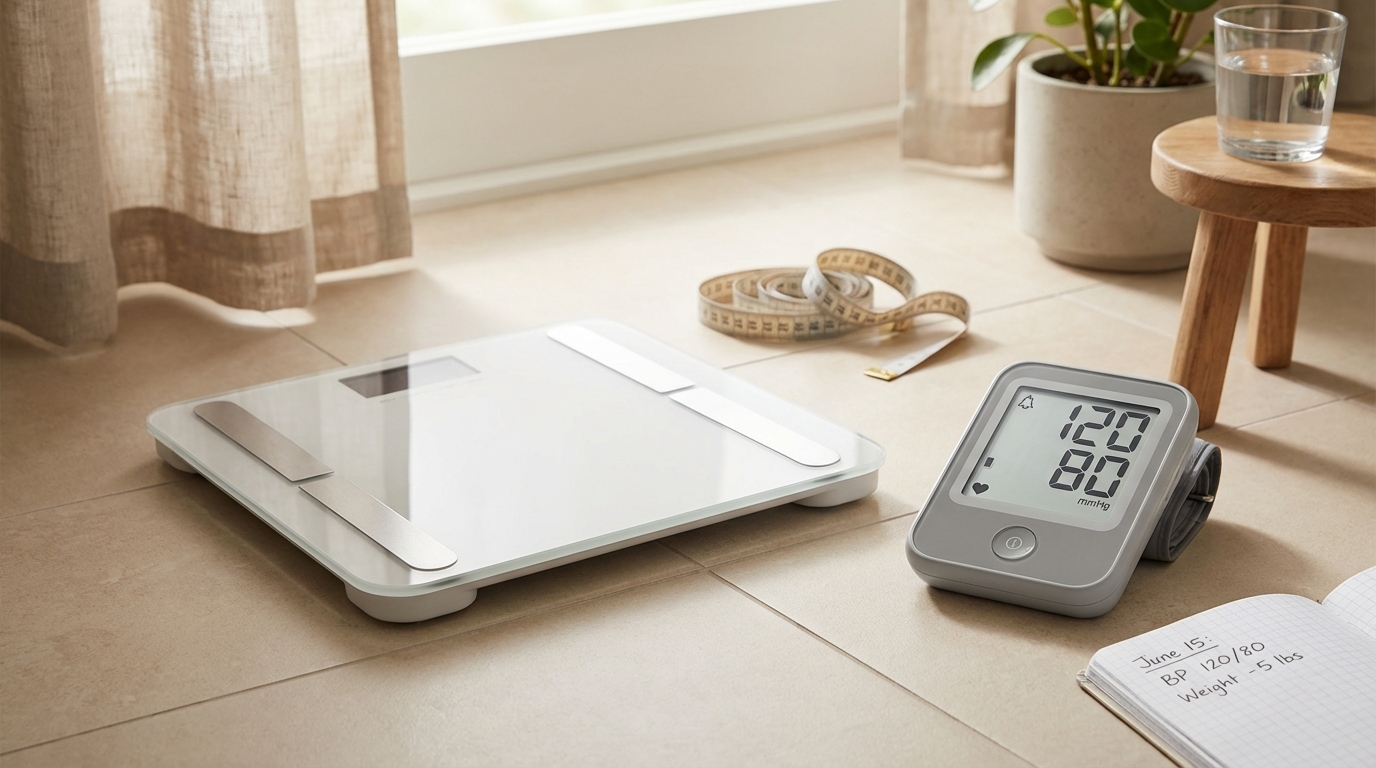
Tracking both weight and blood pressure throughout your weight loss journey helps you see progress and stay motivated. Here are best practices:
Blood Pressure Monitoring
- Use a validated home blood pressure monitor
- Measure at the same time each day (morning before breakfast is ideal)
- Sit quietly for 5 minutes before measuring
- Avoid caffeine, exercise, and smoking for at least 30 minutes before
- Take 2-3 readings and record the average
- Log readings weekly in an app like Cardilog to track trends
Weight Tracking
- Weigh yourself at the same time each day (first thing in the morning after using the bathroom)
- Use the same scale in the same location
- Track weekly averages rather than daily fluctuations (daily weight can vary by 1-2 kg due to water retention)
- Take body measurements (waist circumference) monthly, as muscle gain can mask fat loss on the scale
Expect to see blood pressure improvements before you hit your goal weight. Even small reductions (2-3 kg) can produce measurable cardiovascular benefits.
Special Considerations: GLP-1 Medications and Blood Pressure
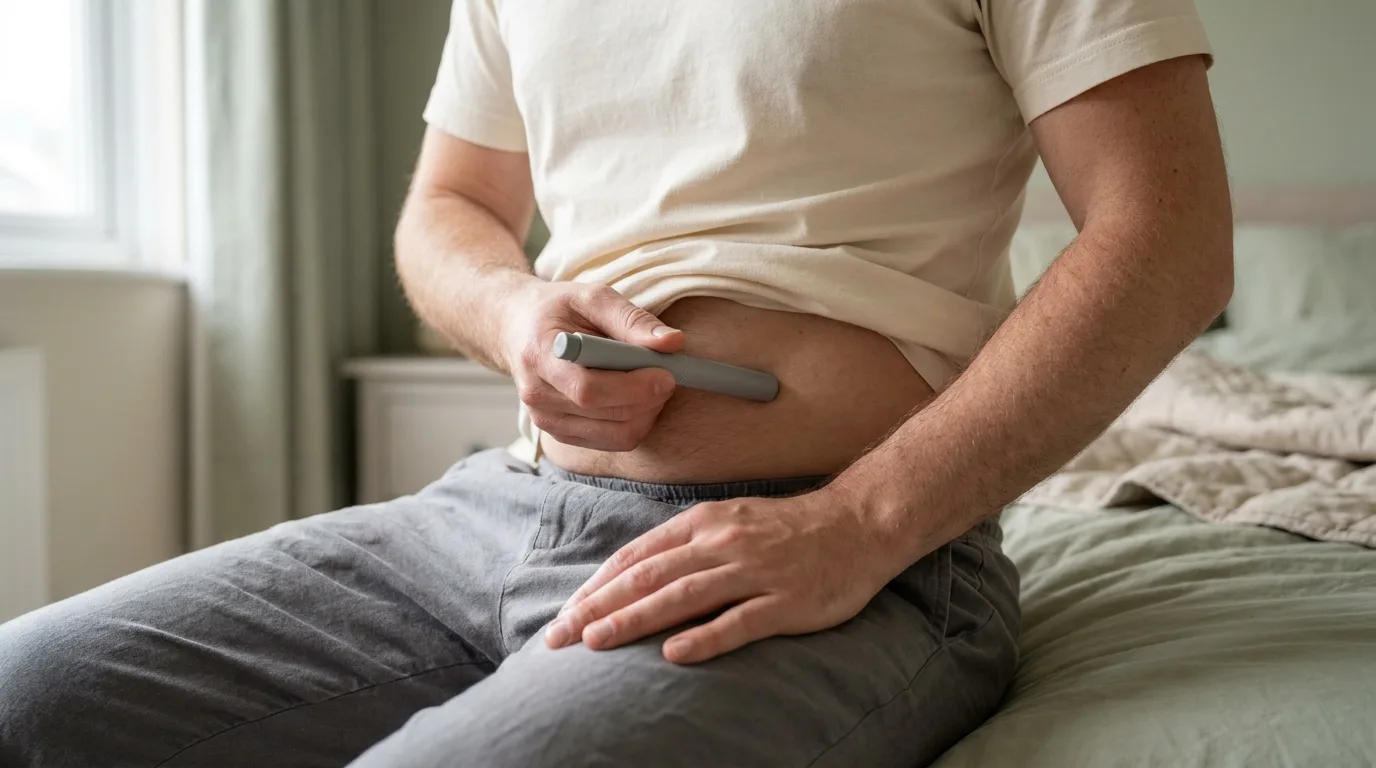
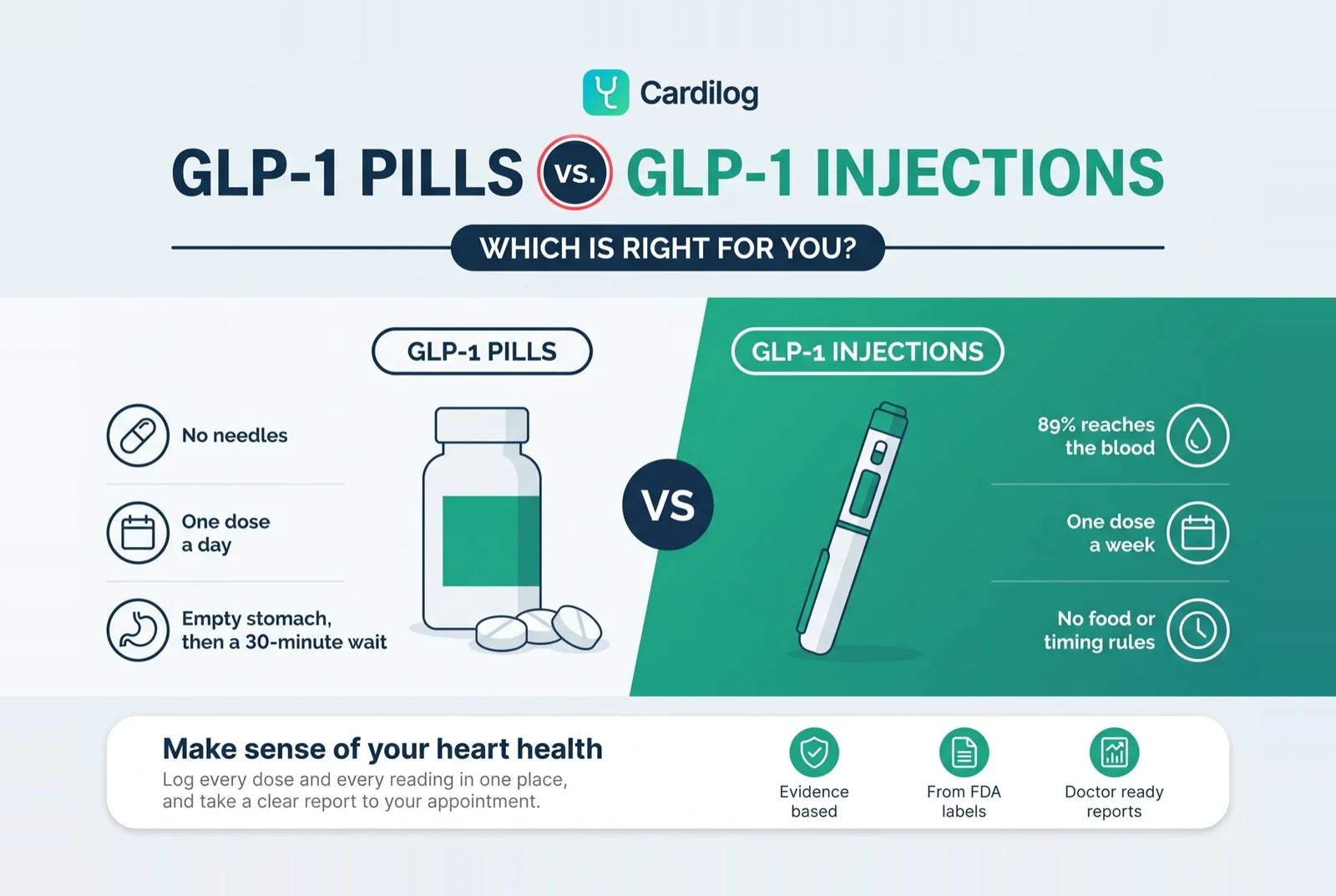
GLP-1 receptor agonists like Ozempic and Wegovy (semaglutide) and Mounjaro and Zepbound (tirzepatide) have become popular weight loss tools, and they lower blood pressure as well. Most of that benefit comes from the weight loss itself, with a smaller share from the drugs helping the kidneys clear sodium and improving how blood vessels relax.
Across the class, systolic blood pressure falls by roughly 2 to 5 mmHg, according to a 2026 review in the American Journal of Hypertension, and tirzepatide sits at the higher end of that range. Our guide to GLP-1 medications and blood pressure compares each drug and explains why the published figures are not all measured the same way.
If you are considering GLP-1 medications, discuss with your doctor how they might fit into your overall blood pressure management strategy.
Realistic Expectations: How Much Weight Should You Aim to Lose?
Setting realistic goals improves long-term success. Here is a framework based on evidence:
Initial Goal: 5-10% of Body Weight
This is the sweet spot for cardiovascular benefits. For someone who weighs 90 kg (198 lbs), that means aiming for 4.5-9 kg (10-20 lbs) over 3-6 months. This is achievable through a combination of dietary changes and increased physical activity.
Rate of Loss: 0.5-1 kg Per Week
Losing 0.5-1 kg (1-2 lbs) per week is sustainable and minimizes muscle loss. This requires a calorie deficit of approximately 500-1,000 calories per day, achieved through a combination of eating less and moving more.
Maintenance: The Real Challenge
Research shows that about 80% of people who lose weight regain it within 5 years. The most successful weight loss maintainers share common habits:
- Continued self-monitoring (tracking food intake and weight)
- Regular physical activity (at least 200-300 minutes per week)
- Eating breakfast daily
- Limiting screen time
- Consistent eating patterns (not binge-restrict cycles)
Focus on building sustainable habits rather than relying on willpower alone. Small, consistent changes compound over time.
Final Takeaways
Weight loss is one of the most powerful tools for managing blood pressure. The evidence is clear: every kilogram of weight lost reduces blood pressure by approximately 1 mmHg, and even modest weight reductions of 5-10% produce clinically meaningful improvements in cardiovascular health.
The most effective approach combines dietary changes (especially the DASH or Mediterranean diet), regular physical activity, sodium restriction, and behavioral strategies for long-term maintenance. While results vary by individual, most people start seeing blood pressure improvements within 4-8 weeks of sustained weight loss.
If you are taking blood pressure medication, continue monitoring your readings throughout your weight loss journey and work with your doctor to adjust medications as needed. Never stop taking prescribed medications without medical supervision.
Ready to start tracking your blood pressure during your weight loss journey? Cardilog makes it easy to log daily readings, visualize trends, and share data with your healthcare team. Small changes today lead to lasting cardiovascular health tomorrow.