
What is low blood pressure (hypotension)?
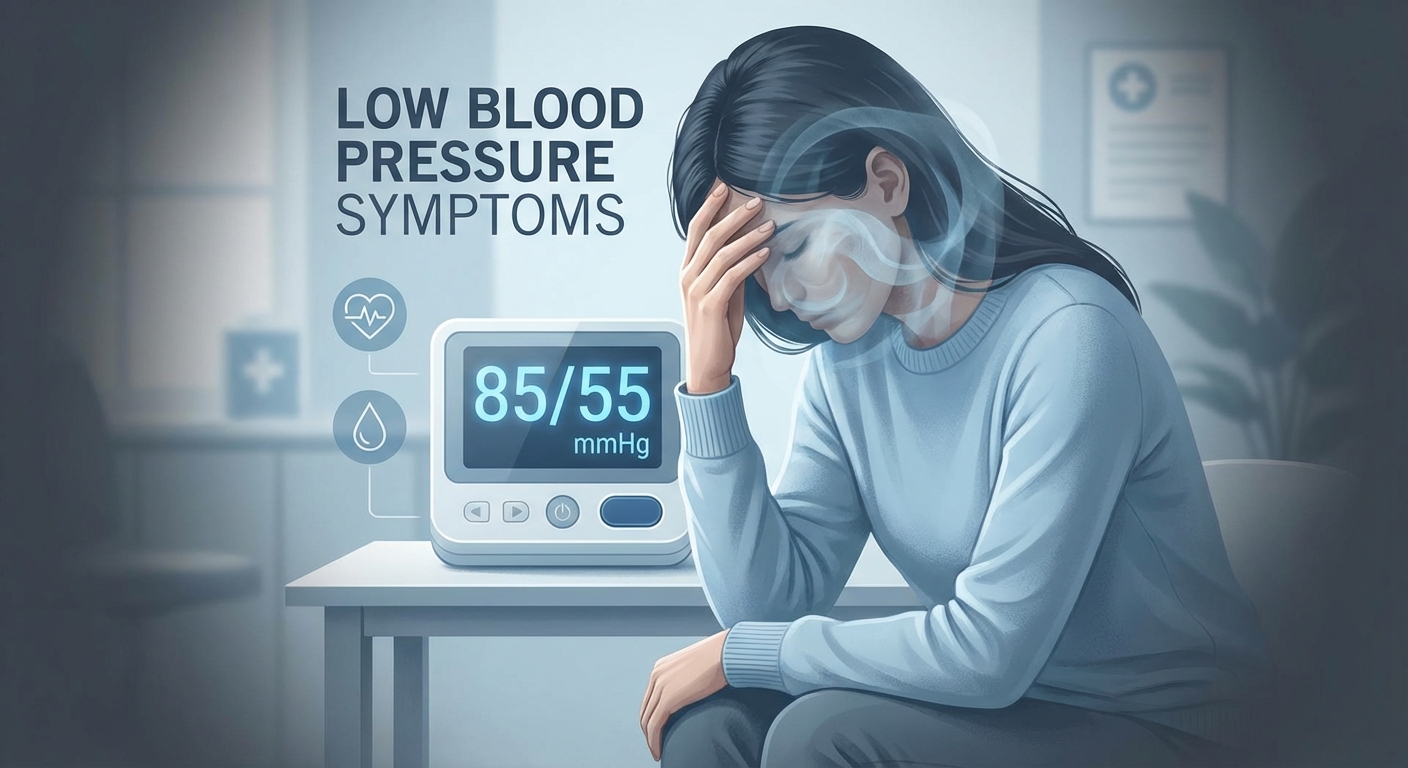
Low blood pressure, or hypotension, is generally defined as a reading below 90/60 mmHg. But this threshold is not absolute. Some people naturally have lower blood pressure and feel perfectly fine, while others develop symptoms at readings that would be considered normal for someone else.
Low blood pressure only becomes a medical concern when it causes symptoms or when it drops suddenly. A healthy young adult with a resting blood pressure of 95/60 who feels energetic is not in danger. But a 70-year-old whose blood pressure drops from 140/85 to 100/60 after standing may be at serious risk of falling.
| Blood Pressure Range | Classification | Typical Action |
|---|---|---|
| Below 70/40 mmHg | Critically low | Emergency medical care |
| 70/40 to 90/60 mmHg | Low | Medical evaluation if symptomatic |
| 90/60 to 100/65 mmHg | Borderline low | Monitor and track patterns |
| 100/65 to 120/80 mmHg | Normal | No action needed |
Normal vs concerning low BP
Symptoms of low blood pressure
Symptoms occur when blood flow to the brain and other organs falls below what is needed for normal function. The severity depends on how low blood pressure drops, how quickly it drops, and your individual tolerance.
- Dizziness or lightheadedness: The most common symptom, caused by reduced blood flow to the brain. Often worst when standing up quickly.
- Blurred or tunnel vision: Occurs when blood supply to the eyes temporarily decreases.
- Nausea: Reduced blood flow to the digestive system can trigger nausea and a feeling of being unwell.
- Fatigue and weakness: Chronic low blood pressure can cause persistent tiredness as your body works harder to maintain circulation.
- Cold, clammy, or pale skin: When blood pressure drops, your body redirects blood away from the skin to protect vital organs.
- Rapid, shallow breathing: Your body tries to compensate for reduced oxygen delivery by increasing breathing rate.
- Fainting (syncope): If blood pressure drops too low for the brain to function, you may lose consciousness briefly.
- Confusion or difficulty concentrating: Reduced blood flow to the brain impairs cognitive function.
Symptom severity levels
| Severity | Symptoms | BP Range | Action |
|---|---|---|---|
| Mild | Brief dizziness when standing, mild fatigue, occasional lightheadedness | 85-95 / 55-65 mmHg | Monitor symptoms; mention to doctor at next visit |
| Moderate | Frequent dizziness, blurred vision, persistent fatigue, cold or clammy skin | 75-85 / 50-55 mmHg | See your doctor within 1-2 days |
| Severe | Fainting, confusion, rapid weak pulse (over 100 bpm), chest discomfort | 70-75 / 45-50 mmHg or sudden drop of 20+ mmHg | Seek medical attention within hours |
| Critical / Shock | Altered consciousness, loss of consciousness, blue lips, inability to stand | Below 70/45 mmHg or rapidly falling | Call 000 immediately |
Types of hypotension
Orthostatic hypotension is the most common type. Blood pressure drops within three minutes of standing up, typically by 20 mmHg systolic or more. It affects up to 20% of adults over 65 and is often triggered by medications, dehydration, or autonomic neuropathy.
Postprandial hypotension occurs 1-2 hours after eating, when blood diverts to the digestive system. It is most common in elderly people and those with Parkinson disease. Eating smaller, more frequent meals helps prevent it.
Neurally mediated hypotension (vasovagal syncope) happens when the vagus nerve overreacts to triggers like prolonged standing, heat, emotional stress, or the sight of blood. It is the most common cause of fainting in younger adults.
What causes low blood pressure?
Medical causes
Heart conditions are among the most serious causes. Heart failure, bradycardia (abnormally slow heart rate), heart valve problems, and heart attack can all reduce cardiac output and cause dangerously low blood pressure.
Endocrine disorders including adrenal insufficiency (Addison disease), hypothyroidism, diabetes, and parathyroid disease can disrupt the hormonal systems that regulate blood pressure.
Severe infections (sepsis) cause blood vessels to dilate dramatically, dropping blood pressure to dangerous levels. Septic shock carries a 30-40% mortality rate and requires immediate hospital treatment with IV antibiotics and vasopressors.
Anaphylaxis (severe allergic reaction) causes sudden, life-threatening blood pressure drops. It requires immediate treatment with epinephrine (adrenaline).
Medications that cause low blood pressure
| Medication Class | Examples | How It Lowers BP |
|---|---|---|
| Blood pressure drugs | Lisinopril, amlodipine, losartan | Designed to lower BP; may over-treat |
| Diuretics | Hydrochlorothiazide, furosemide | Reduces blood volume through urine |
| Beta blockers | Metoprolol, atenolol | Slows heart rate and reduces output |
| Antidepressants | SSRIs, tricyclics, MAOIs | Affects autonomic nervous system regulation |
| Alpha blockers | Tamsulosin, prazosin | Relaxes blood vessel walls |
| ED medications | Sildenafil (Viagra), tadalafil | Dilates blood vessels; dangerous with nitrates |
| Parkinson drugs | Levodopa, dopamine agonists | Affects autonomic blood pressure control |
| Opioid painkillers | Oxycodone, morphine | Depresses cardiovascular centre in brainstem |
Never stop medications without medical advice
Lifestyle and environmental causes
- Dehydration: The most common preventable cause. Hot weather, vomiting, diarrhoea, excessive caffeine and alcohol, and insufficient water intake all reduce blood volume.
- Nutritional deficiencies: Low levels of vitamin B12, folate, and iron can cause anaemia, which reduces the blood's oxygen-carrying capacity and lowers blood pressure.
- Prolonged bed rest: Extended immobility causes cardiovascular deconditioning, making orthostatic hypotension common when patients first start moving again.
- Heat exposure: Hot weather, saunas, and hot showers cause blood vessels to dilate, which can drop blood pressure significantly.
When is low blood pressure dangerous?
Danger depends on both the numbers and the symptoms. A person with a chronically low reading of 85/55 who feels fine is not in danger. But a sudden drop from 130/80 to 85/55 with dizziness and confusion is an emergency.
Danger thresholds by age and gender
| Group | Concerning (Systolic) | Dangerous (Systolic) | Primary Risk |
|---|---|---|---|
| Women | Below 85 mmHg with symptoms | Below 70 mmHg | Fainting, injury from falls |
| Men | Below 90 mmHg with symptoms | Below 75 mmHg | Falls, organ hypoperfusion |
| Adults 18-40 | Below 90 mmHg | Below 70 mmHg | Fainting, injury from falls |
| Adults 40-65 | Below 95 mmHg | Below 75 mmHg | Dizziness, organ hypoperfusion |
| Over 65 | Below 100 mmHg | Below 85 mmHg | Falls, cognitive impairment, mortality |
| Pregnant women | Below 90 mmHg | Below 80/50 mmHg | Falls, reduced placental blood flow |
Low BP in elderly: higher danger thresholds
Types of shock
Shock occurs when blood pressure drops so low that organs cannot get enough blood to function. It is always a medical emergency.
| Type | Cause | Key Symptoms |
|---|---|---|
| Hypovolemic | Blood loss or severe dehydration | Thirst, rapid pulse, cold skin, reduced urine |
| Cardiogenic | Heart failure or heart attack | Chest pain, shortness of breath, swollen ankles |
| Septic | Severe infection | Fever or very low temperature, confusion, rapid breathing |
| Anaphylactic | Severe allergic reaction | Hives, swelling, difficulty breathing, throat tightness |
| Neurogenic | Spinal cord injury | Slow pulse (unusually), warm dry skin below injury |
Call 000 immediately if you see these signs
Low blood pressure and high heart rate
When blood pressure falls, your body compensates by speeding up the heart. This is called compensatory tachycardia. Baroreceptors in your arteries detect the pressure drop and signal your brain to increase heart rate to maintain blood flow to vital organs.
A heart rate above 100 bpm combined with blood pressure below 90/60 mmHg can indicate dehydration, blood loss, sepsis, heart conditions, medication side effects, or POTS (Postural Orthostatic Tachycardia Syndrome).
POTS (Postural Orthostatic Tachycardia Syndrome)
POTS causes heart rate to jump by 30+ bpm within 10 minutes of standing, often with blood pressure instability. Symptoms include dizziness, palpitations, fatigue, brain fog, and exercise intolerance. It most commonly affects women aged 15-50 and is managed with increased salt (8-10 grams per day), fluids, compression garments, and graduated exercise.
| Pattern | Likely Cause | Action |
|---|---|---|
| Low BP + confusion or altered consciousness | Shock, sepsis, severe blood loss | Call 000 immediately |
| Chest pain + low BP + rapid pulse | Heart attack, cardiac tamponade | Call 000 immediately |
| Low BP + rapid pulse after new medication | Medication side effect | Contact doctor same day |
| Frequent dizziness + racing heart on standing | Orthostatic hypotension, POTS | Schedule doctor appointment |
Low blood pressure in pregnancy
Blood pressure naturally drops during pregnancy, especially in the second trimester. Progesterone relaxes blood vessel walls, and blood volume increases by 40-50% to supply the placenta. This combination typically lowers systolic blood pressure by 5-10 mmHg.
| Trimester | Typical Systolic | Typical Diastolic | What Happens |
|---|---|---|---|
| Pre-pregnancy baseline | 110-120 mmHg | 70-80 mmHg | Your normal resting blood pressure before conception |
| First trimester | 110-120 mmHg | 70-80 mmHg | Blood pressure similar to baseline or slightly lower |
| Second trimester | 100-115 mmHg | 60-75 mmHg | BP drops 5-10 mmHg as blood vessels relax; lowest point |
| Third trimester | 110-120 mmHg | 70-80 mmHg | BP gradually returns toward pre-pregnancy levels |
When to call your doctor or midwife
Managing low BP in pregnancy: Stay hydrated with 8-10 glasses of water daily, eat small frequent meals, stand up slowly in stages, sleep on your left side to avoid compressing the inferior vena cava, wear 15-20 mmHg compression stockings, and avoid prolonged hot showers. Blood pressure usually returns to pre-pregnancy levels within weeks of delivery.
How to raise low blood pressure
Natural approaches
| Intervention | Effect | Speed | Best For |
|---|---|---|---|
| Drink 500 ml water | +10-20 mmHg | 15-30 minutes | Orthostatic hypotension, dehydration |
| Increase salt intake | +5-10 mmHg | Days to weeks | People with low sodium, not heart failure |
| Compression stockings | +5-10 mmHg | Immediate while worn | Orthostatic hypotension, prolonged standing |
| Small frequent meals | Prevents drops | Within days | Postprandial hypotension |
| Caffeine (coffee/tea) | +3-10 mmHg | 15-30 minutes | Morning hypotension, occasional use |
| Raise head of bed 10-15 cm | Prevents overnight drops | First night | Morning dizziness on waking |
- Increase salt intake carefully: Add salted nuts, pretzels, olives, cheese, and soy sauce to your diet. Only do this under medical guidance if you have heart failure or kidney disease.
- Drink 2-3 litres of water daily: Drink a full glass before getting out of bed. Carry water and sip throughout the day. Increase fluids during hot weather or after sweating.
- Wear compression stockings: Choose thigh-high or waist-high with 15-30 mmHg compression. Put them on before getting out of bed.
- Eat small, frequent meals: Eat 5-6 small meals instead of 3 large ones. Include protein and healthy fats with each meal to slow digestion.
- Change positions slowly: Sit on the edge of the bed for 1-2 minutes before standing. Pump your legs and flex calf muscles. Cross legs when sitting or standing to boost venous return.
- Use caffeine strategically: A cup of coffee can boost BP by 3-10 mmHg. Tolerance develops quickly, so save it for when you need it most.
Medical treatments
When lifestyle measures are not enough, doctors may prescribe fludrocortisone (increases blood volume by retaining sodium), midodrine (constricts blood vessels, raises BP by 15-30 mmHg in 30-60 minutes), droxidopa (converts to noradrenaline, used for neurogenic orthostatic hypotension), or pyridostigmine (improves autonomic nervous system function).
Treating the underlying cause
Foods that help raise low blood pressure
Foods to eat
- Salty foods: Salted nuts, olives, pickles, cottage cheese, feta, canned soups, deli meats, pretzels, soy sauce, and miso.
- Fluids: 8-10 glasses of water daily. Broth, electrolyte drinks, and hydrating foods like watermelon and cucumber.
- Caffeine: 1-2 cups of coffee or tea when symptoms occur. Effect lasts 3-4 hours.
- Vitamin B12 sources: Eggs, meat, fish, shellfish, milk, fortified cereals, and nutritional yeast.
- Folate sources: Dark leafy greens, broccoli, asparagus, lentils, chickpeas, avocado, and liver.
- Iron sources: Red meat, poultry, fish, beans, lentils, tofu, fortified cereals, pumpkin seeds, and dark chocolate.
Foods to limit or avoid
- Alcohol: Dehydrates the body and dilates blood vessels, worsening hypotension.
- Large carb-heavy meals: Divert blood to the digestive system, causing postprandial drops.
- Beetroot juice and hibiscus tea: These lower blood pressure and can worsen hypotension.
- Licorice root: While it can raise BP, it is dangerous in uncontrolled doses. It can cause dangerously high BP, low potassium, and interacts with many medications. Never use without medical supervision.
Sample daily meal plan
Breakfast: Scrambled eggs with cheese, whole grain toast with salted butter, orange juice, coffee or tea.
Morning snack: Handful of salted almonds, glass of water.
Lunch: Chicken and vegetable soup with broth, small spinach salad with feta cheese, whole grain crackers.
Afternoon snack: Cottage cheese with cucumber slices, a few olives, water.
Dinner: Grilled salmon, steamed broccoli and asparagus, small portion of brown rice, water.
Evening snack: Fortified cereal with milk or a small serving of salted nuts.
When to see a doctor
| Situation | Symptoms | Action |
|---|---|---|
| Routine appointment | Occasional mild dizziness when standing, fatigue | Mention at your next scheduled visit |
| Same-day appointment | Frequent dizziness, new symptoms after medication change, persistent fatigue | Call your doctor today |
| Urgent care / ED | Fainting with slow recovery, blood pressure consistently below 80/50 mmHg | Go to urgent care or emergency department |
| Call 000 immediately | Loss of consciousness, confusion, cold clammy skin, chest pain, signs of shock | Call emergency services without delay |
If your symptoms sit in the first two rows and the hard part is getting an appointment, you can request a consult with a cardiologist and talk through your readings, your medications, and how the symptoms behave when you stand. The bottom two rows need to be seen in person.
Diagnostic tests your doctor may order
- Orthostatic vital signs: Blood pressure and heart rate measured lying down, sitting, and standing to detect orthostatic drops.
- Blood tests: Complete blood count (anaemia), electrolytes (dehydration), thyroid function, cortisol levels, B12 and folate.
- Electrocardiogram (ECG): Records heart rhythm and rate to identify bradycardia, arrhythmias, or conduction problems.
- Echocardiogram: Ultrasound of the heart to assess valve function, heart muscle strength, and structural problems.
- Tilt table test: Used to diagnose vasovagal syncope and POTS by monitoring BP and heart rate responses to controlled position changes.
The bottom line
Low blood pressure is common and usually harmless. It only needs attention when it causes symptoms that affect your daily life or when it drops suddenly enough to indicate a serious underlying condition.
Most people can manage mild hypotension with simple lifestyle changes: staying hydrated, adding salt to their diet, wearing compression stockings, eating smaller meals more frequently, and changing positions slowly. When these measures are not enough, medications like fludrocortisone and midodrine can help.
Track your blood pressure at different times of day and in different positions to identify patterns. Share these readings with your doctor so they can tailor treatment to your specific type of hypotension. If you ever experience confusion, chest pain, fainting, or signs of shock, seek emergency care immediately.