
Blood pressure does not have a different normal range for women than it does for men. The target is the same for every adult: below 120/80 mmHg. But the way blood pressure behaves across a woman's life, and the conditions that threaten it, are distinct enough to deserve their own attention.
From the protective effects of estrogen in early adulthood to the cardiovascular shifts that come with pregnancy, hormonal contraception, and menopause, women navigate a different set of blood pressure risks than men. Understanding those risks is the first step to staying ahead of them.
What Is a Normal Blood Pressure for Women?
The American Heart Association does not set gender-specific blood pressure targets. Normal blood pressure for women is the same as it is for men: below 120/80 mmHg. The categories are:
| Category | Systolic | Diastolic |
|---|---|---|
| Normal | Less than 120 | Less than 80 |
| Elevated | 120 to 129 | Less than 80 |
| Stage 1 Hypertension | 130 to 139 | 80 to 89 |
| Stage 2 Hypertension | 140 or higher | 90 or higher |
| Severe Hypertension (no symptoms) | Higher than 180 | Higher than 120 |
| Hypertensive Emergency (with symptoms) | Higher than 180 | Higher than 120 |
How Blood Pressure Changes Across a Woman's Life
Young Adulthood (20s and 30s)
In young adulthood, women typically have lower blood pressure than men of the same age. Estrogen appears to have a protective effect on blood vessel walls, keeping arteries more elastic and responsive. Average readings for women in their 20s and 30s tend to be around 110-115 systolic, well within the normal range.
This does not mean hypertension cannot develop in young women. Risk factors including obesity, a high-sodium diet, physical inactivity, family history, and hormonal contraception can push readings into the elevated or high range at any age.
Perimenopause and Menopause (40s and 50s)
The hormonal changes of perimenopause and menopause directly affect blood pressure. As estrogen levels decline, the protective cushioning it provided to blood vessel walls diminishes. Many women notice their readings begin to drift upward in their 40s and accelerate through the menopausal transition.
By the time a woman reaches her mid-50s, her blood pressure risk profile is often comparable to or exceeds that of a man the same age. Post-menopausal hypertension is common and requires the same attention and treatment as hypertension in men.
Later Life (60s and Beyond)
Older women have higher rates of hypertension than older men. Isolated systolic hypertension, where the top number is high but the bottom number remains normal, is the most common form of blood pressure elevation in this group and is associated with significant cardiovascular risk.
Research shows that women with untreated hypertension face a higher relative risk of stroke than men with the same condition. Consistent monitoring and treatment are especially important for women in this age group.
Pregnancy and Blood Pressure
Pregnancy causes significant changes in blood pressure that require careful monitoring throughout all three trimesters.
Normal Changes During Pregnancy
In the first and second trimesters, blood pressure typically drops below pre-pregnancy levels as blood volume increases and blood vessels dilate to support the growing placenta. It then gradually rises again in the third trimester, usually returning to pre-pregnancy levels by full term.
Gestational Hypertension
Gestational hypertension is high blood pressure that develops after 20 weeks of pregnancy without signs of organ damage. It resolves after delivery but increases the risk of hypertension later in life.
Preeclampsia
Preeclampsia is a more serious condition characterised by blood pressure above 140/90 mmHg after 20 weeks of pregnancy along with signs of organ damage, usually involving the kidneys. It affects 5-8% of pregnancies and can progress rapidly to life-threatening complications. Symptoms include:
- Severe headaches that do not respond to pain relief
- Visual disturbances including blurred vision or flashing lights
- Sudden swelling in the face, hands, or feet
- Upper abdominal pain, particularly under the ribs on the right side
- Nausea or vomiting in the second half of pregnancy
- Shortness of breath
Hormonal Contraception and Blood Pressure
Combined oral contraceptives (the pill) containing both estrogen and progestogen can raise blood pressure in some women. The effect is usually small, but for women who are already at elevated risk, including those who are overweight, smoke, or have a family history of hypertension, it can be meaningful.
If you take hormonal contraception, having your blood pressure checked before starting and at least annually is good practice. Progestogen-only contraceptives have a much smaller effect on blood pressure and are often preferred for women with hypertension.
How to Monitor Your Blood Pressure as a Woman
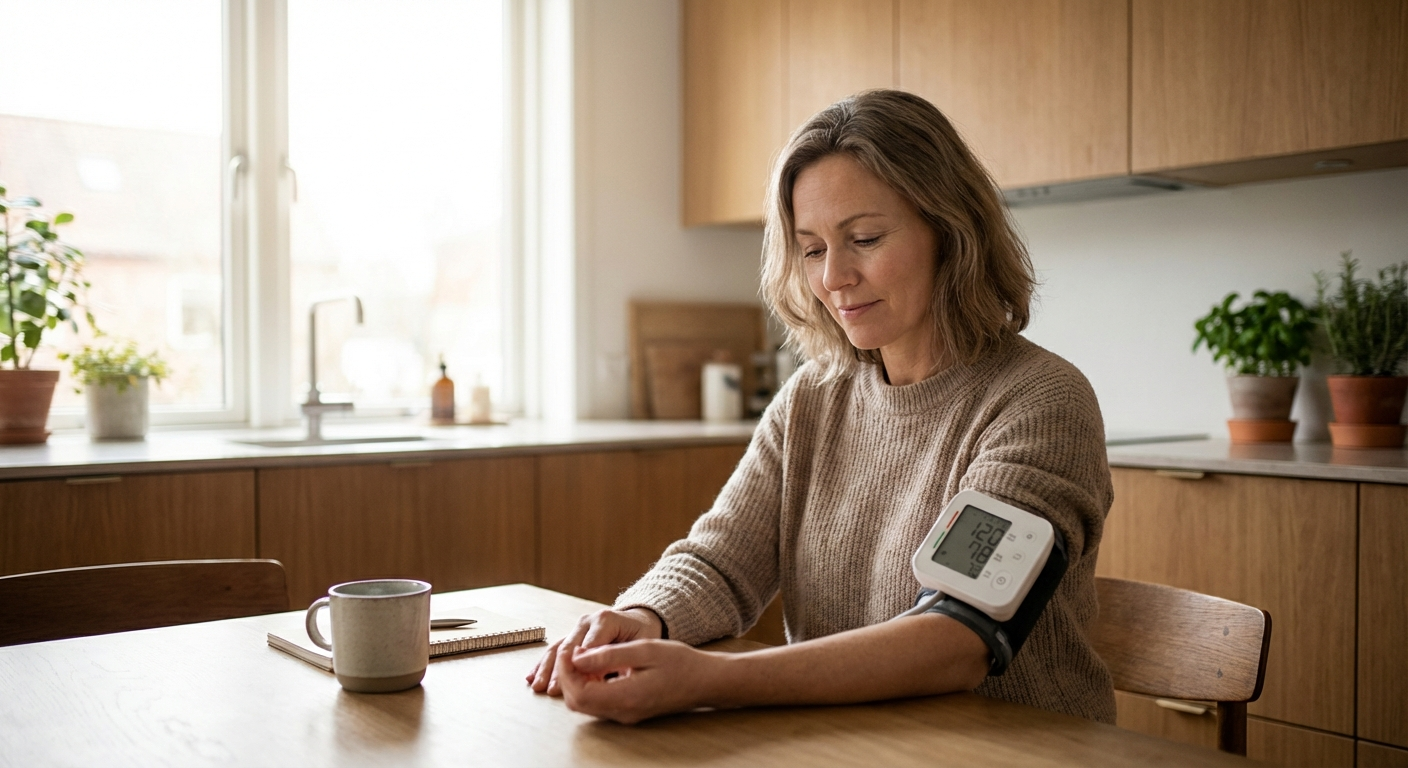
Clinic readings are useful but limited. Many women experience white coat hypertension, where readings are elevated in a clinical setting due to subconscious anxiety. Home monitoring over two to four weeks gives a far more accurate picture of true blood pressure.
Cardilog makes home monitoring simple and meaningful. Log your systolic and diastolic readings with every measurement, set morning and evening reminders, and watch your trends develop over weeks. The Cardilog AI explains what your readings mean in plain language, and the app generates professional PDF reports you can share directly with your doctor, obstetrician, or midwife.
- Take readings at the same time each day for the most comparable data
- Sit quietly for five minutes before measuring
- Measure both arms initially to check for differences
- Record two readings one minute apart and log both
- Note any relevant context: stress, exercise, medication changes, or poor sleep
When to See a Doctor
See your doctor if your readings are consistently at or above 130/80 mmHg. Do not wait for symptoms. Hypertension rarely causes noticeable symptoms until significant damage has occurred.
If a reading is higher than 180/120 mmHg and you have chest pain, shortness of breath, back pain, numbness, weakness, a change in vision or difficulty speaking, call emergency services straight away. If you have no symptoms, wait at least one minute and measure again, and if it is still that high, contact your doctor as soon as possible. Chest pain or signs of a stroke, such as a sudden severe headache, need emergency care whatever your reading is. If you are pregnant, the advice in the pregnancy section above applies from a lower reading of 140/90 mmHg.